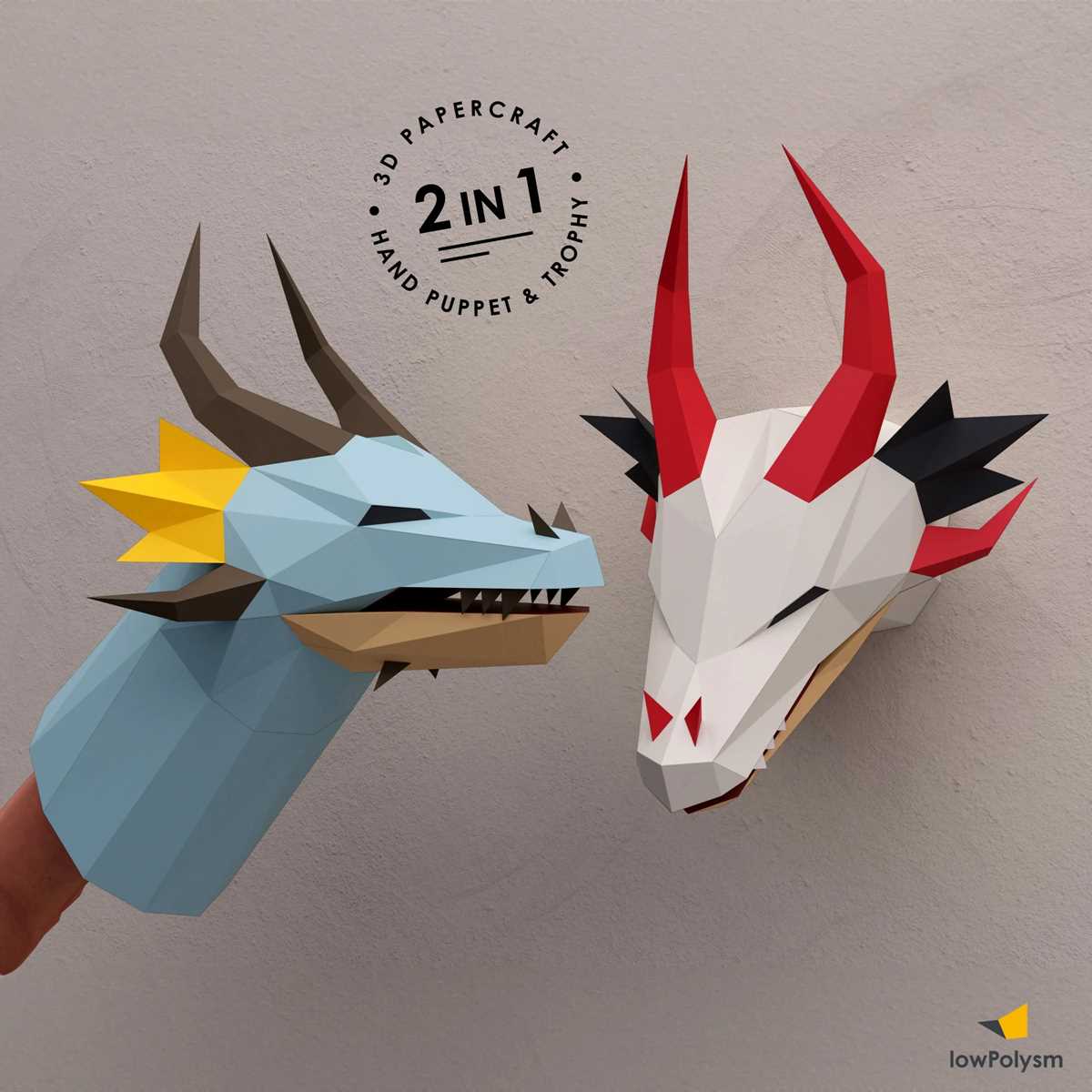
To begin creating your own movable characters, start by selecting simple materials like sturdy cardstock or thick construction paper. Cut them into the desired shapes for the body, limbs, and facial features. Make sure the pieces are large enough for young children to handle, but not so large that they become difficult to manipulate. A good set of shapes for the body might include rectangles or circles for easy assembly and decoration.
Once you’ve cut out the basic shapes, it’s time to assemble your character. Use brads or small split pins to attach the limbs to the body so they can move. This allows children to create lifelike motion and adds an interactive element to their playtime. You can also use glue or double-sided tape for a simpler design, but keep in mind that this might limit movement.
For decoration, encourage children to get creative. Use markers, crayons, or paint to add vibrant colors and features like eyes, noses, and clothing. If your design allows for it, attach accessories such as hats or props to enhance the character’s personality. Not only does this process engage children in an imaginative task, but it also helps them develop fine motor skills and creativity.
Printable Character Model Creation Guide
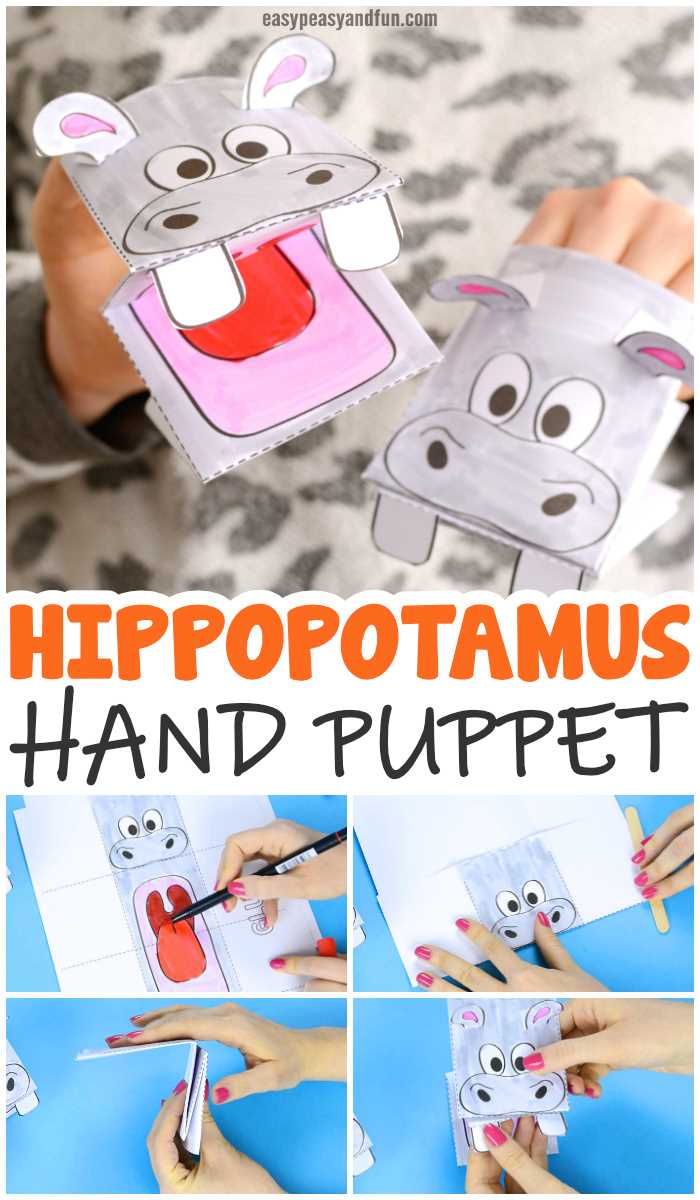
Start by selecting a sturdy material like thick cardstock, which can hold up to frequent handling. Cut out the main body, arms, and legs shapes. Use simple geometric forms such as circles or rectangles for easy assembly. Next, decide on the size of the pieces, ensuring they are large enough for children to manipulate but not so big that they become cumbersome. If you’re using a template, print it directly from your design or source, and ensure the outlines are clear for easy cutting.
After cutting out all the parts, assemble them by attaching the limbs to the body with small brads or paper fasteners, allowing for movement. If you prefer a non-moving model, glue or tape the parts together. Now, decorate the character with colorful markers, crayons, or stickers. Add fun features like eyes, a mouth, or accessories to give the figure personality. Be sure to keep everything secure and well-constructed to avoid any parts falling off during playtime.
How to Choose the Right Materials for Your Craft Figures
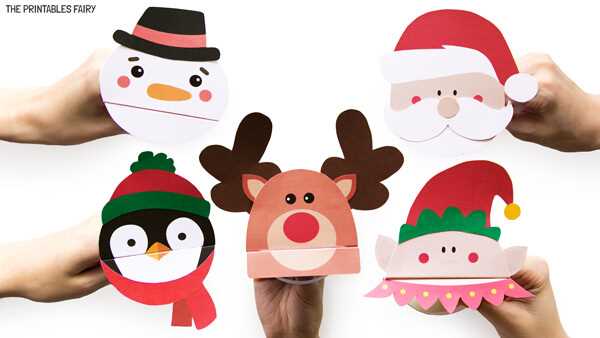
Select a sturdy and flexible material like heavyweight cardstock or craft board. These options ensure durability without compromising the ability to shape or move the figure. A thickness of 180-250 gsm is ideal for models that need to withstand regular handling. You can easily find these materials at craft stores, which offer various colors and textures to suit your needs.
If you’re planning on creating movable parts, consider using a thinner, flexible option like construction paper for the limbs or accessories. This makes it easier to fold and attach elements together without adding too much bulk. It’s also affordable and comes in a variety of bright colors, perfect for creating eye-catching characters.
When it comes to decorating the figures, use non-toxic markers, crayons, or colored pencils for safe, vibrant finishes. Choose products that are easy to apply and don’t smudge or fade quickly. Stickers, glitter, or felt fabric can add texture and a creative touch to enhance the figure’s appearance and make it more engaging for children.
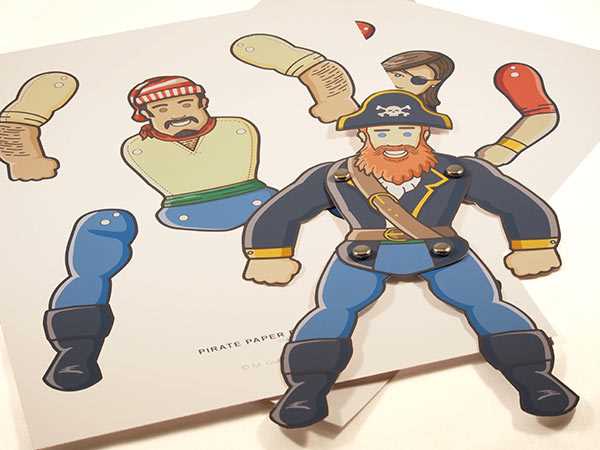
For joints or moving parts, opt for brass fasteners or small clips to allow the limbs to move freely. These are easy to attach, affordable, and durable enough for repeated use. If you prefer a simpler approach, glue or tape can hold the pieces together, though it may limit movement options.
If you want the figures to have more structure or volume, you can use foam sheets or lightweight felt. These materials work well for adding a soft, tactile element while still being easy to cut and assemble. They’re especially useful for creating costumes or accessories that require a bit of padding.
Incorporating decorative elements like googly eyes, fabric scraps, or colored string for hair can bring additional personality to your models. Ensure that the materials you choose are lightweight enough to avoid toppling the figures, yet sturdy enough to withstand handling during playtime.
Lastly, for a more eco-friendly option, recycled materials can be repurposed to create characters. Old cereal boxes, cardboard, or scrap fabric can be upcycled into creative designs. This not only saves on costs but also reduces waste while teaching children the value of recycling and sustainability.