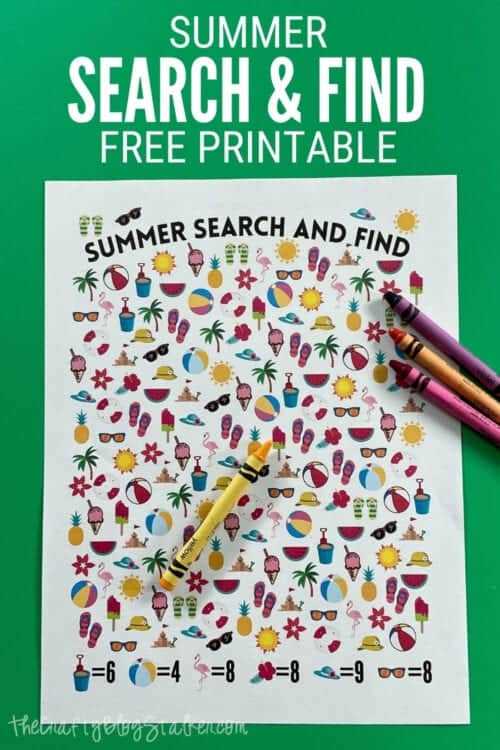
Choose hidden-object worksheets with clear black outlines and moderate detail so children can complete each task without frustration. Sheets that contain 8–15 items to locate usually keep attention longer than overcrowded scenes.
Check file quality before downloading. High-resolution PDFs sized for A4 or US Letter prevent blurry prints and reduce ink waste. Look for activity sets grouped by age level, since early learners benefit from larger objects and wider spacing between elements.
Limit each session to about 10 minutes and provide a pencil or dry-erase marker for circling found items. Regular weekly practice often leads to stronger visual scanning, longer focus time, and faster object recognition within four to six weeks.
Printable Picture Search Puzzles With Hidden Objects for Kids
Choose hidden-item worksheets that display objects at varying sizes so children practice both quick spotting and careful scanning. Sheets that mix large and small targets build stronger visual tracking than uniform layouts.
Keep the background simple. Scenes with heavy shading or dense patterns slow recognition and frustrate early learners. Clean white space between objects helps the eyes move smoothly across the sheet.
Introduce a simple scanning method: teach the child to move left to right and top to bottom rather than jumping randomly. This structured approach often reduces missed items within the first few sessions.
Limit each activity round to one sheet at a time. Offering multiple worksheets at once splits attention and lowers completion rates, especially for children under seven.
Adjust the challenge by changing the number of targets. Beginners do well with 6–10 items, while older kids can manage 18–25 without losing accuracy.
Use a light pencil circle instead of heavy coloring when marking found objects. Thick marks can hide nearby shapes and make final checking difficult.
Introduce themed sets such as animals, classroom scenes, or holiday layouts every one to two weeks. Fresh visuals keep interest steady and prevent pattern memorization.
Track progress by noting completion time and accuracy once per month. Many children show quicker scanning speed and better visual attention after several weeks of consistent practice.
Where to Download High Quality Picture Search Sheets for Kids
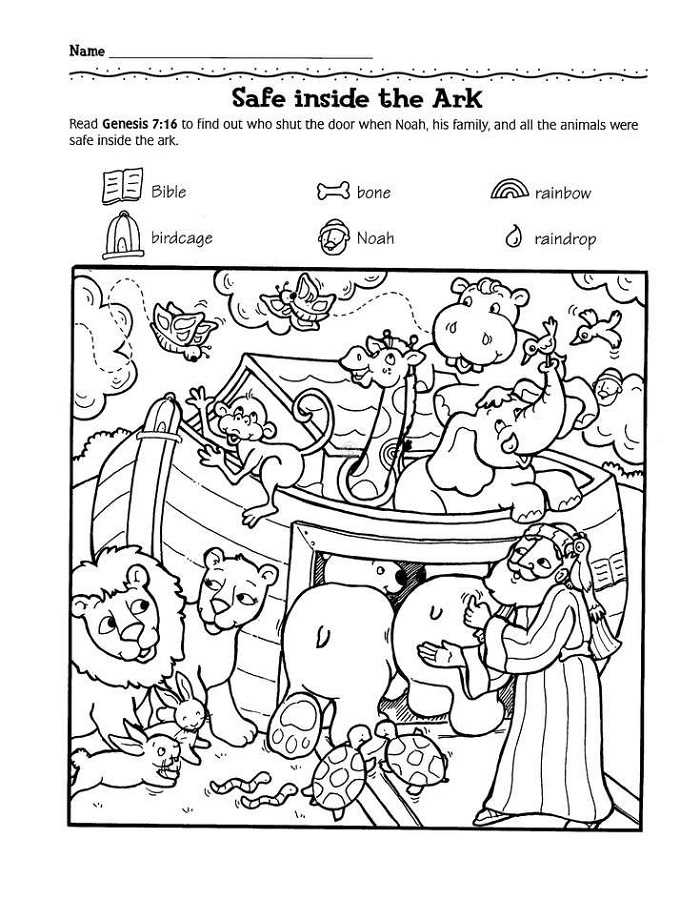
Choose trusted educational platforms that provide high-resolution hidden-object worksheets with clear line art and age labels. Files sized at 300 DPI or higher produce clean results on home printers and prevent blurry details that frustrate children. Prioritize resources that include answer keys and difficulty ratings.
Reliable sources include well-known teacher marketplaces and children’s activity libraries. These platforms usually allow filtering by age group, theme, and complexity level, which saves time and avoids random low-quality files.
- Teacher resource marketplaces – large collections created by educators; many offer free samples.
- Kids activity websites – often organized by holidays, animals, or skill level.
- Homeschool blogs – smaller collections but frequently well-tested with real children.
- Educational publishers – fewer free options but consistently sharp artwork.
Before downloading, inspect the preview carefully. Look for crisp outlines, balanced spacing between objects, and uncluttered backgrounds. Overcrowded scenes overwhelm younger kids, while overly simple pages bore older ones. A good sheet usually contains 10–25 hidden items for ages 5–7 and 25–40 for ages 8–10.
Use these quick quality checks:
- Zoom the preview to confirm lines remain sharp.
- Check file format – PDF is preferred for consistent scaling.
- Confirm page size (US Letter or A4) matches your printer.
- Verify whether answers are included on a separate page.
- Read user reviews when available.
For free options, filter by “personal use” or “classroom use” licenses. Many creators allow no-cost downloads but restrict resale or redistribution. Paid bundles often cost between $2 and $6 and usually provide themed sets that keep children engaged longer.
If you plan frequent printing, download black-and-white versions rather than color files. They use less ink and allow kids to color the scenes after completing the hidden-item task, extending activity time without extra materials.
Bookmark two or three dependable sources instead of collecting random files. A small curated library of sharp, well-designed worksheets saves preparation time and produces consistently better results for children’s focus and enjoyment.