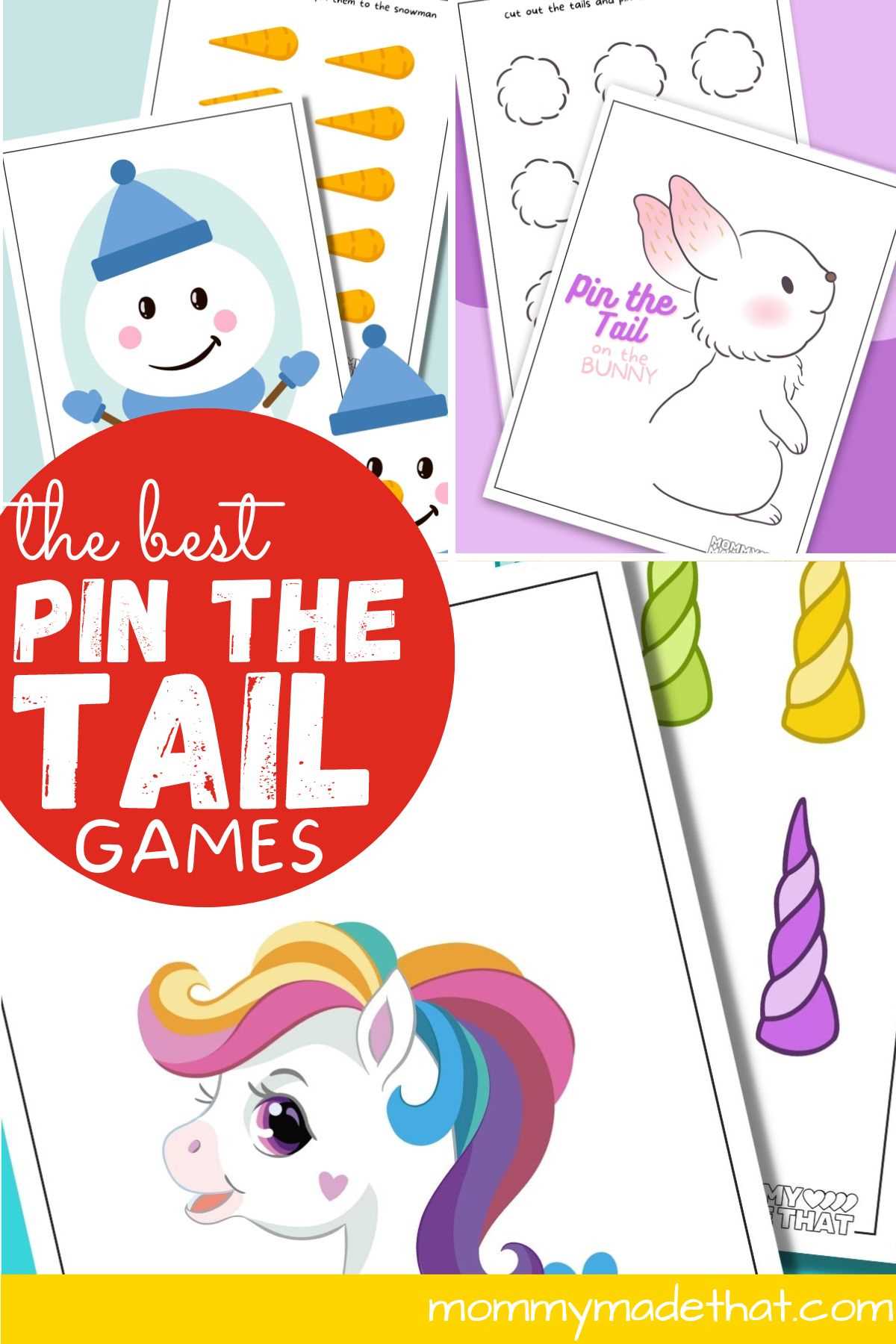
Choose sturdy cardstock and large-format sheets for animal poster creation; A3 size supports group play while A4 suits small gatherings. Pre-cut attachable parts using rounded edges to reduce tearing during repeated use.
Wall placement at child eye level improves reach accuracy and keeps movement controlled. Use removable adhesive or painter tape to protect surfaces and allow quick repositioning between rounds.
Blindfold alternatives such as paper crowns or fabric bands work well for younger players who resist covered eyes. Rotation turns every 20–30 seconds keeps activity flowing without long waits.
Score tracking with numbered stickers placed near correct target zone adds structure without slowing play. Multiple target outlines increase replay value across mixed age groups.
How to prepare and assemble animal poster and attachable parts
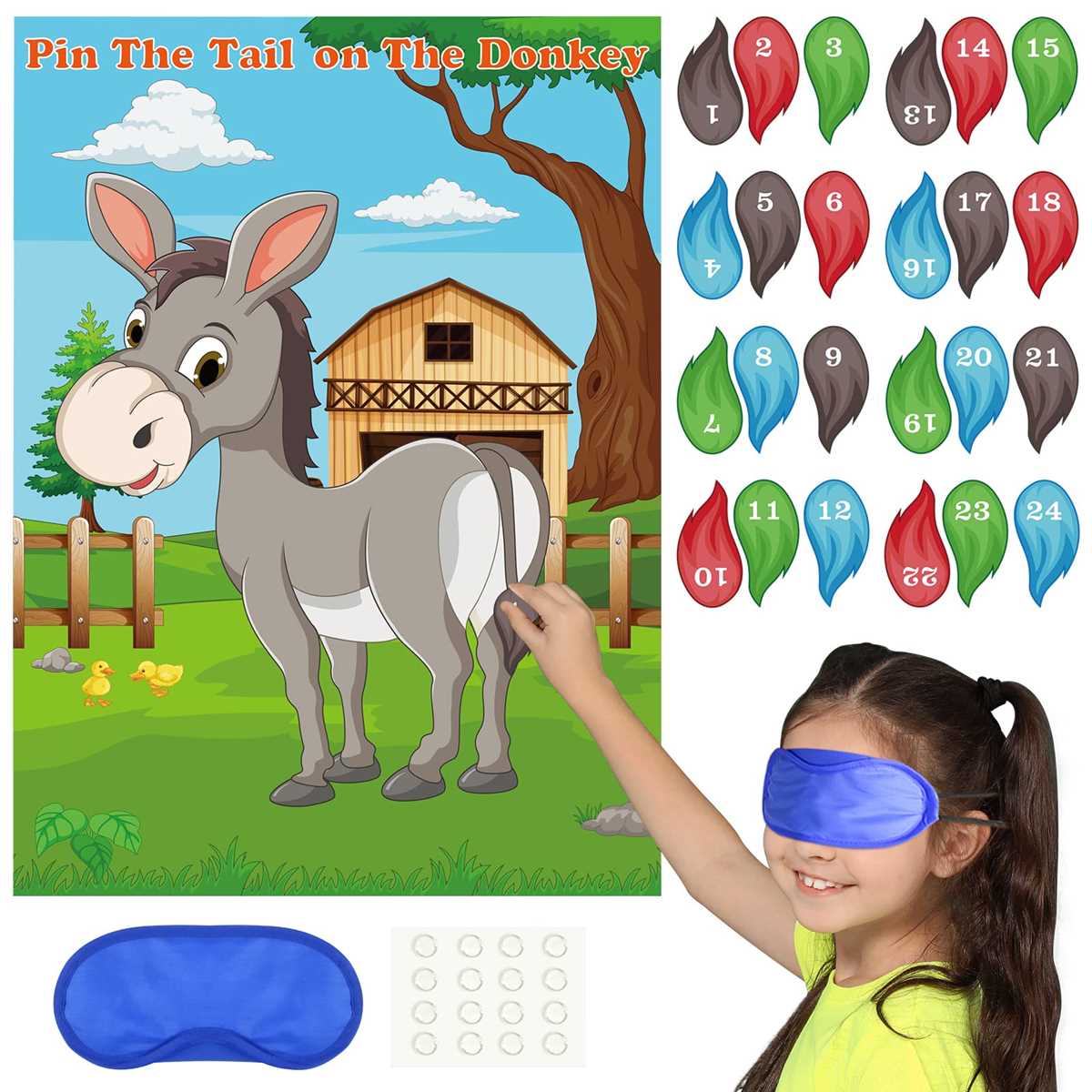
Use thick matte paper or 200–250 gsm cardstock for animal artwork; this weight resists bending during repeated handling. Choose A3 for group play or A4 for limited space, then trim white margins for cleaner wall placement.
Cut attachable parts with rounded corners using scissors or craft knife, then reinforce connection points with transparent tape. Apply reusable adhesive dots or hook fasteners on reverse side to allow repeated placement without surface damage.
| Material type | Recommended size | Purpose |
|---|---|---|
| Cardstock sheet | A3 or A4 | Main animal artwork |
| Reusable adhesive | 10–15 mm dots | Part attachment |
| Painter tape | 25 mm width | Wall mounting |
Rules and setup options for different group sizes and ages
Place animal poster at shoulder height for youngest participants and raise placement by 10–15 cm for each older age band. Short distance of one step suits early learners, while three steps add challenge for older children.
Use sight-blocking cloth only with participants older than five years. Younger children follow pointing direction from facilitator instead of full vision cover to reduce collisions.
- Age 3–4: no rotation, verbal guidance allowed, one attempt per round
- Age 5–7: slow spin once, silent room rule, one attempt
- Age 8+: two spins, no cues, timed turn of 15 seconds
For small groups of three to five players, rotate turns clockwise without score tracking. Medium groups of six to ten players benefit from numbered order cards to avoid disputes.
- Line up participants facing away from poster
- Apply vision cover or alternative focus block
- Rotate according to age rule
- Guide participant toward wall
- Mark placement spot
Large gatherings work best with two posters placed on separate walls. Split participants evenly and assign one facilitator per station to keep pace steady.
Tips for hosting the activity at parties classrooms or family events
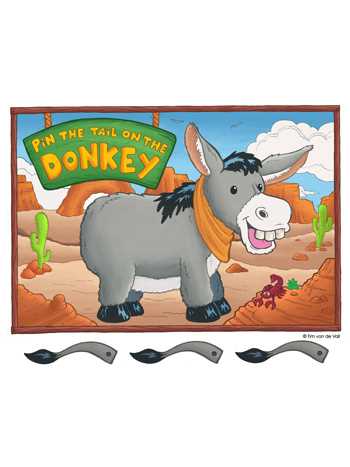
Assign one adult or older student to manage turns and spacing; clear floor markings at one-meter intervals prevent crowding near wall displays. Keep a small basket for attachable parts so each participant receives one item without delays.
Limit each turn to 20 seconds and reset wall display after every three participants to maintain clear placement zones. Soft background music masks directional hints without raising noise levels in shared spaces.
End each round with a brief group check of placements rather than individual commentary; this keeps attention high and avoids singling out misses while still allowing lighthearted comparison.