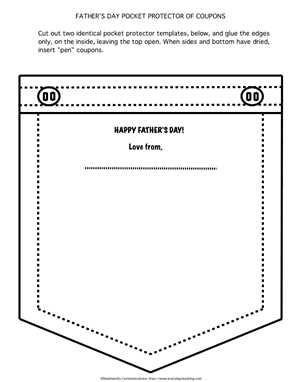
Set your printer to 100% scale with no page fitting, then verify accuracy using a 5 cm control square before cutting fabric pieces.
Preparing the Sewing Pattern Sheet for Accurate Results
Download the PDF file and open it in a viewer that allows scale control. Disable options such as “Fit to page” or “Shrink oversized pages.” After printing, measure the control square with a metal ruler. A deviation greater than 1 mm indicates scaling issues and requires reprinting.
Use 120–160 g/m² paper for better durability during tracing. If assembling multi-page layouts, align marked triangles or grid lines precisely and tape on the back side to avoid uneven edges. Cut along the outer solid line only after confirming measurements.
Cutting Fabric Pieces and Attaching Storage Compartments
Place the paper guide on folded fabric if a symmetrical shape is required. Secure with fine pins positioned inside seam allowances to avoid visible holes. Add seam margins of 1–1.5 cm unless they are already included in the layout.
Patch Style Construction
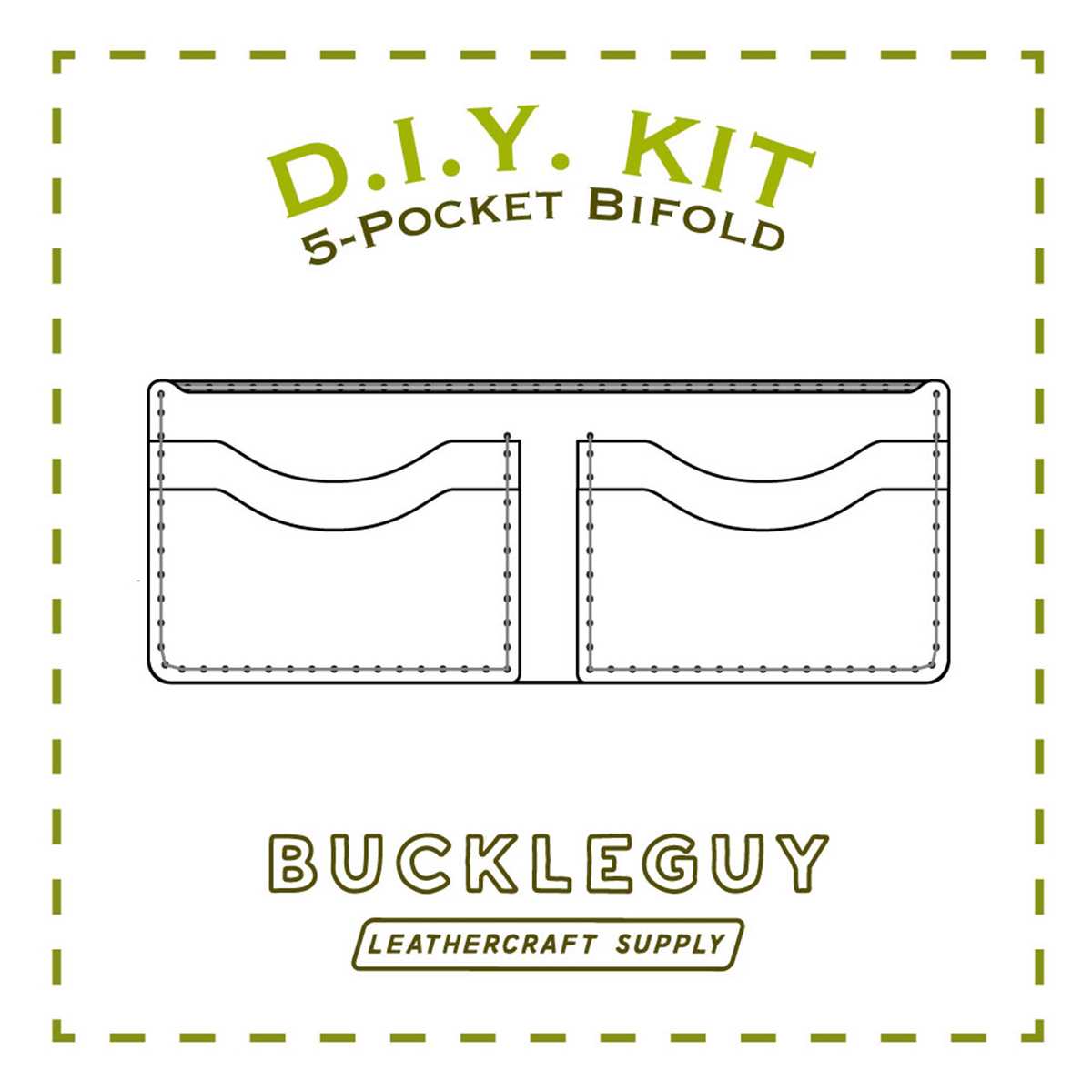
- Fold the top edge twice by 1 cm and stitch close to the inner fold.
- Press remaining edges inward by the seam margin.
- Position on garment using tailor’s chalk marks and secure with pins.
- Stitch 2–3 mm from the folded edge, reinforcing upper corners with short diagonal seams.
Inset Style Construction
- Mark the opening line and reinforce with fusible interfacing.
- Sew facing pieces along the marked slit line with 1 cm allowance.
- Cut the slit carefully, clip corners diagonally without cutting stitches.
- Turn facing to the wrong side, press flat, and topstitch if required.
- Attach the inner bag component to the facing and garment seam allowances.
Press each stage using fabric-appropriate temperature. For cotton, use 180–200°C with steam; for synthetics, keep below 150°C. Accurate pressing prevents ripples and maintains clean edges.
Adjusting Size and Shape
- Increase width by extending side lines evenly to maintain balance.
- Deepen the bag portion by 2–4 cm for larger capacity.
- Round lower corners using a cup or circular ruler for smooth curves.
Store the paper master in a labeled envelope to reuse for future garments without redrawing measurements.
Printable Pocket Template
Print the sewing layout at 100% scale and confirm accuracy with a 50 mm test square before transferring lines to fabric. Use a rigid ruler for measurement and reprint if deviation exceeds 1 mm. Select paper плотностью 120–160 g/m² so the pattern sheet keeps its shape during tracing and repeated use.
Align the grainline mark parallel to the fabric selvage and secure the paper guide with fine pins placed within seam margins. Add 10–15 mm allowances around all edges unless they are included in the draft. For curved lower corners, trace with a circular object 6–8 cm in diameter to maintain symmetry. Press fold lines with a steam iron at temperature appropriate for the textile type to avoid distortion before stitching.
Store the master draft in a flat envelope labeled with width, height, and seam margin data to prevent resizing errors in future projects.