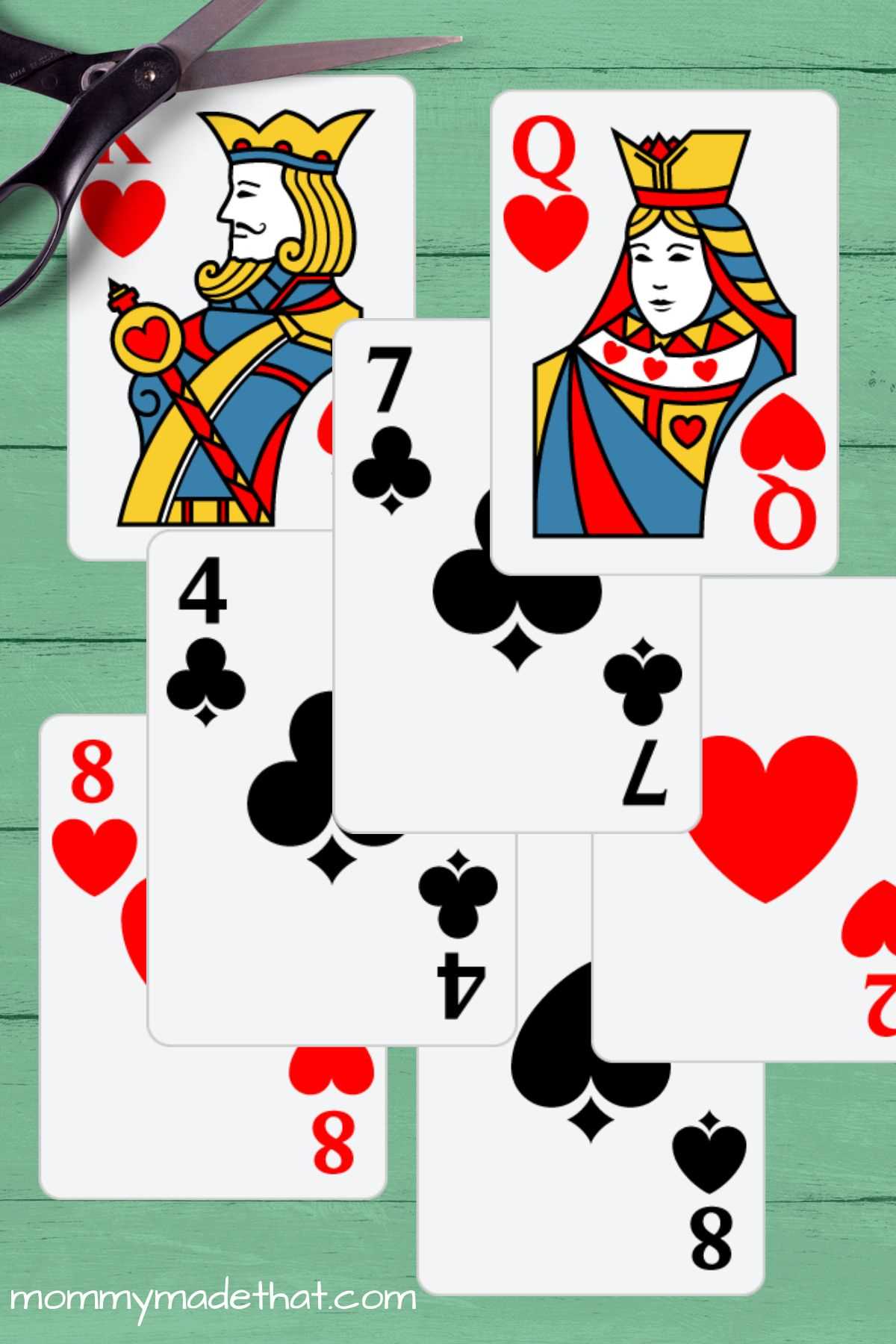
If you’re planning a game night and need a new set of playing cards, creating or downloading your own deck can be a fun and budget-friendly option. By using templates or designing your own, you can craft a unique deck that fits your event’s theme or your personal style. The best part? You can print them right from your home printer or take the files to a local print shop for a more professional look.
To start, you can either find free online resources that offer ready-made designs or use online tools like Canva or Adobe Spark to create your own. These platforms allow you to customize the design, add personal touches like custom artwork, or even integrate your favorite themes, whether it’s a seasonal motif or something more quirky.
Once you’ve designed or chosen your deck, the next step is printing. Be sure to use high-quality paper, preferably cardstock, to ensure the cards are durable. If you’re printing at home, make sure your printer settings are adjusted to handle thicker paper. Alternatively, many print shops offer card printing services if you want a polished, long-lasting result.
Custom Deck Designs for Your Next Game
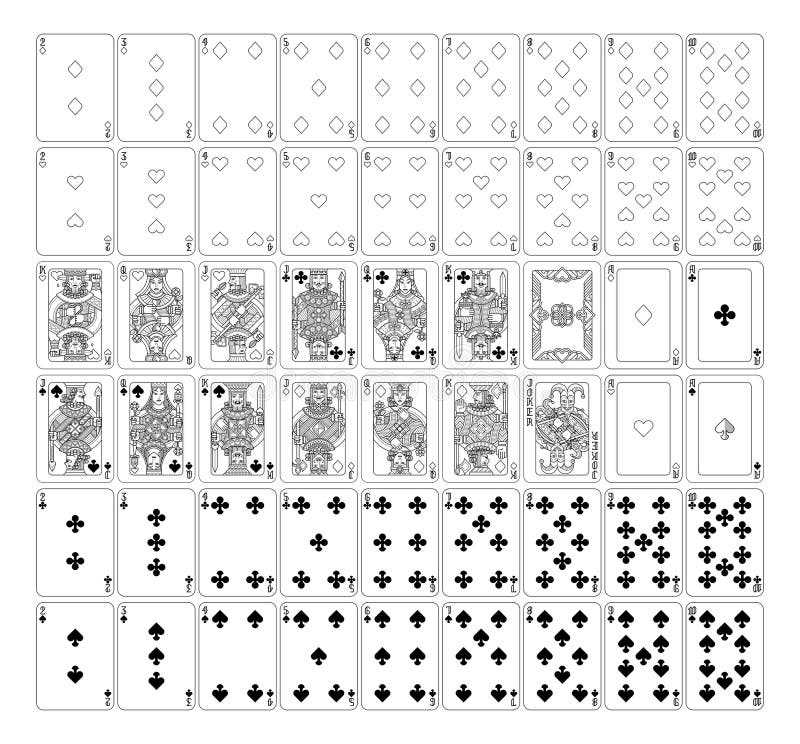
Start by selecting the right design style for your next card game. If you’re hosting a themed event, match your deck to the overall aesthetic. For example, you could create a vintage design or opt for a minimalist look. Choose colors, fonts, and symbols that align with the theme and make the cards visually appealing. Online design tools like Canva offer a range of templates that are easy to customize for any occasion.
- Tip: Use simple, bold fonts to ensure readability.
- Tip: Consider adding custom images or icons that reflect your event’s theme.
Once you’ve settled on the design, the next step is to download and print your deck. You can use high-quality paper, such as thick cardstock, to ensure that the cards last through multiple uses. Adjust your printer settings to accommodate the weight of the paper. For better durability, you might want to laminate the cards after printing or use a glossy finish to enhance their texture.
If you’re unsure about the printing process, consider sending the design to a local print shop. Many print services offer custom card printing, and they can provide professional-grade results with options like rounded corners, which adds a premium touch to your deck. This is especially useful if you plan to use the cards frequently.
How to Design and Customize Playing Cards for Printing
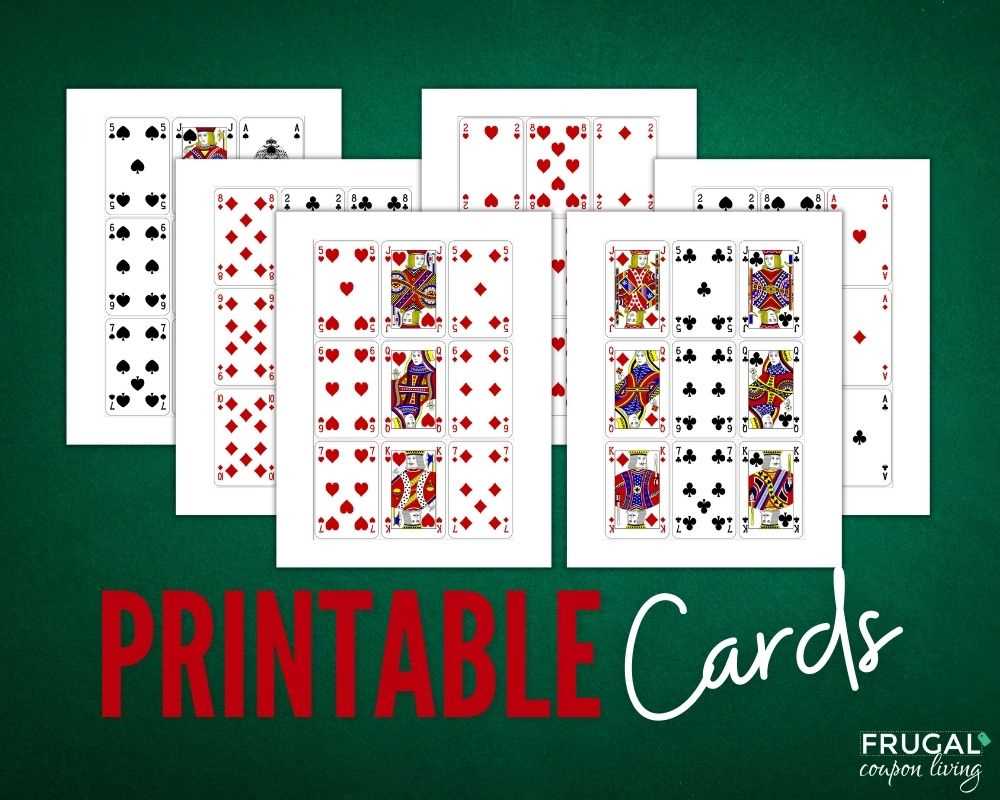
Start by choosing a layout that suits your needs. Many online platforms offer pre-designed templates that can be customized. Select a simple grid format to align the elements of each individual piece, or go for a full-bleed design where the background extends to the edge. Make sure that your design fits the standard dimensions of a playing piece for easy printing and handling.
Next, consider the artwork and colors. Whether you opt for classic designs or something more creative, choose high-quality graphics that will look sharp when printed. Bright colors will stand out, but remember that overly intricate patterns might be hard to reproduce clearly. Use vector images for logos or designs to ensure they scale properly without losing quality.
Ensure all text on the design is legible. This includes the numbers, suits, and any other markings you choose to add. Choose fonts that are simple and large enough to be read from a distance. Use contrasting colors to make the text pop against the background, and avoid placing text too close to the edges where it may get cut off during printing.
- Tip: Use high-contrast colors for text to improve readability.
- Tip: Keep designs minimal to avoid clutter, especially for smaller pieces.
After finalizing your design, it’s time to prepare for printing. Use a design software like Adobe Illustrator or even free tools like GIMP to finalize your deck. Ensure that your files are saved in a high-resolution format like PDF or PNG to maintain print quality. It’s also a good idea to include bleed areas (extra space around the edges) to prevent white borders from showing up after trimming.
If you’re printing at home, make sure your printer can handle thicker paper, such as cardstock. You might also want to experiment with different finishes, like matte or glossy, for the desired effect. Alternatively, you can send your design to a local print shop for a professional touch, which can provide additional options like lamination or rounded corners to make the deck more durable.