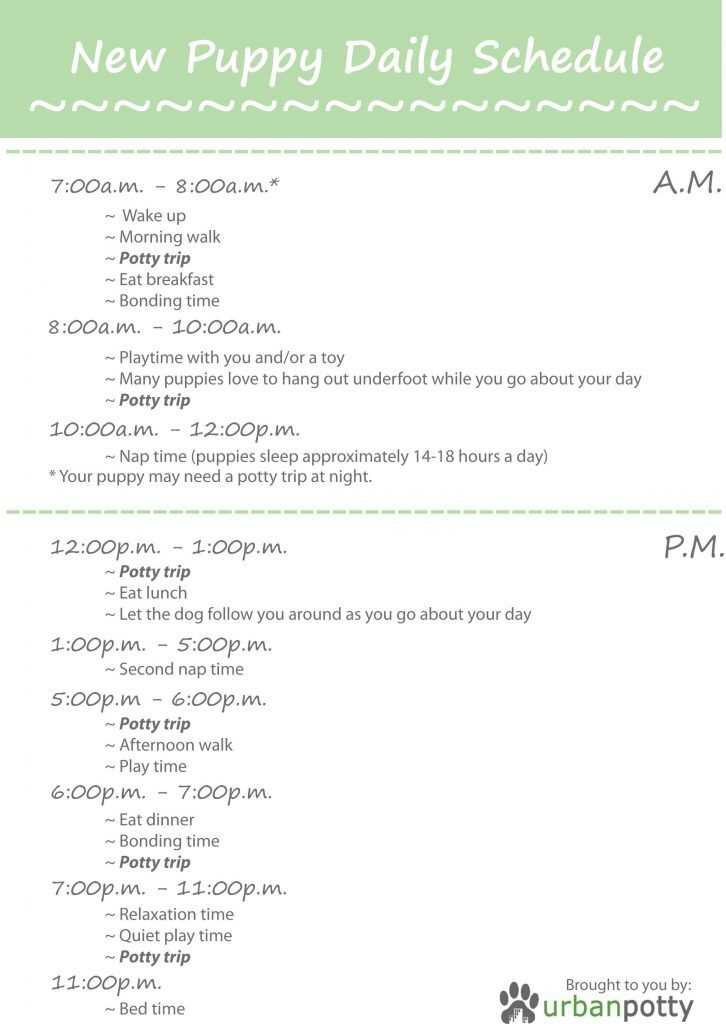
Start by organizing a clear plan that spans the first few months of your new companion’s development. A structured approach ensures that you cover essential areas of behavior and care while adjusting the intensity as your pet becomes more capable.
First Few Days: Building the Foundation
In the initial days, focus on introducing basic commands such as “sit,” “stay,” and “come.” Start with short, positive sessions of 5-10 minutes to avoid overwhelming your new friend. Consistency is key–repeat these exercises multiple times a day. Additionally, focus on house manners such as potty training, crate comfort, and teaching them to respond to their name.
- Use positive reinforcement like treats or praise.
- Establish a calm environment to help your pet settle in.
- Start crate training immediately for a secure and safe space.
Managing Behavior
During these early stages, your companion may exhibit common behaviors like chewing or jumping. Redirect these behaviors gently but consistently. If they chew on furniture, offer them a designated chew toy. For jumping, reinforce “sit” or “stay” before giving attention.
Next Steps: Introducing New Skills and Reinforcing Old Ones
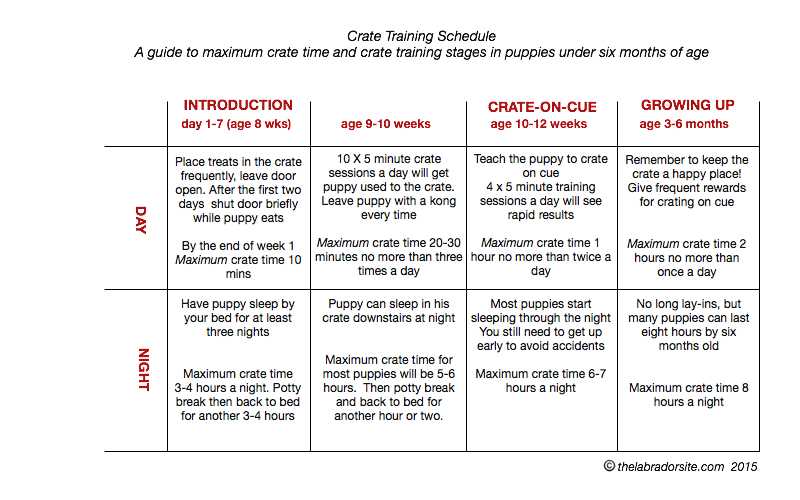
Once your companion has adapted to the basics, begin to expand the training to more advanced tasks, such as leash walking and learning to wait at doors. At this stage, longer training sessions of 15-20 minutes are appropriate. Always end on a positive note, so your pet associates training with good experiences.
- Teach your companion to walk politely on a leash with short, controlled sessions.
- Practice waiting at thresholds (doorways, gates) before going outside.
- Introduce simple tricks like “shake hands” or “roll over” as a fun bonding activity.
Adjusting for Growth
As your companion matures, increase the difficulty of tasks and incorporate new environments into your training. Take them to parks or busy streets for socialization, allowing them to learn how to behave in various settings. Always keep training sessions upbeat and adjust according to your pet’s individual pace.
Maintaining Consistency and Patience
The key to long-term success is consistency. Reinforce good behavior regularly, and provide mental stimulation through games and interactive toys. Patience is essential–each pet learns at their own pace. If a command isn’t sticking, break it down into smaller steps and reward progress along the way.
Building a Lifelong Habit
Incorporating learning into daily routines ensures that your companion becomes a well-adjusted and obedient adult. Keep reinforcing old skills while teaching new ones throughout their life. This will maintain a strong bond between you and your pet while ensuring they remain engaged and content.
Week-by-Week Plan for Building Good Habits in Your New Pet
Start by establishing clear and simple goals for the first few days. Focus on basic commands like “sit” and “come,” using positive reinforcement such as treats or praise to encourage correct responses. Keep these early sessions brief, around 5-10 minutes, to avoid overwhelming your new companion.
By the second week, you can introduce more structured activities. Begin reinforcing house rules, such as potty habits and designated areas for eating or sleeping. This is also a great time to get your pet comfortable with a crate, which will serve as their safe space for rest and relaxation. Keep training sessions short but consistent, repeating key commands several times a day.
As your pet becomes more settled, increase the complexity of your training. Week three is ideal for introducing leash walking. Begin with short walks in quiet areas, using gentle guidance to encourage your companion to walk beside you. If your pet pulls or tugs on the leash, stop and wait until they calm down before continuing. This teaches them that calm behavior leads to progress.
During week four, start to add distractions to your routine. This might include practicing commands in a busier environment, like a park or around other pets. Gradually, you can introduce more challenging tasks, such as teaching your companion to stay in one place for a longer period or to walk through doors calmly. These are key steps in developing focus and obedience.
- Teach your pet to sit and stay while you open doors or gates.
- Gradually increase the duration of each training session to build patience.
- Practice commands in different locations to improve their response in varied situations.
At week five, start integrating fun tricks into your pet’s routine, such as “shake hands” or “roll over.” These tricks help stimulate their brain and strengthen your bond. Continue to reinforce basic commands, ensuring they stay familiar with foundational skills. It’s important to keep training sessions engaging to avoid boredom.
In the sixth week, focus on reinforcing everything your companion has learned so far. Test their ability to stay calm around distractions, both in and outside your home. Keep refining leash manners and start introducing the idea of recall, asking them to return to you from short distances. Practice in varied locations to strengthen their ability to follow commands despite distractions.
By the seventh week, your companion should be developing into a well-mannered pet. Continue practicing with increasing difficulty, adding challenges like recalling from farther away or staying in place while you leave the room. Maintain a balance of fun and focused exercises to keep your companion interested while reinforcing the habits they’ve learned.