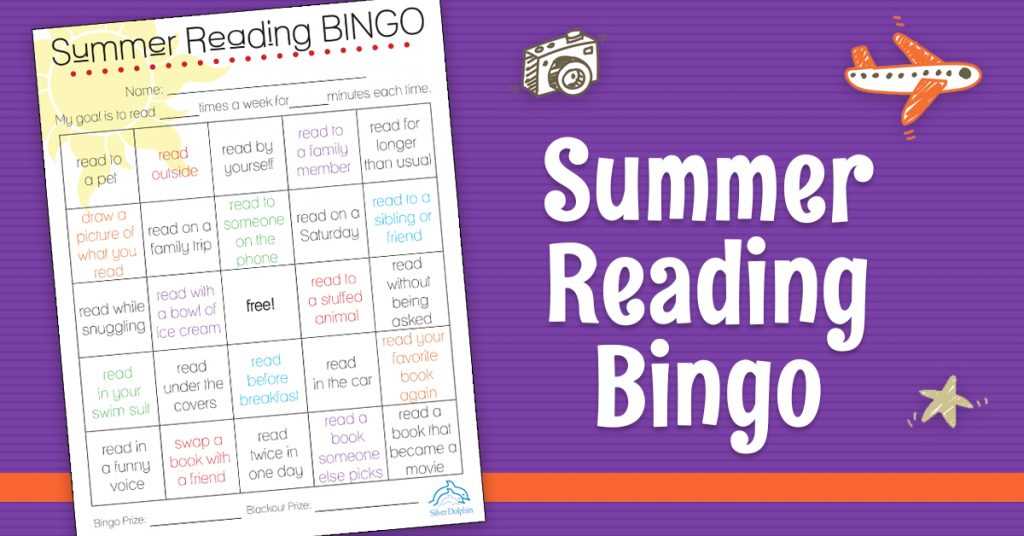
Start by incorporating a fun game to make learning more engaging for children. Create an activity where kids match words or themes to specific spots on a grid. These game sheets can be tailored to various skill levels and designed to improve recognition and recall of different vocabulary sets.
Choose the right set of words for the activity. Depending on the child’s level, include common sight words, phonetic patterns, or even thematic vocabulary related to their current reading material. This will help connect the activity with their ongoing lessons and boost comprehension.
Make the game visually appealing by using colorful grids and exciting themes that resonate with the child’s interests. Themes can include animals, objects, or even popular characters, making the exercise not only educational but also enjoyable.
For increased learning impact, turn the game into a group activity. Have children work in pairs or small groups to compete, making the exercise more dynamic and fostering collaboration. This interactive approach enhances both literacy and social skills.
Interactive Learning with Bingo Game Sheets
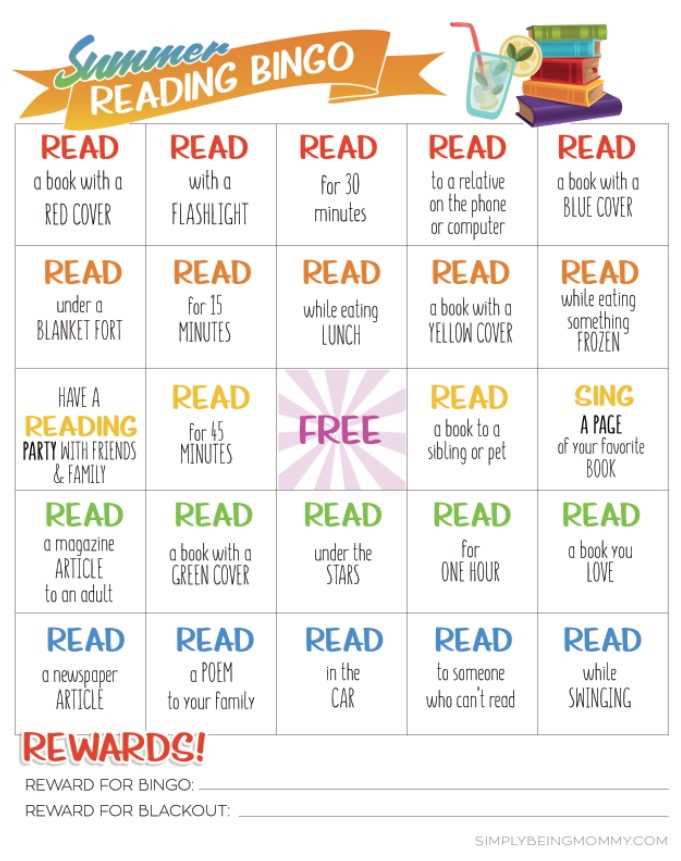
Create a grid with different vocabulary terms, letters, or themes for each square. Choose words from books the child is currently reading, or focus on high-frequency words they should recognize. This makes the activity more relevant and reinforces learning from their reading material.
To play, call out words from the grid and have the child mark them. If they are using a paper sheet, they can simply cross off the words as they hear them. For a digital version, consider using a virtual tool where the squares get marked automatically. This adds variety and flexibility to the game.
Customize the size of the grid based on the child’s age and skill level. For younger children, start with a smaller grid (3×3) to avoid overwhelming them. As their vocabulary grows, you can increase the grid size to 4×4 or 5×5, making the game progressively more challenging.
Mix in some fun themes that capture their attention. Instead of using typical words, try using categories like animals, foods, or objects they are familiar with. This not only makes the game fun but also reinforces their connection to the real world through words they encounter daily.
Encourage competition by playing with multiple children. You can award small prizes for completing a row or filling the entire grid, turning the activity into a group challenge. This increases excitement and motivates children to pay closer attention to their word recognition.
Lastly, make sure the game is relaxed and enjoyable. Avoid focusing solely on winning and allow children to take their time marking off words. This ensures the activity remains stress-free and enjoyable while also being educational. Let them play at their own pace, making learning feel like a fun, engaging activity.
How to Create Your Own Reading Bingo Cards for Kids
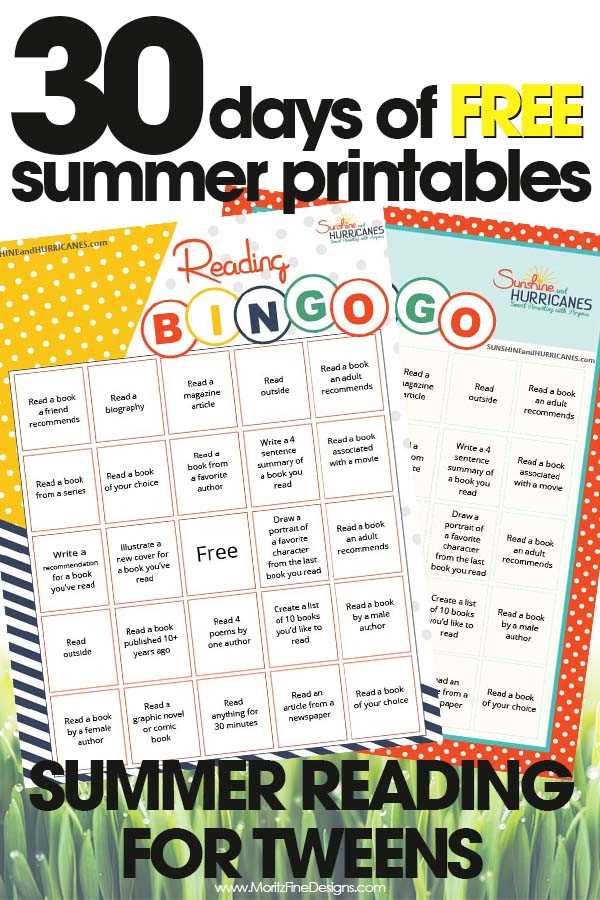
Start by selecting the appropriate vocabulary list. Choose words that are relevant to the child’s current learning materials, such as sight words, phonics patterns, or specific themes from their books. This ensures the game stays connected to their educational content.
Next, create a grid layout. For younger children, a 3×3 or 4×4 grid is ideal. As the child’s skills grow, increase the size to a 5×5 grid. This gradual progression will provide a greater challenge and keep the game engaging as their word recognition improves.
Design the grid by placing the chosen words in random order across the grid spaces. You can use a simple word processor or design software to arrange the words neatly. Ensure that each square has enough space for the child to mark off the word as it’s called out.
To add a personalized touch, incorporate colorful fonts, fun images, or themed backgrounds that relate to the vocabulary list. This adds visual appeal and makes the activity more exciting for children, keeping them engaged throughout the game.