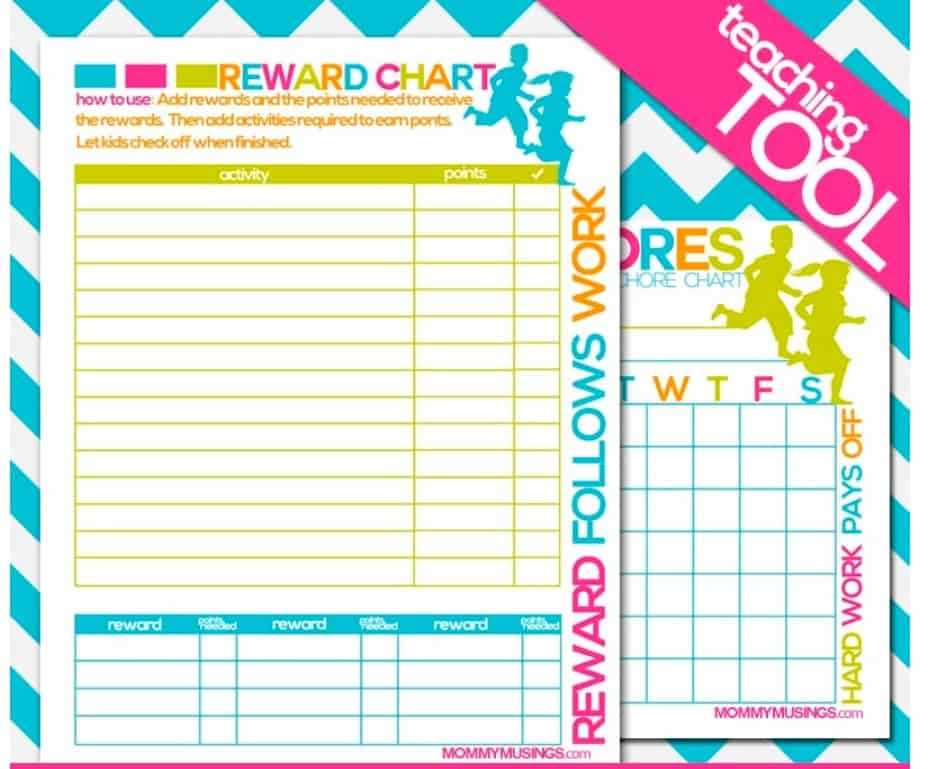
Use a clear task tracker with fixed daily rows and seven columns for weekdays to organize chores, homework, and personal habits. Limit the list to 5–8 items for children under 8 and 8–12 items for older kids to keep the layout readable. Place checkboxes at least 1.5 cm wide so they can be marked easily with a pencil or sticker.
Divide duties into morning, afternoon, and evening blocks to prevent clutter and reduce skipped steps. For example, include “make bed,” “pack school bag,” and “brush teeth” in the first block, and group homework with reading time in the second. Keep font size no smaller than 14 pt for early readers and use bold labels for section headers.
Add a weekly goal strip at the bottom with a simple point system such as 1 point per completed task and a 20–30 point reward threshold. Leave a narrow column for parent initials or teacher signatures to confirm completion. Print on 120–160 gsm paper to prevent tearing, and laminate if you plan to reuse the sheet with dry-erase markers.
Adjust spacing between rows to at least 8 mm to avoid overlapping marks, and leave a 1 cm margin on all sides for standard home printers. Store finished sheets in a binder to track progress over four-week periods and review patterns in missed duties before revising the task list.
Printable Responsibility Chart Template
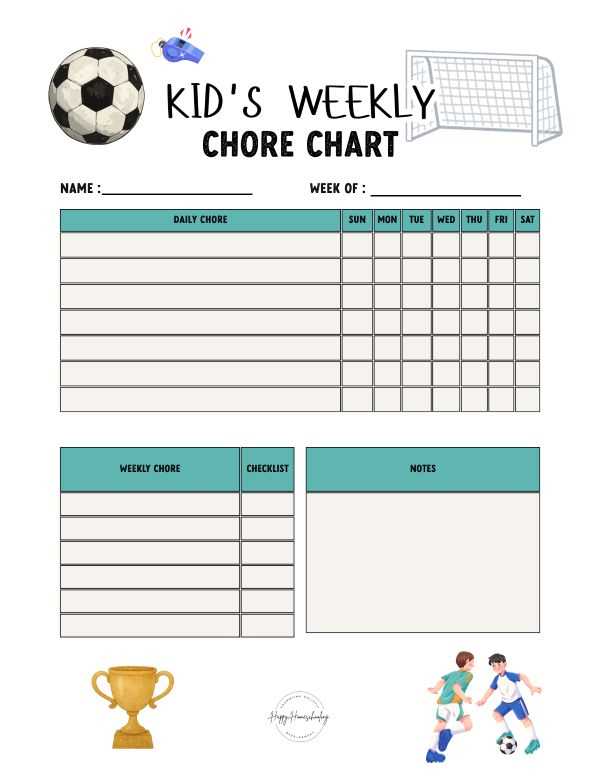
Design the task sheet with five to seven daily duties arranged in rows and days of the week placed in columns across the top. Keep each cell at least 1.5 × 1.5 cm so children can tick boxes or place stickers without overlapping marks. Use a 14–16 pt sans serif font for task names to maintain readability for early readers.
Group assignments by time of day to reduce missed steps. Place morning routines such as getting dressed and packing a school bag in the first section, homework and practice time in the middle, and evening chores like tidying toys or preparing clothes for the next day at the bottom. Leave a narrow verification column for initials to confirm completion.
Add a weekly score row beneath the grid with a clear reward threshold, for example 25 completed duties equal one agreed privilege. Keep the scoring rule visible directly on the page to avoid confusion and disputes.
Print on 120–160 gsm paper to prevent tearing, set margins to 1 cm for standard A4 or US Letter formats, and laminate the sheet if you plan to reuse it with dry erase markers. Store filled pages in a binder for four week review cycles and adjust the task list based on repeated gaps.
How to Structure Daily and Weekly Task Columns for Different Age Groups
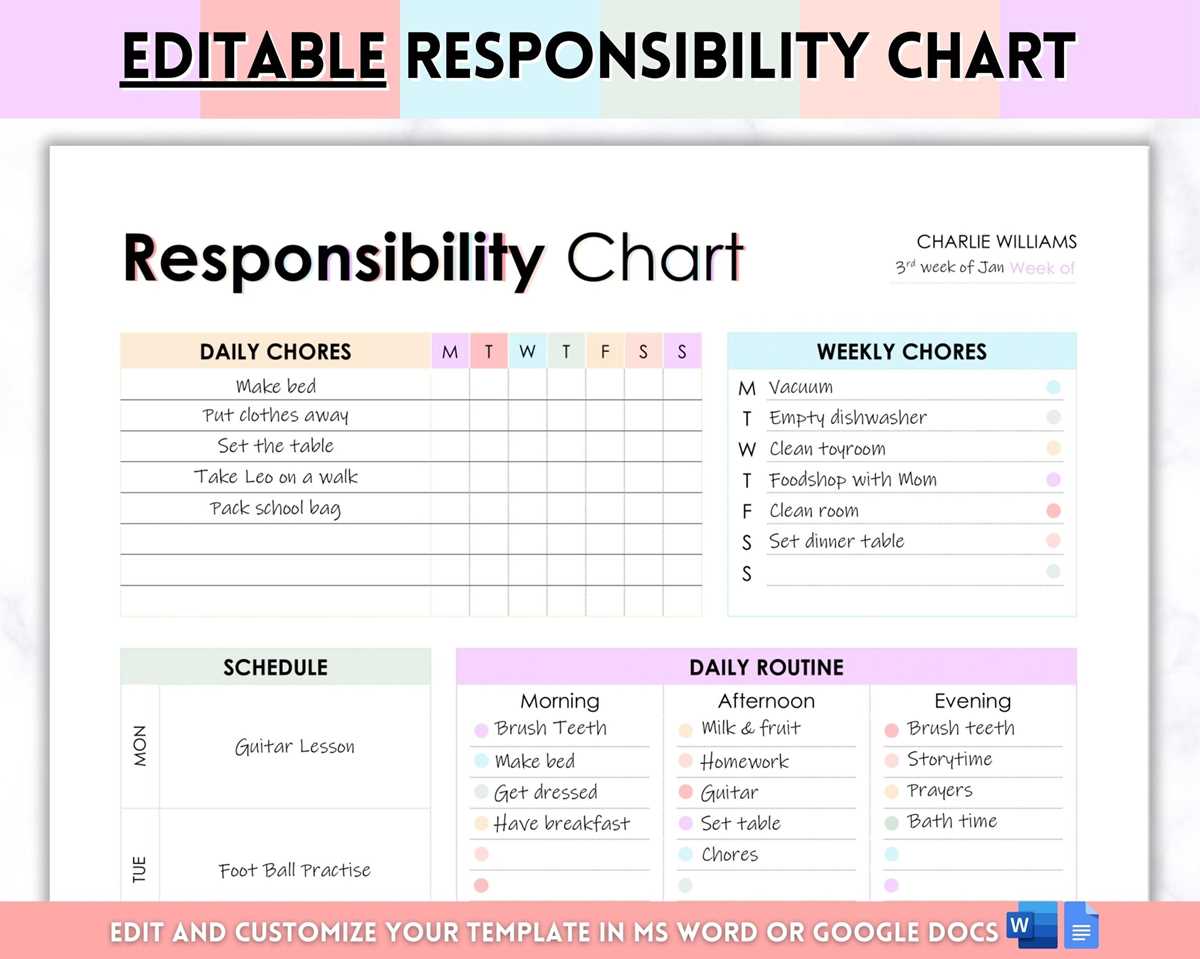
Limit daily columns to three to five duties for children aged 3–5 and display one week across the top with clear weekday labels. Each box should measure at least 2 cm wide to allow large check marks or stickers, and task names should rely on short phrases such as “Brush teeth” or “Put toys away.”
For ages 6–8, expand the grid to six or seven rows and divide duties into morning and evening sections separated by a bold horizontal line. Keep weekday columns uniform and avoid squeezing weekends into smaller spaces; equal column width prevents confusion about which day is being marked.
For ages 9–12, add a separate weekly goals column on the far right where cumulative totals can be tracked. Use smaller 1.5 cm checkboxes and introduce numeric scoring, such as one point per completed duty and a visible total row at the bottom.
Teenagers benefit from a two layer layout: daily habit tracking in the main grid and a weekly target block beneath it. Allocate space for study hours, physical activity, and household chores, and allow blank rows so tasks can be adjusted without redesigning the entire sheet.
Keep column headers concise and aligned centrally above each day. Use 14 pt font for younger children and 12 pt for older students to fit additional entries without crowding.
Separate school days from weekends with a subtle vertical divider line. This visual break helps younger users recognize routine differences while keeping the grid structure intact.
Maintain at least 8 mm vertical spacing between rows across all age groups to prevent overlapping marks and to keep the tracking sheet readable after multiple entries throughout the week.