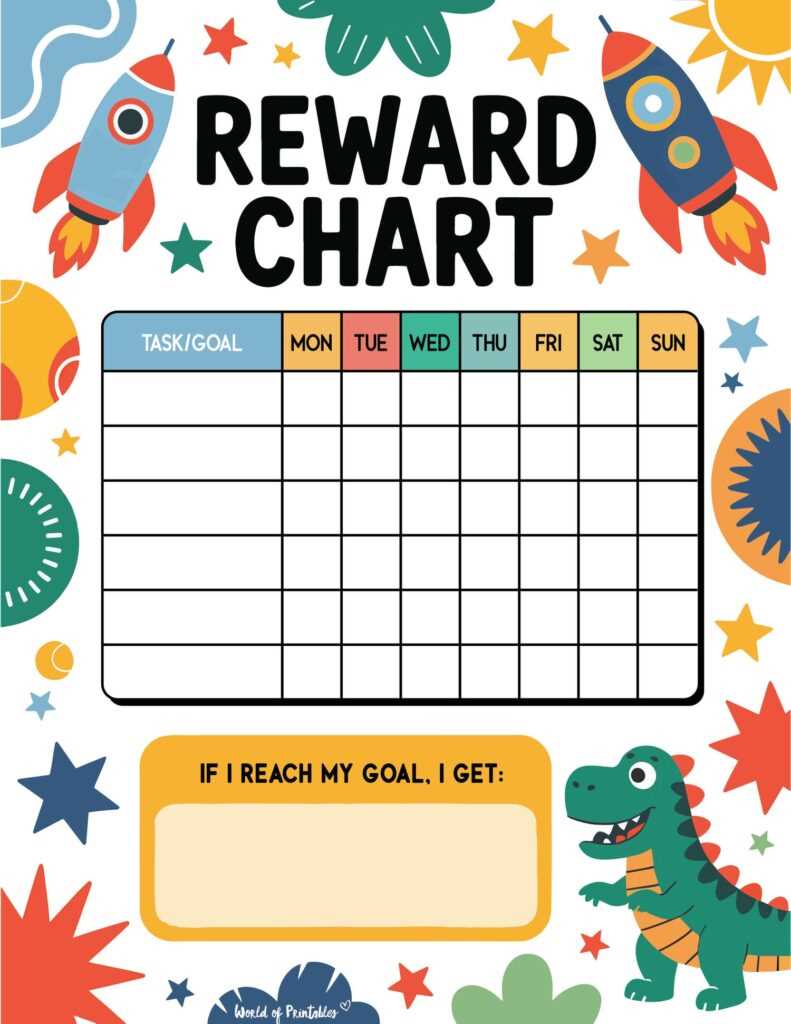
To encourage positive behavior and create a fun system for goal-setting, consider using a visual tracker that allows your child to mark progress. This simple tool can be designed with spaces to fill in tasks and a section to earn rewards once the tasks are completed. It’s a great way to teach responsibility and celebrate small achievements.
Make sure the design is colorful and engaging, so it captures your child’s attention. Include illustrations or images related to the tasks to keep it interesting. For example, if the task involves tidying up, use pictures of a clean room or a toy box. This visual connection can make the process more interactive and enjoyable.
For better results, be consistent with the tasks and rewards. Select goals that are achievable and appropriate for your child’s age. Keep the rewards simple, such as extra playtime, a special treat, or a fun outing. This system can help establish a routine while motivating your child to complete daily tasks on their own.
Printable Reward Chart for Kids
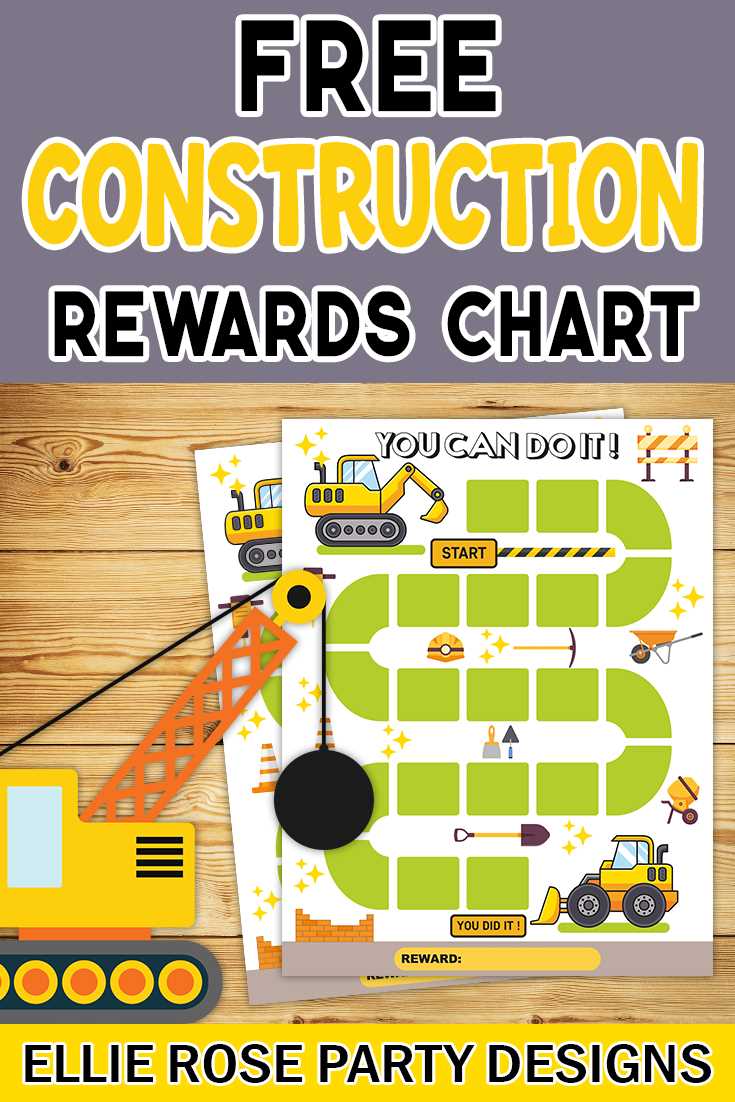
To get started, select a template with rows for tasks and columns for completed actions. This will allow your child to clearly see what they’ve accomplished and what still needs to be done. Choose a design that is colorful and engaging to keep their attention focused.
Ensure the tasks are age-appropriate. For younger children, simple activities like “putting toys away” or “brushing teeth” work well. As children get older, tasks can include more complex responsibilities like “completing homework” or “helping with dishes.” This keeps them challenged without feeling overwhelmed.
Incorporate small images or icons that relate to each task. For instance, a picture of a toothbrush for the “brush teeth” task or a toy for “clean up the room.” Visual cues help make the process more interactive and fun, especially for younger children who may not be able to read yet.
Consistency is key in using this method. Set a clear goal for how many tasks must be completed before the child earns their chosen incentive. For example, completing five tasks could lead to a reward like extra screen time, a special treat, or a trip to their favorite place.
Offer rewards that align with the task. If the child enjoys a particular activity, such as drawing or playing a board game, consider making those rewards. This will help your child connect their hard work to something they truly value.
Involve your child in the process of selecting tasks and rewards. This not only makes them feel more invested in the system but also helps them understand the connection between effort and outcome. Ask them to choose what tasks they’d like to complete and what rewards they feel motivated by.
After using this system for a while, you may want to adjust the tasks and rewards to keep it fresh. As your child masters one set of responsibilities, introduce new ones. This keeps the process dynamic and ensures the child remains challenged and motivated.
Finally, celebrate the child’s achievements together. Acknowledge their success, no matter how small, to reinforce the positive behavior. This not only helps maintain enthusiasm but also encourages a sense of accomplishment that will motivate them to keep improving.
How to Create a Custom Reward Chart for Your Child
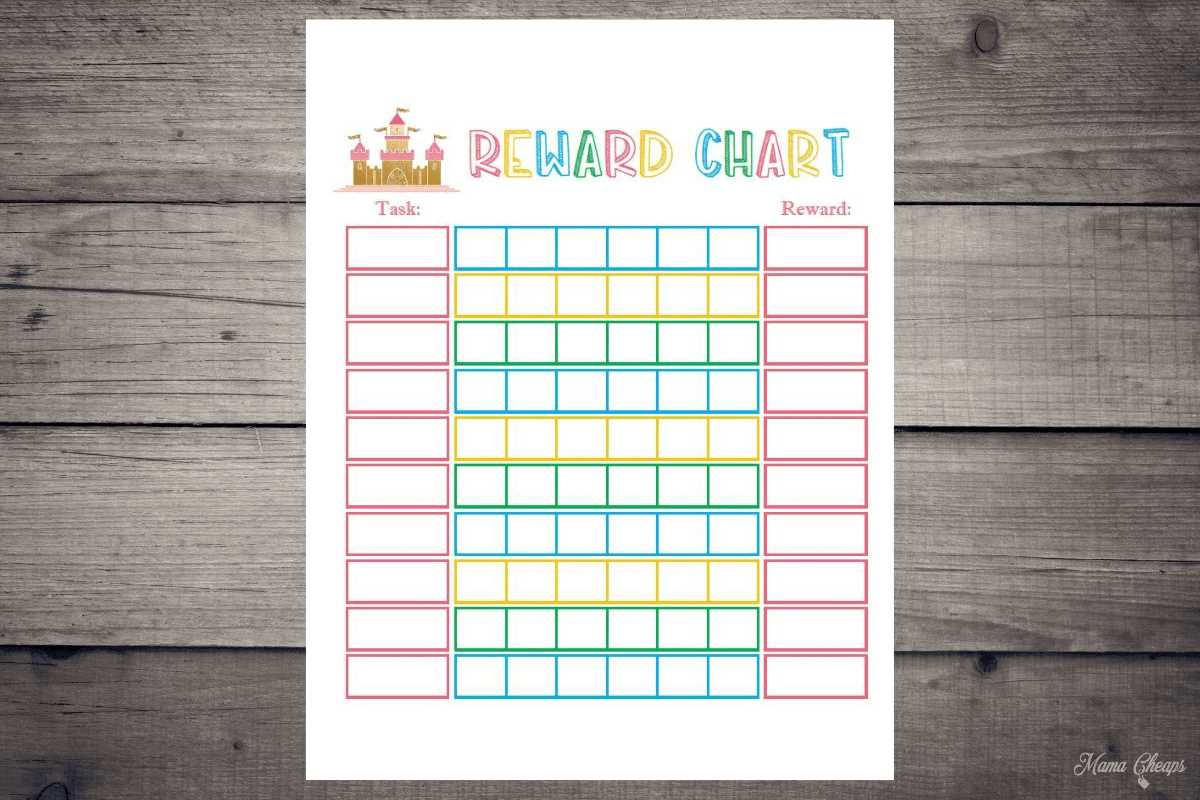
Start by selecting a layout that suits your child’s needs. For younger children, a simple system with rows for tasks and spaces to mark off completed actions works best. For older children, you can introduce more complex systems, such as adding a points or star system. Use a tool like a spreadsheet or an online design tool to create a clean, easy-to-read format.
Choose tasks that are age-appropriate and achievable. Younger children can handle basic chores like “putting away toys” or “washing hands,” while older children can take on responsibilities such as “completing homework” or “walking the dog.” It’s important to ensure that the tasks align with your child’s abilities so they can succeed and feel accomplished.
Consider using a visual design to make it more engaging. Add pictures next to each task that reflect the action, such as a toy for “cleaning up toys” or a plate for “setting the table.” Visuals help reinforce the concept and make it more exciting for children who are not yet reading.
Decide on a reward system. Rewards can range from small treats like stickers or extra playtime to larger rewards such as a special outing or a gift. Clearly define what your child can earn based on how many tasks they complete, and make sure to explain this system to them beforehand.
Make the process interactive by allowing your child to choose some of the tasks and rewards. This involvement helps them take ownership of the system and makes it more motivating. Give them a chance to select a reward or task they want to focus on, which can make them more excited to participate.
Incorporate flexibility into the system. If your child completes the tasks but is unable to earn the reward, offer encouragement and explain what they need to do next time. This approach helps them understand that persistence is key and keeps them motivated over time.
Track progress in a way that feels rewarding. Use color-coded sections or stickers that can be added each time a task is completed. This creates a visual representation of the child’s success and gives them a sense of accomplishment as they move closer to earning their reward.
Finally, keep the system fun and light-hearted. Celebrate your child’s success with praise and small rewards, even if they haven’t yet earned the ultimate prize. The goal is to build confidence and teach your child the value of completing tasks, so keep it enjoyable and flexible for long-term success.