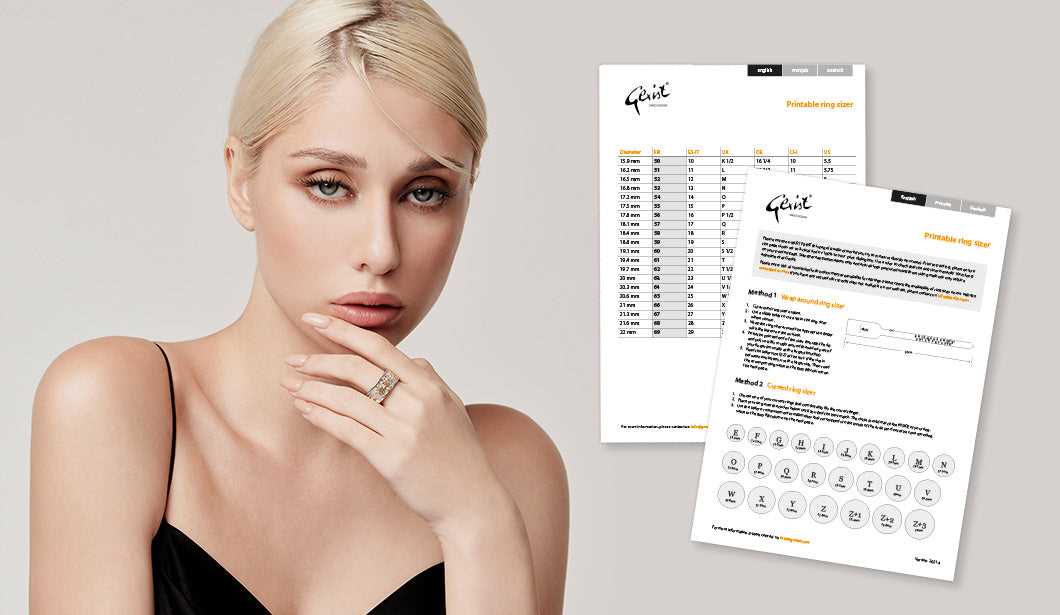
Start by measuring the circumference of your finger with a strip of paper or a soft measuring tape. Cut the paper to the size of your finger, making sure it fits snugly but comfortably. Mark the point where the ends overlap and then measure the length with a ruler. This gives you the circumference in millimeters, which you can then match with a measurement chart to find your exact fit.
If you have a ring that fits well, you can also use it as a reference. Place it on a flat surface and measure the inside diameter. Then, use a chart to convert that measurement into the corresponding number. This is particularly useful if you’re shopping for a specific piece but are unsure about the sizing based on your finger’s unique shape.
Tips for Accurate Measurements
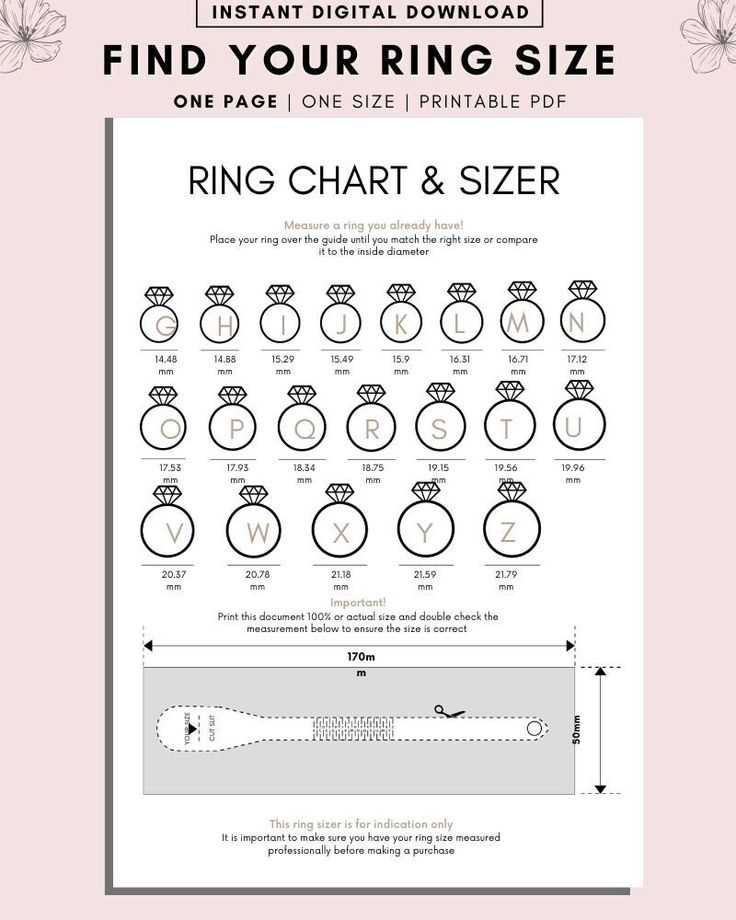
When taking your measurement, avoid pulling the tape too tight or leaving it too loose. The ring should comfortably slide on and off without pinching or feeling too loose. Consider the time of day as well; fingers tend to expand slightly during the day, so it’s best to measure in the evening when your finger size is at its largest.
If you’re still uncertain, try measuring multiple times to confirm consistency. It’s also helpful to compare the measurements with any standardized conversion chart based on your region to ensure you’re on track for a perfect fit.
What to Do if You’re Between Sizes
If your measurement falls between two sizes, choose the larger option. This ensures that the piece won’t feel too tight, especially on warmer days when your fingers tend to swell slightly. It’s always easier to adjust a slightly larger piece than one that’s too small to wear comfortably.
Keep in mind that sizing can vary slightly between jewelers, so it’s always a good idea to consult their specific sizing chart or policy for adjustments.
How to Accurately Measure Your Finger
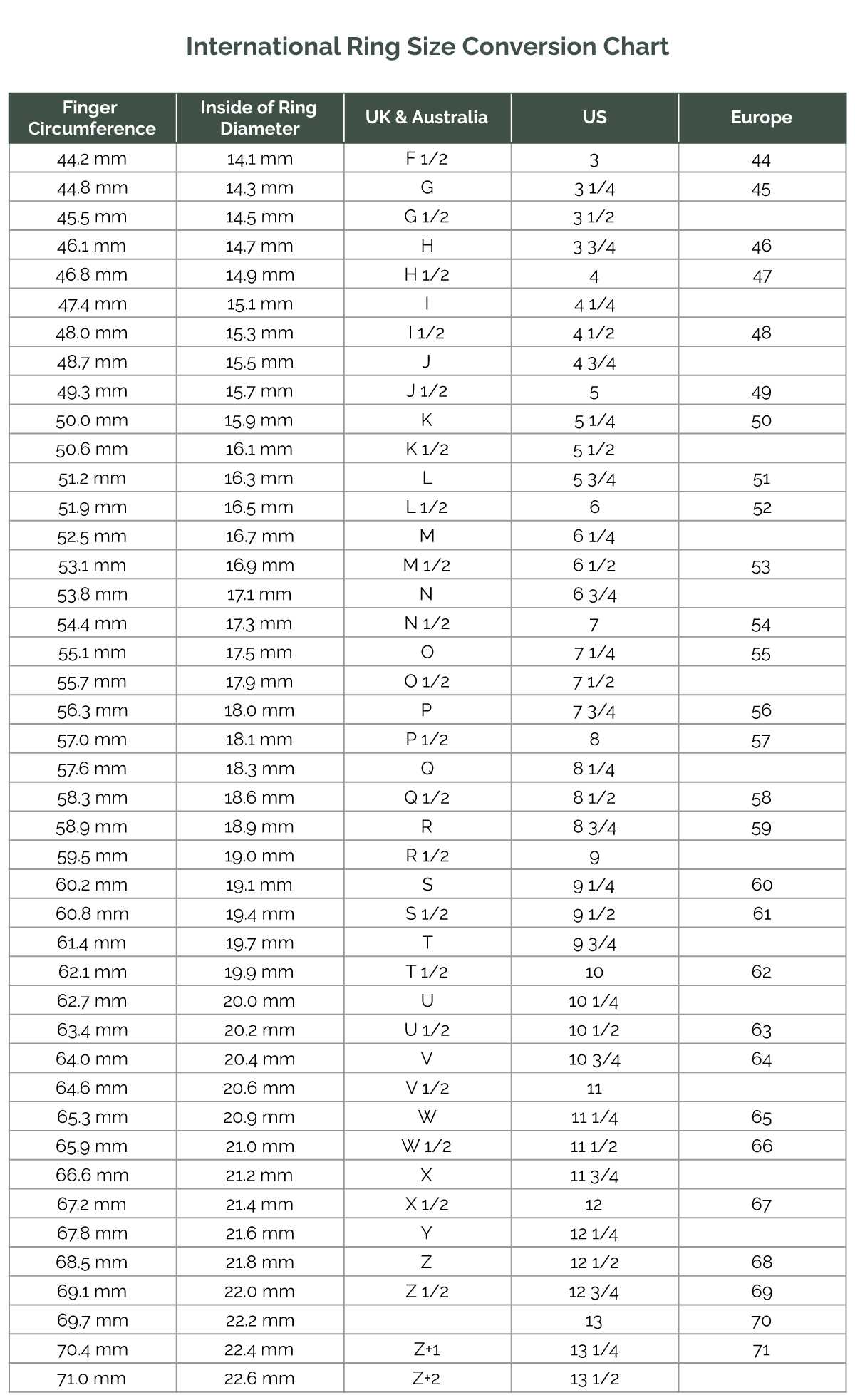
To measure your finger correctly, use a strip of paper or a flexible measuring tape. Wrap it around the base of your finger, ensuring that the tape fits snugly but comfortably. Mark the point where the ends meet and then measure the length with a ruler. The resulting measurement will give you the circumference in millimeters, which can then be converted to your corresponding fit using a standard sizing chart.
If you prefer using an existing piece of jewelry, take a ring that fits comfortably and place it on a flat surface. Measure the inner diameter of the ring and compare it to a conversion chart. This method is convenient for those who already own a well-fitting piece but want to ensure that their next purchase matches perfectly.
Understanding How Temperature Affects Fit
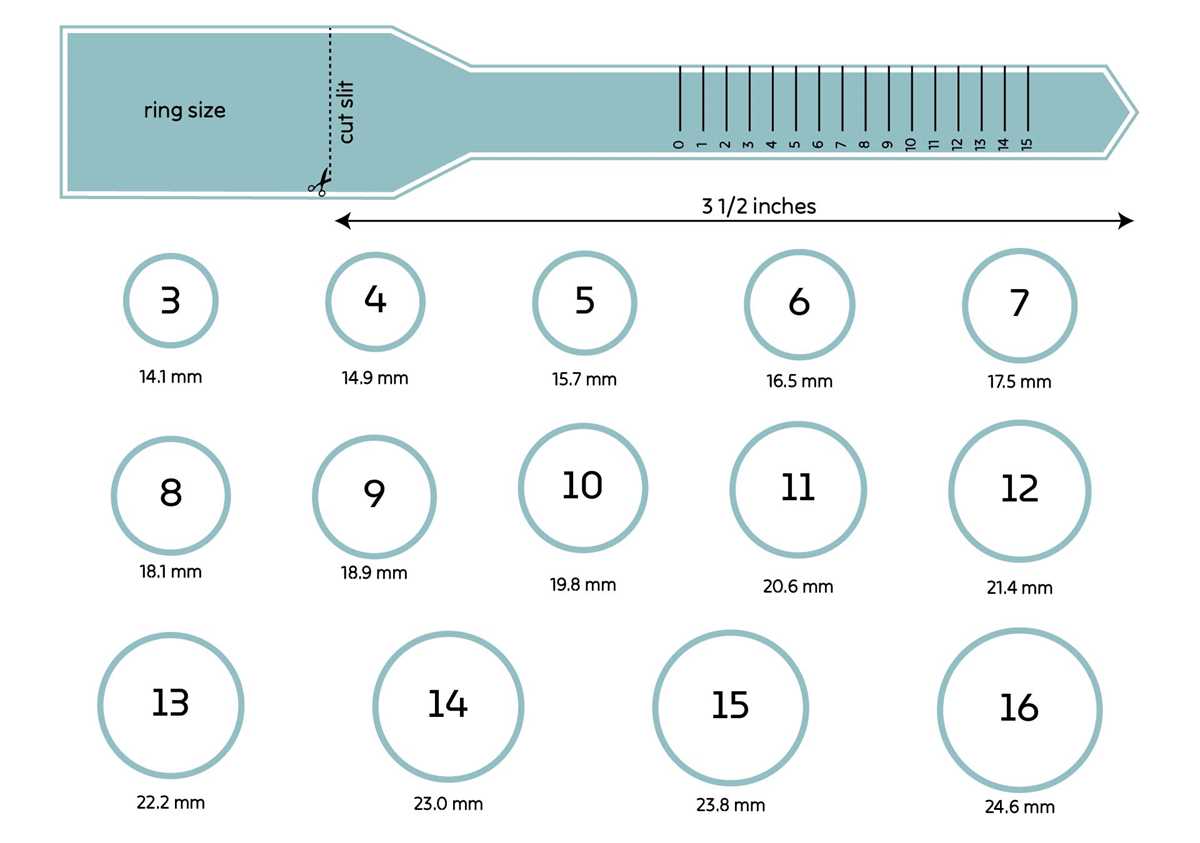
Your finger size can fluctuate throughout the day depending on the temperature. During warmer weather, fingers tend to expand, while they may shrink during colder temperatures. It’s advisable to measure your finger in the evening when it’s at its largest to get the most accurate measurement. If you’re purchasing jewelry during colder months, make sure to account for potential swelling in hotter seasons.
What to Do If Your Measurement Falls Between Sizes
If your measurement places you between two sizes, it’s generally better to opt for the larger one. This will ensure that the piece won’t feel too tight, especially if your fingers tend to swell or fluctuate in size. A larger fit is also more comfortable for long-term wear. However, keep in mind that resizing options are often available, depending on the type of jewelry.