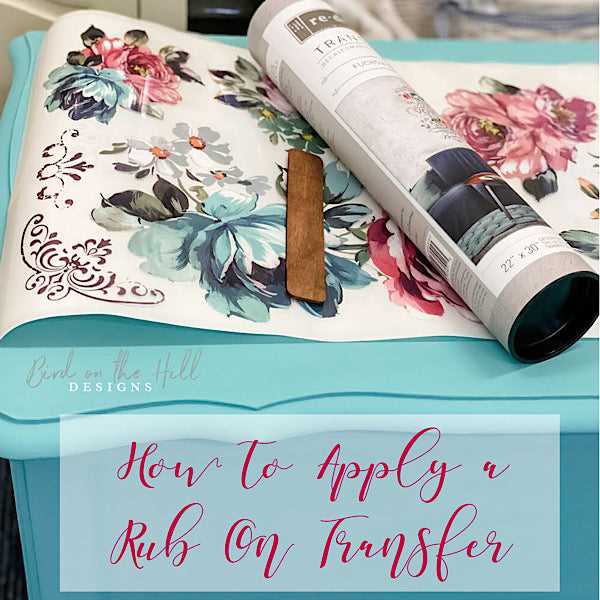
Start by selecting the right design for your project. Whether it’s for home decor, clothing, or gifts, make sure to pick a high-quality illustration that will transfer cleanly onto your chosen surface. When choosing a design, ensure it is suitable for the material you’re working with, such as fabric, wood, or ceramic.
Before you begin, print your design in mirror image to ensure it transfers properly. Use a high-resolution image to avoid blurriness in the final product. Once printed, carefully follow the instructions on the product packaging for a smooth application. This typically involves placing the printed side down on the surface and applying pressure to transfer the design evenly.
After transferring, allow it to fully cool or set before touching. To keep the design intact, avoid washing or exposing it to high heat immediately. The result is a clean, professional-looking design that can be used for a variety of craft projects.
How to Choose the Right Transfer Material for Your Project
To ensure a successful outcome, first consider the surface you’re applying the design to. Different materials, such as fabric, wood, or metal, may require specific types of transfer sheets. For instance, if you’re working with fabric, opt for transfer sheets designed for textiles to ensure the design adheres properly and withstands washing.
Next, check the weight and thickness of the transfer material. Thicker sheets tend to be more durable but may require more pressure during application. Lighter sheets are easier to handle and work well for delicate projects, but may not adhere as strongly. Match the material’s thickness to the complexity of your design and the surface you are using.
Pay attention to the finish of the transfer material as well. Some are glossy, while others have a matte finish. Choose based on the effect you want to achieve. Glossy sheets work well for vibrant, colorful designs, while matte sheets give a more subdued and elegant appearance. Your finish choice can make a significant impact on the final look of the project.
If you’re planning to use the design outdoors or on items that will be exposed to wear and tear, select a transfer option with stronger adhesive properties. These materials are designed to endure harsh conditions, such as sunlight and moisture. Look for transfer sheets labeled as durable or waterproof to extend the longevity of your design.
Lastly, always read the instructions on the packaging to ensure compatibility with your printer. Some transfer materials are designed for inkjet printers, while others are made for laser printers. Using the wrong type of printer can result in poor-quality transfers, so it’s crucial to match the material with your equipment for the best results.
Step-by-Step Instructions for Using Transfer Sheets

Start by selecting and printing your design. Ensure the image is printed in reverse to achieve the correct orientation once applied. Use a high-quality printer and select the appropriate settings for the material you’re working with. Allow the printed sheet to dry completely before proceeding to the next step.
Place the printed side of the design face down onto your desired surface. Carefully align it to avoid misplacement. Once positioned, apply even pressure across the entire design using a flat tool, such as a burnishing tool or spoon. Apply consistent pressure for several minutes, ensuring all areas of the design are firmly transferred. Afterward, gently peel off the backing sheet, revealing the transferred image.
Common Mistakes to Avoid When Working with Transfer Sheets
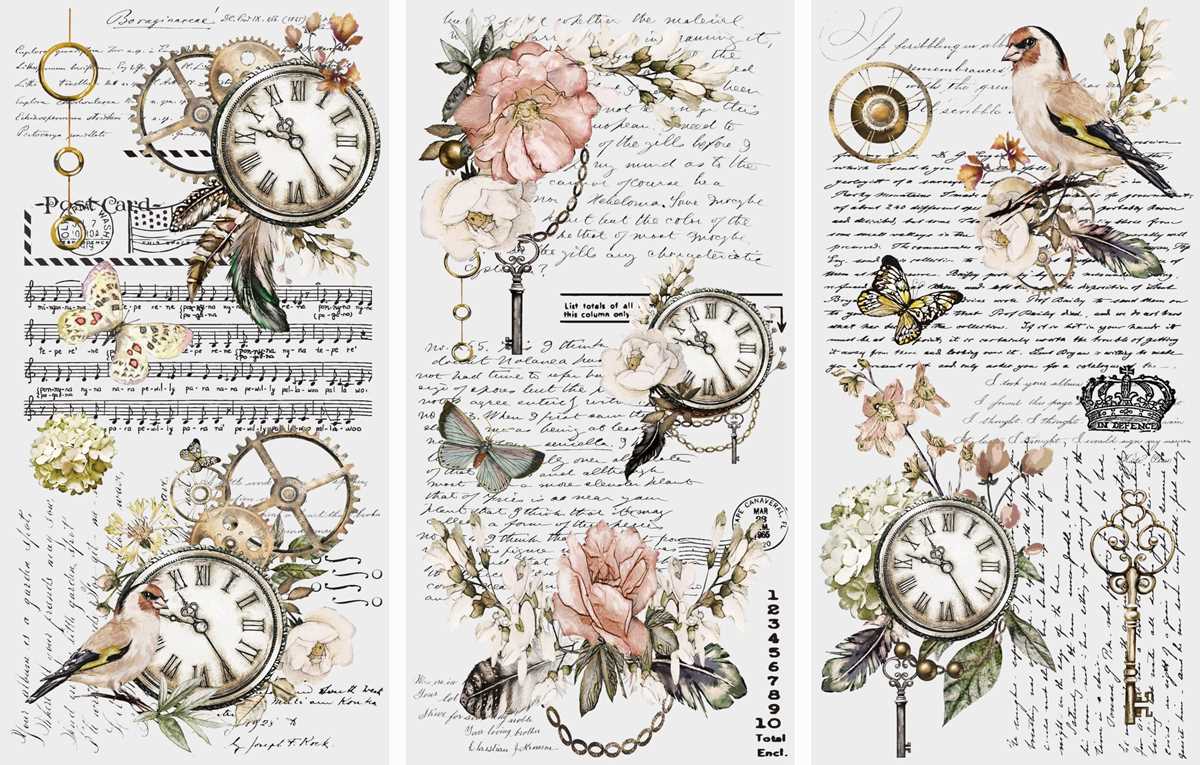
Avoid using the wrong type of material for your project. For example, using sheets designed for textiles on hard surfaces like wood or metal can result in poor adhesion. Always check the product specifications to ensure compatibility with your chosen surface.
One common mistake is skipping the step of printing in reverse. If you don’t flip your design, it will appear backward when applied. This is especially important for designs with text or directional patterns. Always mirror your image before printing to ensure the correct outcome.
Another mistake is applying insufficient pressure during the transfer process. Failing to apply even pressure can lead to uneven or incomplete designs. Use a flat tool, such as a spoon or a burnishing tool, and press firmly over the entire surface to ensure a smooth and full transfer.