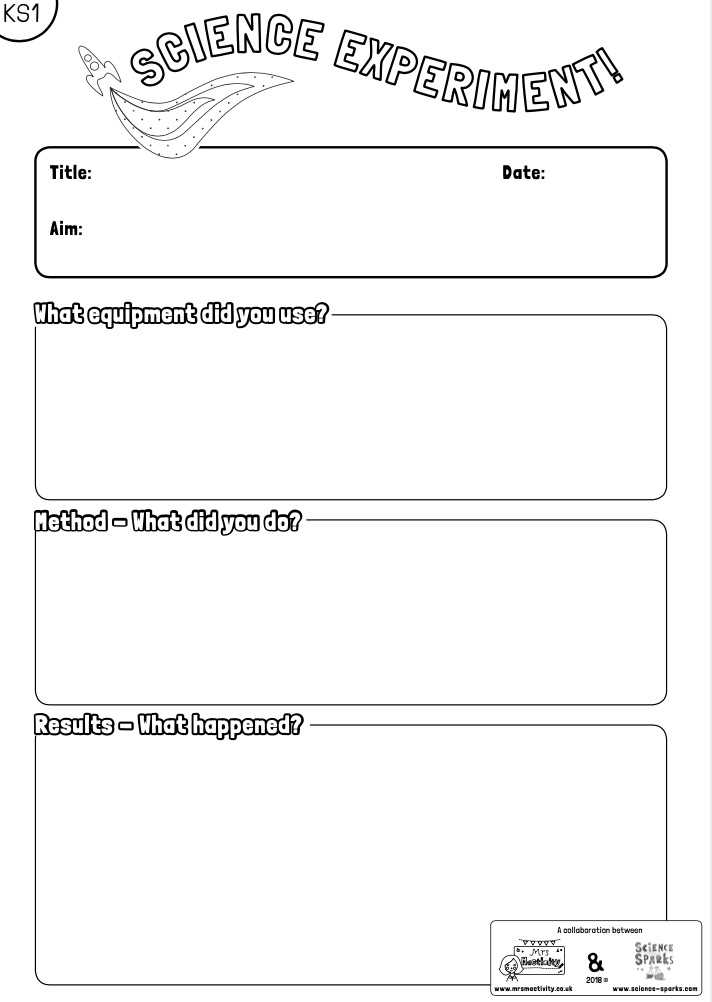
Start incorporating hands-on experiments into early learning to ignite curiosity in young minds. Simple, fun tasks like mixing colors or observing plant growth can make complex concepts easier to understand. These types of exercises allow children to interact directly with the world around them and build a foundation for future exploration.
For younger learners, visuals can be an excellent tool for making abstract ideas more tangible. Creating worksheets or charts with easy-to-follow instructions helps children make connections between actions and outcomes. Tasks such as sorting objects by size, shape, or weight can introduce critical thinking and basic classification, fostering problem-solving abilities from an early age.
One of the key aspects of engaging young minds is ensuring activities are age-appropriate and enjoyable. Keeping experiments simple and interactive will maintain their attention while allowing them to observe the cause-and-effect relationships that form the backbone of basic understanding. Always aim to present information in ways that spark wonder and invite discovery.
Hands-on Experiments to Engage Young Minds
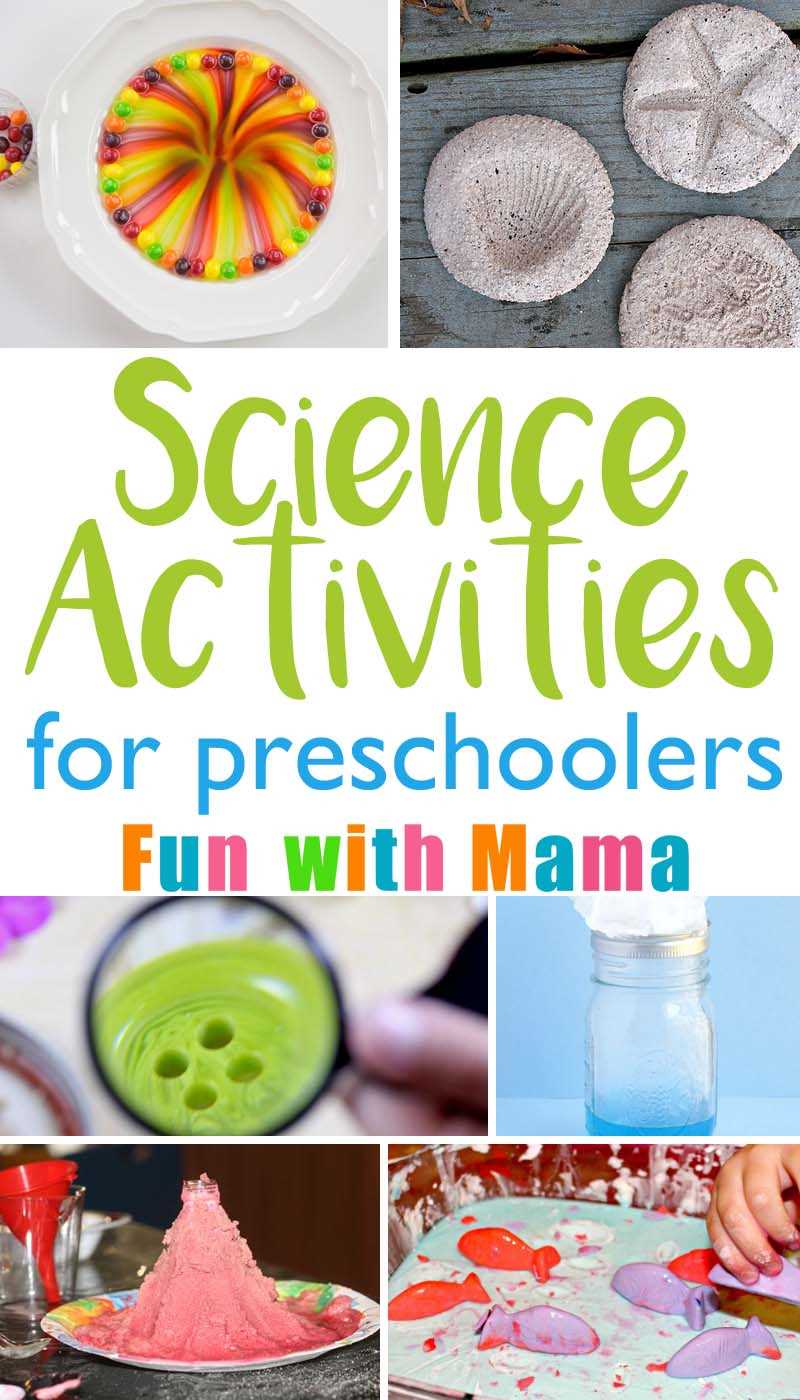
Introduce young learners to basic concepts like gravity or water cycles by creating simple experiments. Use materials they already know, such as toy cars and blocks, to explore motion and forces. A fun exercise involves rolling different objects down a ramp to observe how weight and shape affect speed. These types of tasks help build foundational knowledge of physical principles in a hands-on, engaging way.
Another way to spark curiosity is through basic gardening projects. Provide children with small pots, soil, and seeds to grow plants from scratch. This allows them to observe how living things grow, change, and depend on their environment. Activities like these make abstract biological processes much more concrete by involving all senses–sight, touch, and even smell.
Incorporating visual aids, like charts or diagrams, can greatly enhance a child’s learning. Create worksheets that help them track the growth of a plant or the stages of a butterfly’s life cycle. By filling in these charts, children not only develop a deeper understanding but also improve fine motor skills and learn to follow instructions.
Keep activities short and interactive. Young children have short attention spans, so creating simple tasks with immediate results is key to maintaining engagement. For example, color mixing experiments with basic kitchen supplies can introduce concepts of chemistry in a way that feels like play. These exercises allow kids to explore their environment while making learning fun and memorable.
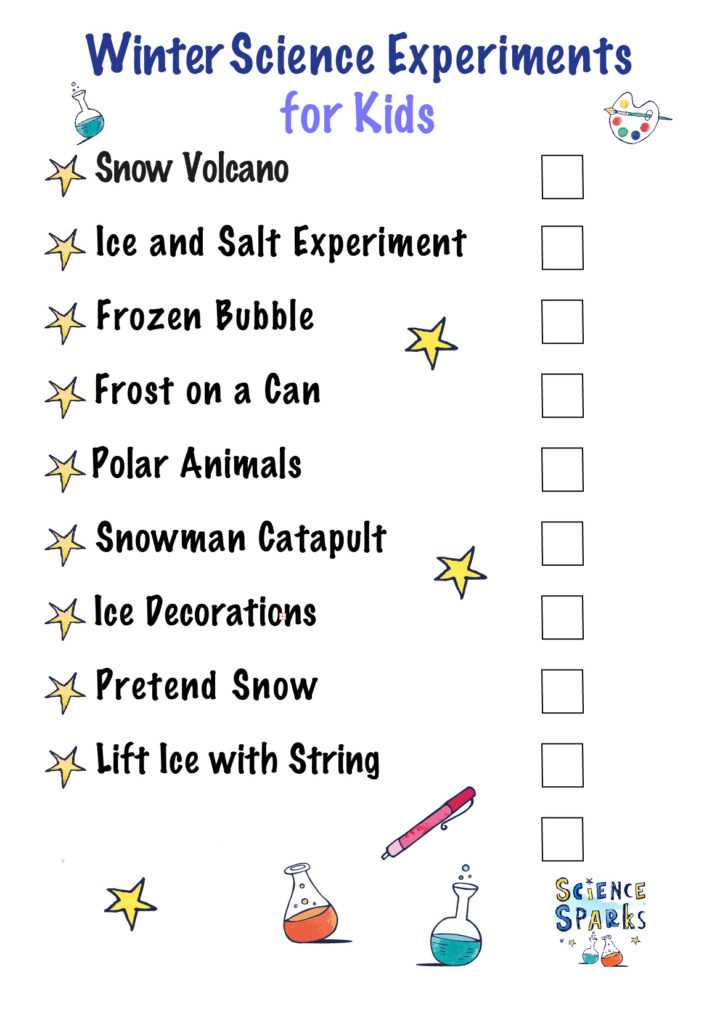
Simple Experiments to Introduce Basic Scientific Concepts
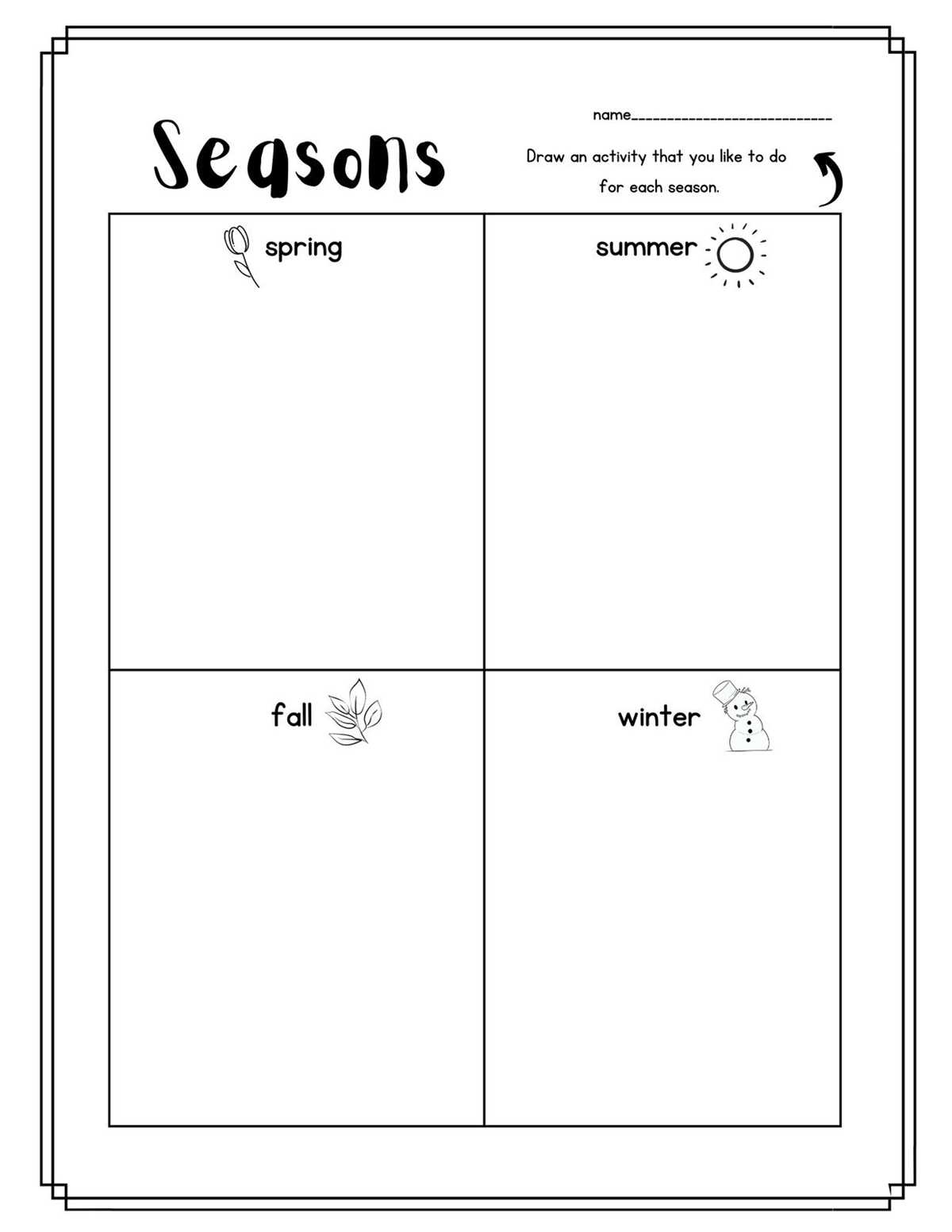
Start with the classic “sink or float” experiment using everyday objects. Fill a bowl with water and gather items like a spoon, a plastic toy, and a small rock. Ask children to predict which objects will sink or float, then test their hypotheses. This hands-on experiment helps young learners grasp the concepts of buoyancy and density.
Next, introduce the idea of chemical reactions with a simple baking soda and vinegar demonstration. Add a spoonful of baking soda to a cup and slowly pour in vinegar. Watch the fizzing reaction while explaining the process of how acids and bases interact. This experiment can be done repeatedly with different amounts of ingredients to show how variables affect the reaction.
To explore the concept of temperature, have children observe how different materials react to heat. Place an ice cube on various surfaces such as metal, wood, and plastic and watch how it melts faster on some surfaces than others. This simple test demonstrates how heat is absorbed by materials and how it changes their properties.

For a colorful activity, explore color mixing with primary colors. Use food coloring and cups of water to show how mixing red, blue, and yellow creates new colors. Children can experiment with different combinations and learn about color theory in a visual and engaging way. This experiment not only teaches basic color concepts but also sparks creativity.