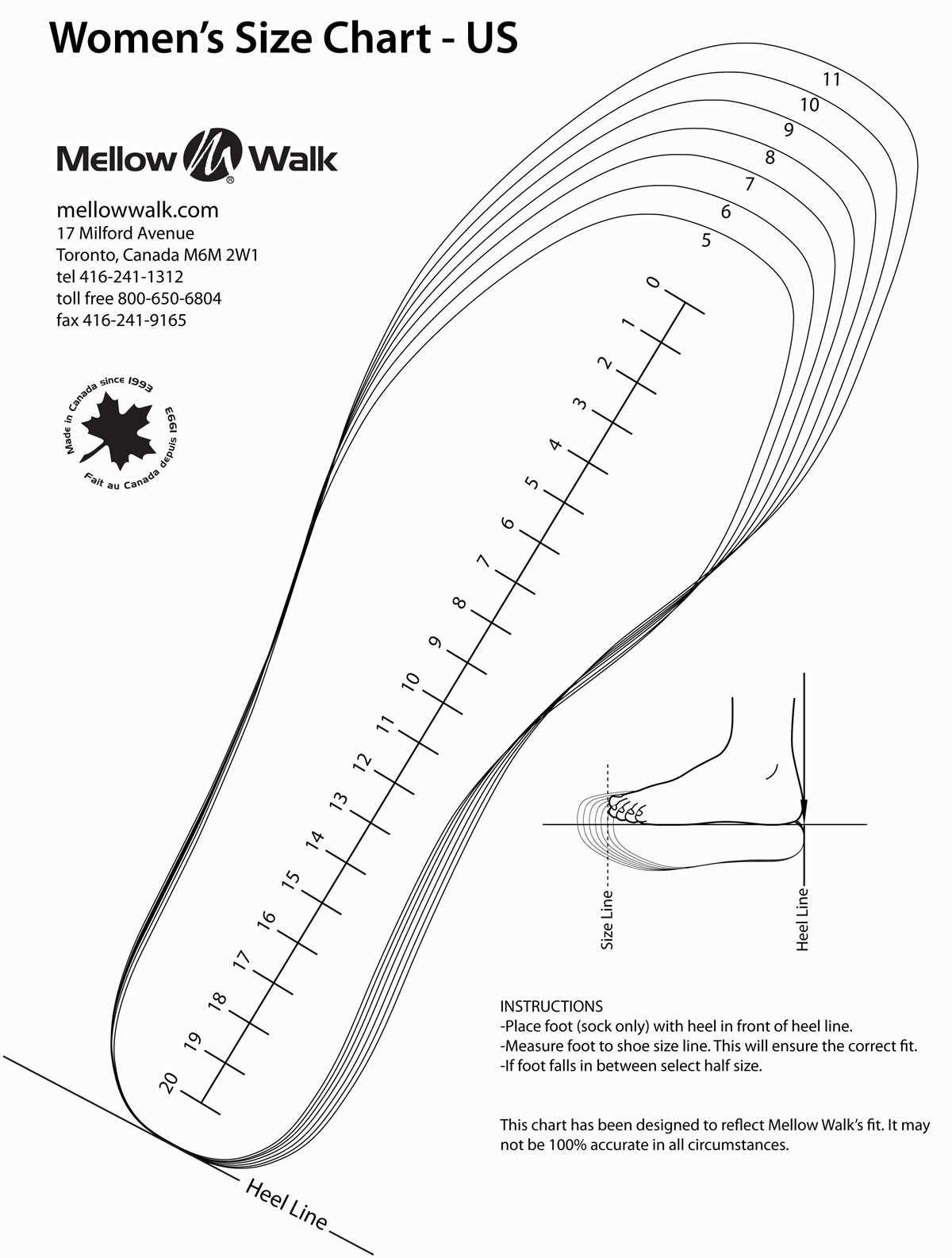
If you’re unsure about the correct fit for your footwear, taking precise foot measurements can prevent discomfort and save time when shopping. Use a simple method to gauge your foot length and width directly on paper without needing a specialist. Begin by printing out a well-calibrated chart designed to show exact dimensions. Once printed, ensure the scale matches the one indicated on the sheet. This will allow for accurate results when measuring your feet against the chart.
To measure, place your bare foot firmly on the printed guide. Make sure your heel is flush against the bottom edge, and your toes are aligned along the top. Mark the tip of your longest toe and the edge of your heel. Measure the distance between these points to get your foot length. For width, repeat the process across the widest part of your foot. For best accuracy, it’s helpful to do this in the evening, when your feet are slightly larger from standing throughout the day.
Keep in mind that different brands may have slight variations in sizing even with accurate measurements. If you’re between two sizes, it’s generally safer to go with the larger option to ensure comfort. This method eliminates the guesswork when shopping for shoes online and helps you choose the most fitting pair for your feet.
How to Use a Foot Measurement Guide for Accurate Fit
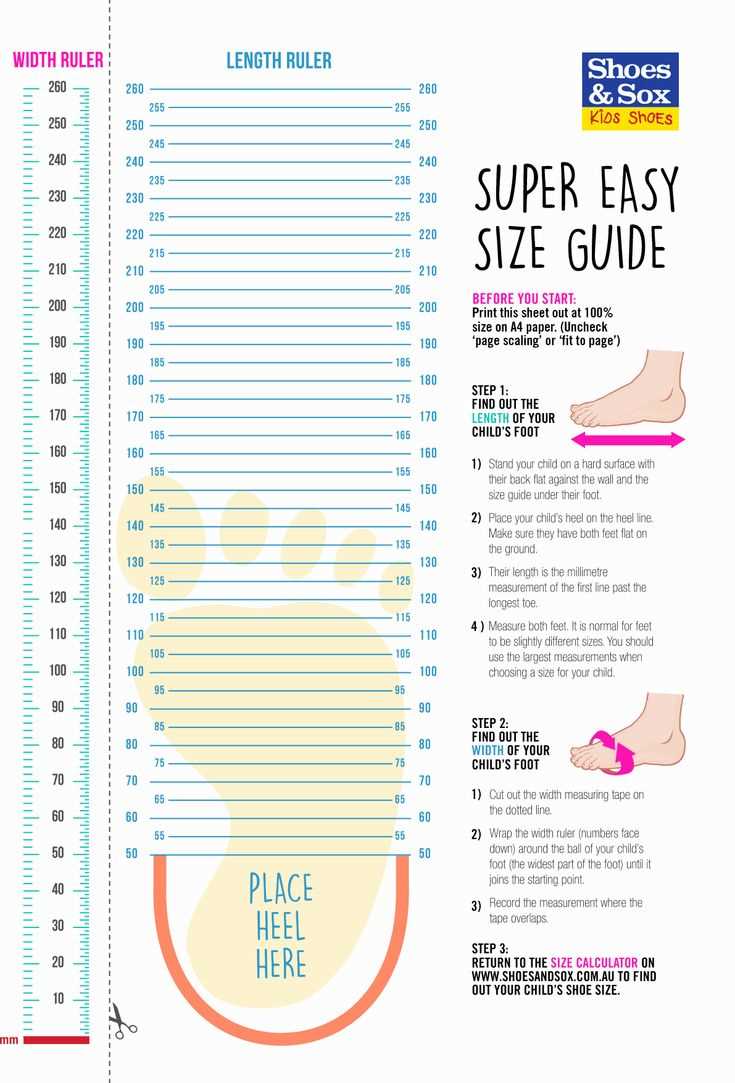
To get precise foot measurements, download or print a guide with correct scale indicators. Ensure that the size of the document matches the scale mentioned on the sheet. If the size is off, your measurements could be inaccurate. This is a common mistake when using these resources, so check twice before proceeding.
Place your bare foot flat on the printed guide, making sure your heel is aligned with the bottom of the chart. Position your toes at the top or edge of the designated area. Take care not to lift your foot or slide it, as this can distort the measurement.
Mark the end of your longest toe and the back of your heel. Use a ruler or measuring tape to measure the distance between these two points. This gives you the length of your foot. For width, you can repeat the process across the widest part of your foot for the most accurate result.
Use a pen or pencil to mark these points, but avoid pressing too hard, as it can create distortions. Also, consider measuring both feet, as one foot may be slightly larger than the other. Always use the larger measurement when selecting footwear.
Once you’ve gathered your foot length and width, cross-reference these values with the sizing chart for the brand or store you’re buying from. Keep in mind that each brand may have its own sizing standards, so a measurement from one retailer might not fit the same at another.
If you’re between two measurements, it’s safer to choose the larger size, especially for comfort. A well-fitting pair can reduce foot fatigue, prevent blisters, and make walking or standing much more comfortable.
It’s also helpful to measure your feet in the evening, as they tend to swell slightly throughout the day. This ensures that your measurements reflect your feet at their most common size.
For frequent online shoppers, using this method will streamline the process and minimize the risk of returns or exchanges due to improper fit. With an accurate measurement, you’ll be able to confidently choose the best footwear for your needs every time.
How to Print and Use a Foot Measurement Guide at Home
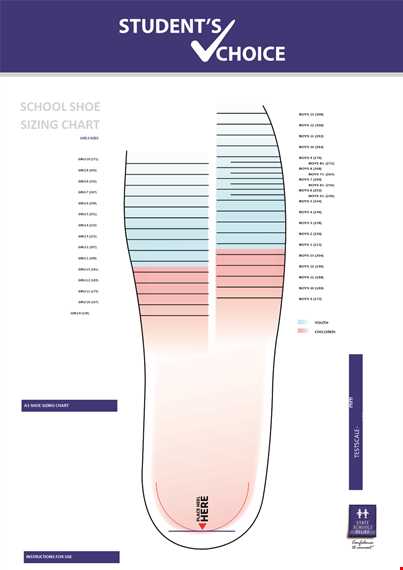
Begin by downloading the foot measurement guide from a trusted source. Ensure the guide is designed with a clear scale and instructions. Before printing, double-check that the scale of the image is set correctly, as even slight inaccuracies in scaling can lead to incorrect measurements.
Once printed, lay the guide flat on a hard, smooth surface. Position your bare foot on the printed chart with your heel against the bottom edge. Make sure your toes are aligned with the top of the template, and keep your foot as flat as possible to avoid distortion.
Use a ruler or measuring tape to mark the points where your longest toe and heel end. Measure the distance between these points, which will give you the length of your foot. Repeat the same process across the widest part of your foot to measure the width.
For the most accurate results, measure both feet and choose the larger measurement. This will help ensure a better fit, as one foot is often slightly bigger than the other. It’s also helpful to measure your feet at the end of the day when they are at their largest.
After recording your measurements, compare them to the sizing chart for the brand or store where you plan to purchase footwear. If the guide does not match the specific brand’s sizing, refer to their own chart to find the best match for your measurements.