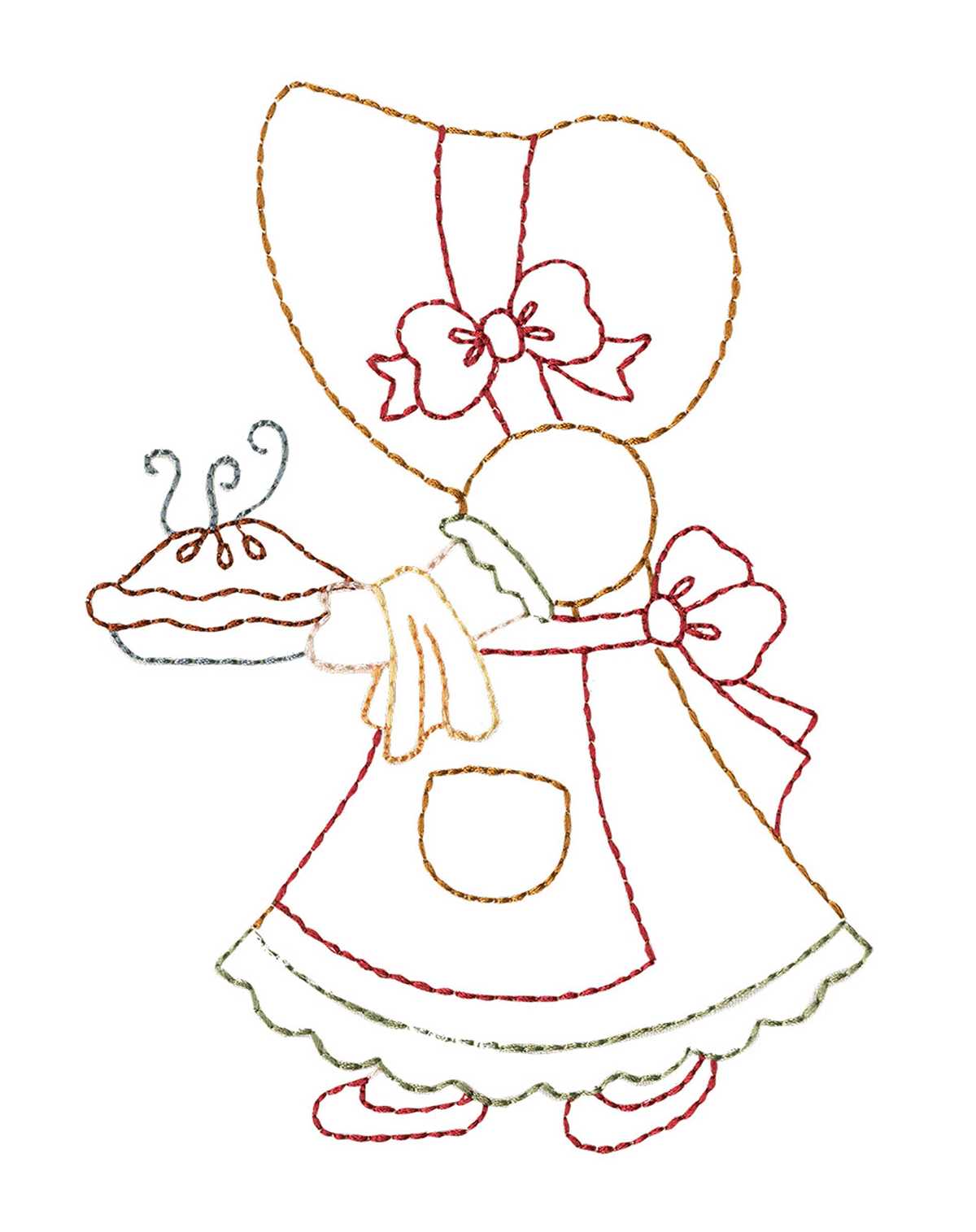
Select full-size template sheets that match common block measurements such as 6, 8, or 10 inches, then verify scale with a ruler before transferring shapes to fabric.
Motif Poses and Block Planning
Choose from walking, carrying baskets, or side-view poses to vary blocks across a quilt top. Alternating directions helps balance movement, while repeating the same pose suits border rows and table runners.
- Single-figure blocks for sampler quilts
- Mirrored poses for paired layouts
- Compact figures for sashing accents
Line Style and Piece Count
Simplified outlines reduce seam bulk. A set with 5–7 fabric pieces presses flatter than highly segmented drawings and speeds cutting.
Scaling and Fabric Preparation
Adjust output size by percentage to fit nonstandard blocks, then test on scrap cotton. Lightweight fusible web supports clean edges during stitching.
- Trace shapes onto fusible backing
- Rough-cut, fuse, then trim precisely
- Press seams toward the background
Color and Fabric Choices
Solid dresses and small-scale florals keep the figure readable. Neutral backgrounds highlight the silhouette, while darker tones ground the block visually.
Bonnet Girl Quilt Template Sheets for Applique
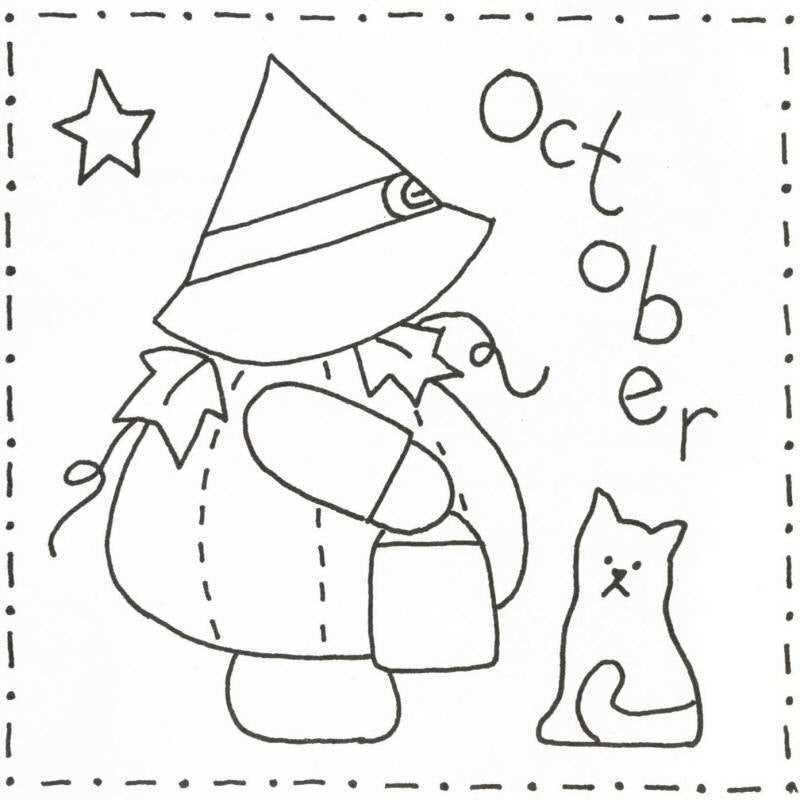
Choose template sheets sized to common block formats such as 6, 8, or 10 inches, then confirm scale with a ruler so the figure fits seam allowances without trimming after cutting.
Select poses with clear silhouettes for cleaner stitching; walking or basket-carrying figures read well from a distance and keep spacing consistent across rows.
Limit piece counts to five to seven fabric shapes to reduce bulk at overlaps and speed assembly, especially around the bonnet brim and skirt hem.
Transfer outlines onto lightweight fusible web, rough-cut first, fuse to fabric, then trim precisely to maintain smooth curves before stitching.
Use solid fabrics for clothing and small florals for accents, pairing them with neutral backgrounds to keep the figure distinct within the block grid.