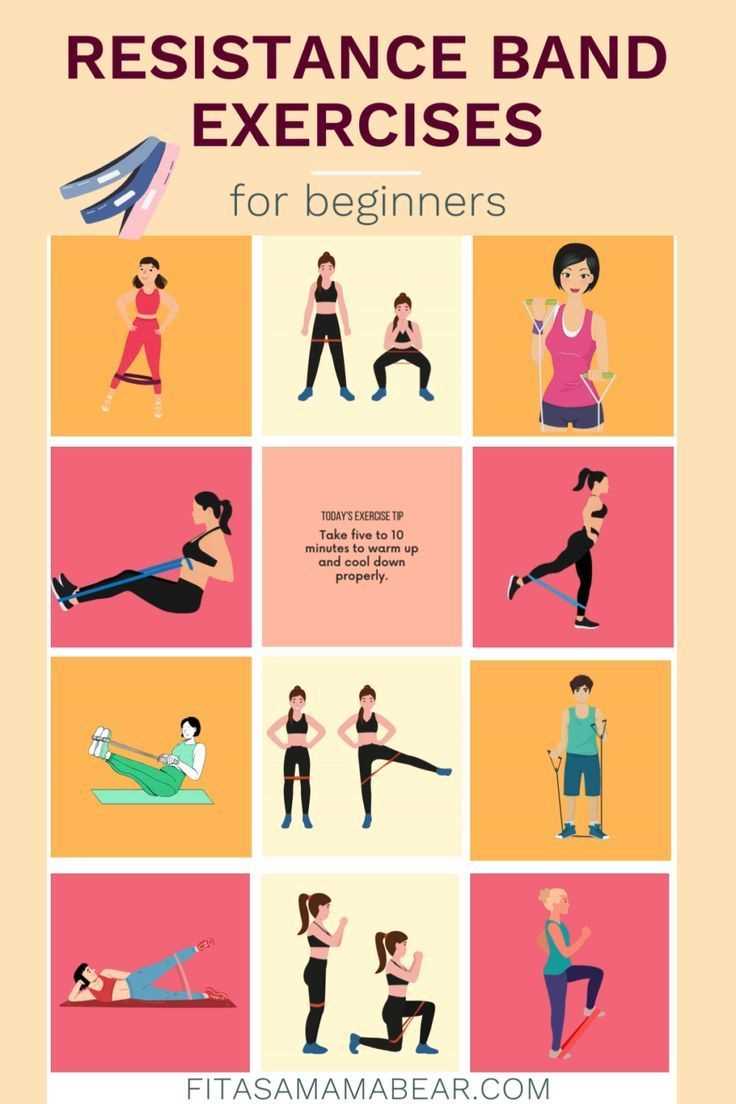
Start by setting up your suspension gear securely. Anchor it to a stable surface at the correct height to allow for full range of motion. Test the stability before beginning any exercises. Ensure your body weight is evenly distributed across both straps for balanced movement.
Focus on compound exercises targeting multiple muscle groups simultaneously. For example, try the single-leg squat to engage your legs, glutes, and core. This movement will enhance stability and build strength in your lower body. For a more advanced challenge, add a chest press with an unstable base to work your upper body and core.
Make sure to create a structured routine that includes both strength and flexibility exercises. Mix in dynamic stretches like hamstring curls and lunge rotations to improve flexibility and mobility. Tailor your routine based on your fitness level and goals. Customize the number of repetitions and rest intervals for each exercise to ensure gradual improvement over time.
Creating Custom Suspension-Based Exercise Plans
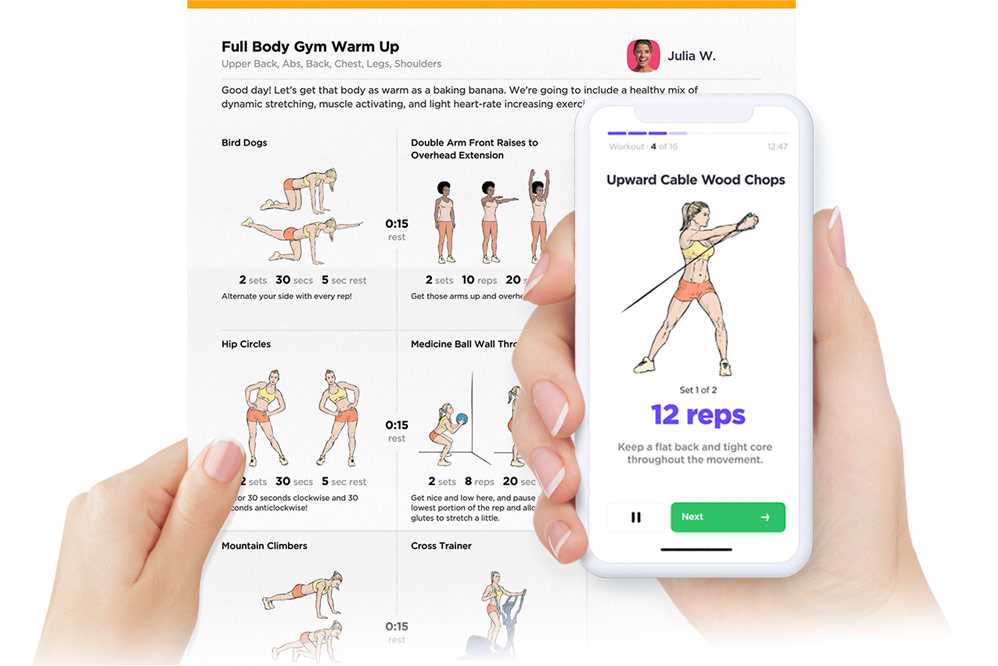
Start by printing a simple routine with clear instructions for each movement. For upper body work, incorporate exercises like chest presses and rows to target your arms, shoulders, and chest. For the lower body, include moves like single-leg lunges and glute bridges to engage the legs and core. Customize each session based on your current fitness level, adjusting the number of reps and sets accordingly.
Next, include flexibility-focused exercises such as hamstring curls and reverse planks. These movements will help lengthen the muscles and improve range of motion. Having a printed guide allows you to track your progress and switch up your routine to prevent plateaus. Regularly adjust the exercises to target different muscle groups and introduce new challenges, ensuring balanced development throughout your body.
How to Set Up a Suspension Trainer at Home
First, find a sturdy anchor point. It can be a door frame, beam, or overhead bar. Ensure the surface is strong enough to support your body weight, as improper installation can lead to injury. If using a door, opt for a door anchor that is specifically designed for this purpose. Always double-check the stability of the anchor before starting any exercises.
Next, adjust the length of the straps based on your height and the type of exercise. For example, if you’re working on lower body movements, set the straps so they’re closer to the ground. For upper body exercises, make sure the straps are higher, allowing your body to hang at an angle. Proper strap length will help target the intended muscle groups more effectively.
When positioning yourself during each movement, keep your body aligned. For exercises like rows and chest presses, your core should be engaged to maintain stability. Adjust the angle of your body based on the exercise: for more intensity, try leaning further back or lowering your body closer to the ground.
To increase workout variety, move your anchor point if possible. This allows you to switch between exercises targeting different muscle groups. If space allows, try securing the straps at various heights or angles for more complex moves, such as single-leg squats or pike push-ups.
Finally, test the setup regularly to ensure the equipment is secure. Even slight movement in the anchor or straps can compromise your form and lead to injury. After every session, inspect the straps for wear and tear, and adjust the anchor as necessary to maintain safety and optimal performance.