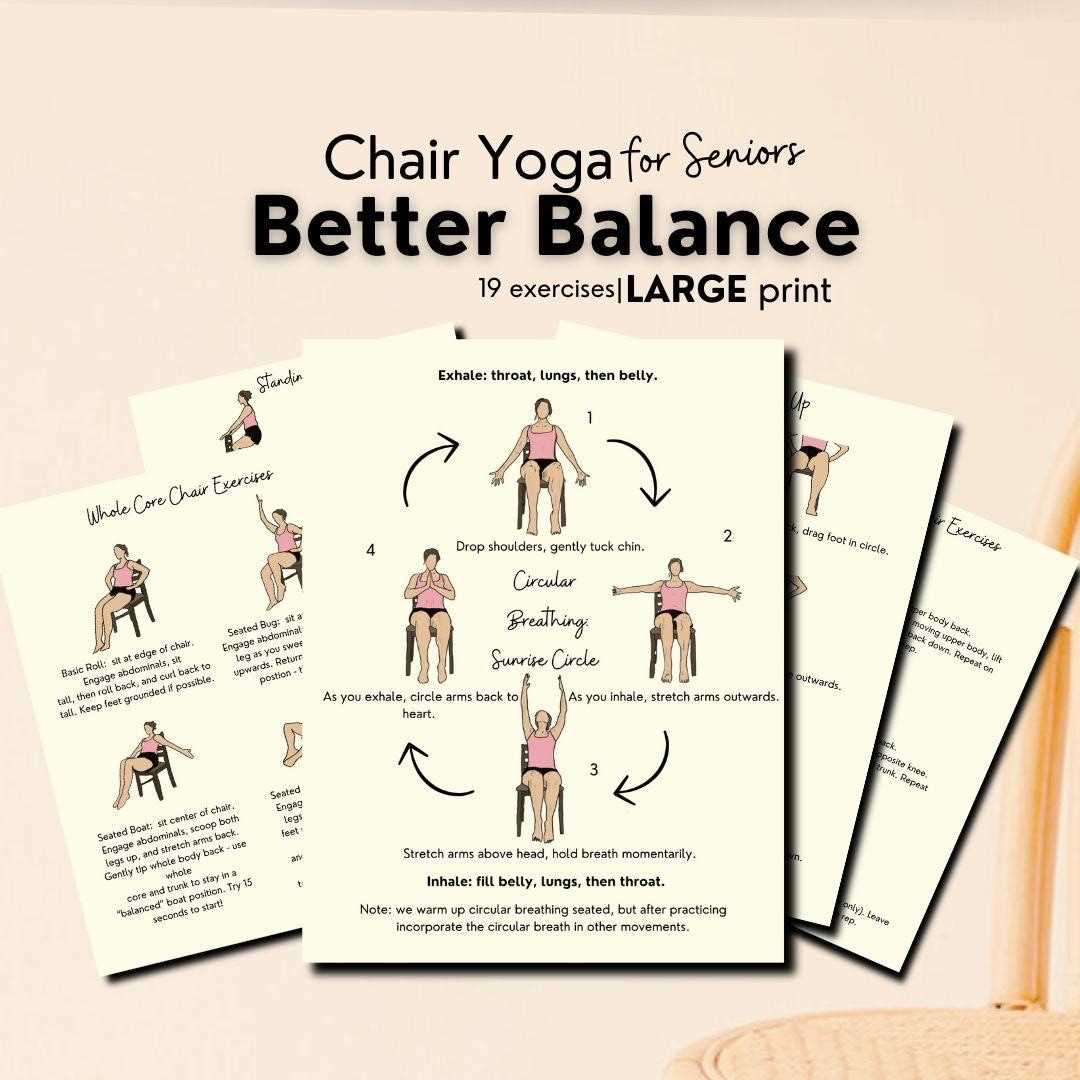
Keep a one-page movement diagram beside your training area and review it before each session to maintain correct order, spacing, and posture names without relying on memory alone.
What a Movement Diagram Should Contain
A well-prepared practice sheet shows the full sequence from opening stance to closing posture, arranged in clear reading order. Each position should be labeled with its traditional name and facing direction.
- Numbered positions to prevent skipping or repeating steps
- Arrows indicating weight transfer and turn direction
- Simple stick figures or silhouettes rather than detailed anatomy
- Short notes for breath timing and hand height
Use high-contrast lines and large spacing so details remain readable from several steps away.
How to Use a Practice Sheet During Training
Place the sheet at eye level during warm-up, then move it to the side once the sequence begins. This reduces pauses while still allowing quick checks between repetitions.
- Scan the full sequence before starting to set a steady pace
- Focus on three linked positions at a time rather than the full set
- Mark problem areas with a pencil for later review
Home Practice Setup
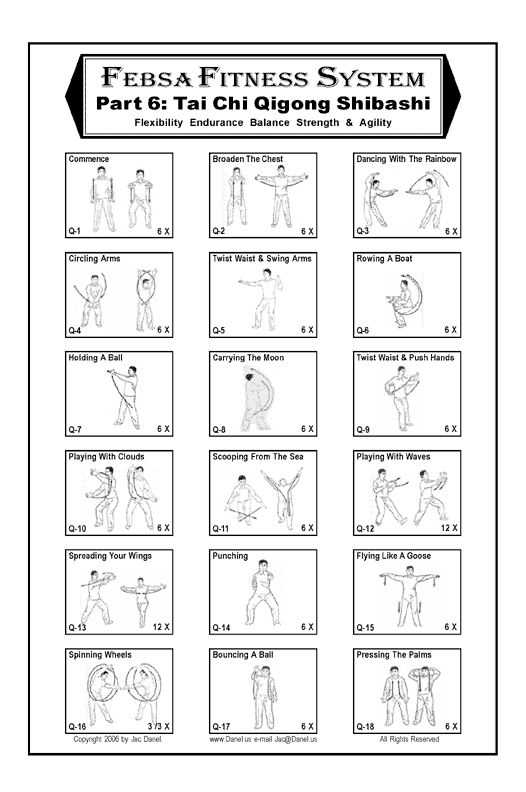
For small rooms, align the diagram with your main facing direction. This helps adjust turns without changing the original order of movements.
Group and Class Use
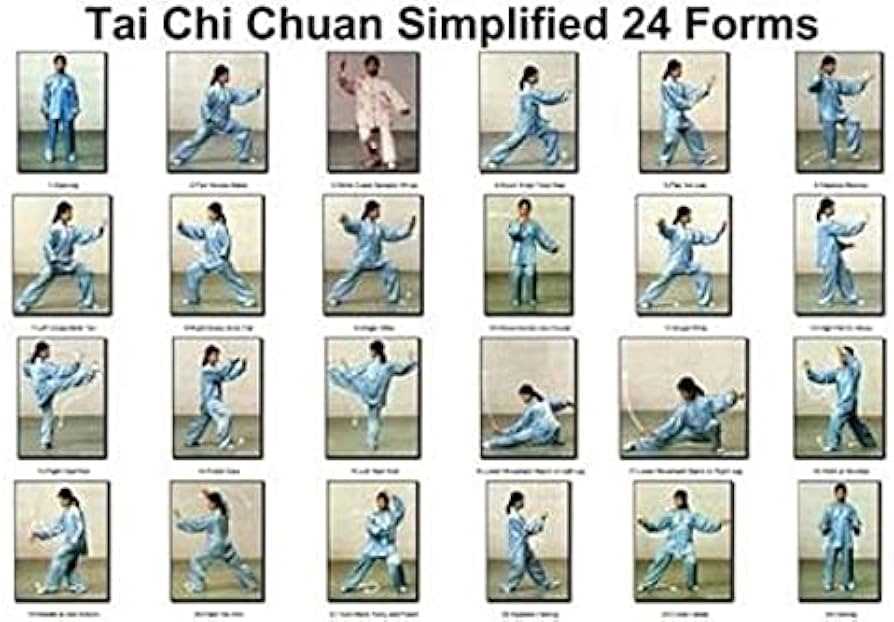
Instructors can hand out identical sheets so students follow the same reference. This reduces verbal cues and keeps attention on body alignment.
Updating Your Reference Sheet
Revise the layout as understanding improves. Replace text notes with symbols, or remove aids once positions become familiar, keeping the page clean and direct.
Paper-Based Sequence Guide for Learning and Practicing Forms
Place a paper-based sequence guide within arm’s reach and review the full order before each session to keep transitions accurate and spacing consistent. Choose a layout that shows numbered postures, facing angles, and weight shifts so errors become visible without stopping the flow.
Use the same reference during repetition drills by focusing on short segments of three to five positions, then linking them back into the full routine. Mark unclear turns or hand paths with pencil notes, update the sheet after instruction, and remove annotations once movements settle into memory.