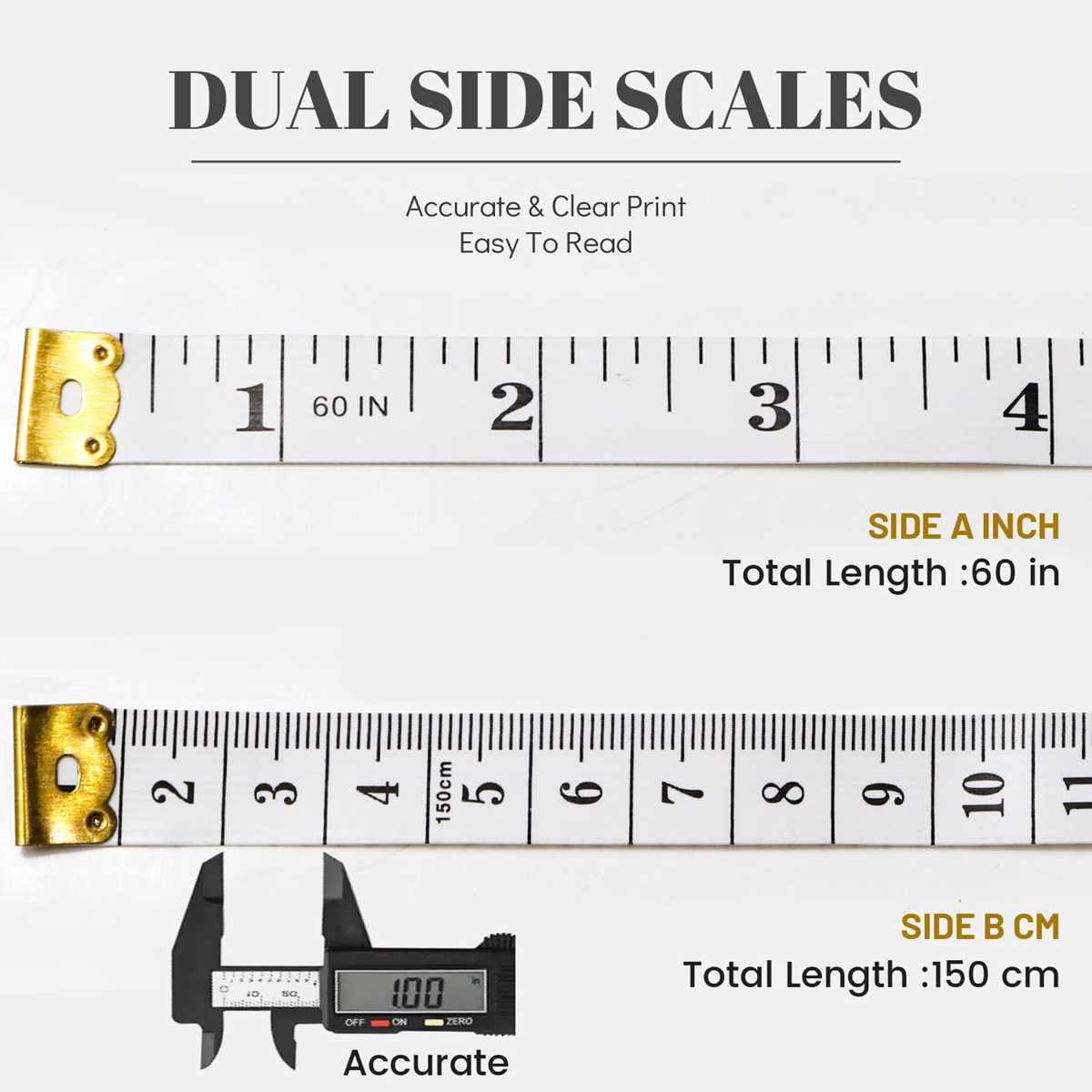
If you’re looking for a quick and reliable way to measure objects at home or on the go, a printable version of a length scale is a simple yet effective solution. By printing this tool directly on paper, you gain flexibility and convenience–no need for specialized equipment. The process is straightforward: just print the design from any standard printer and you’ll have a usable ruler for everyday measurements.
The design typically includes markers at regular intervals, which correspond to units commonly used for domestic tasks, such as furniture assembly, crafts, or small repairs. Be sure to print at the correct scale to maintain accuracy; even slight errors in printing can affect the precision of your measurements. Many templates allow you to check alignment with a standard ruler to ensure everything is perfectly sized.
To get the most out of this method, always use thick paper or laminate the printed version. This adds durability and ensures the ruler stays intact through frequent use. Whether you need it for a temporary project or as a backup tool, this printable alternative provides a practical solution without the need to invest in additional tools.
Accurate Measurement with a Paper Ruler
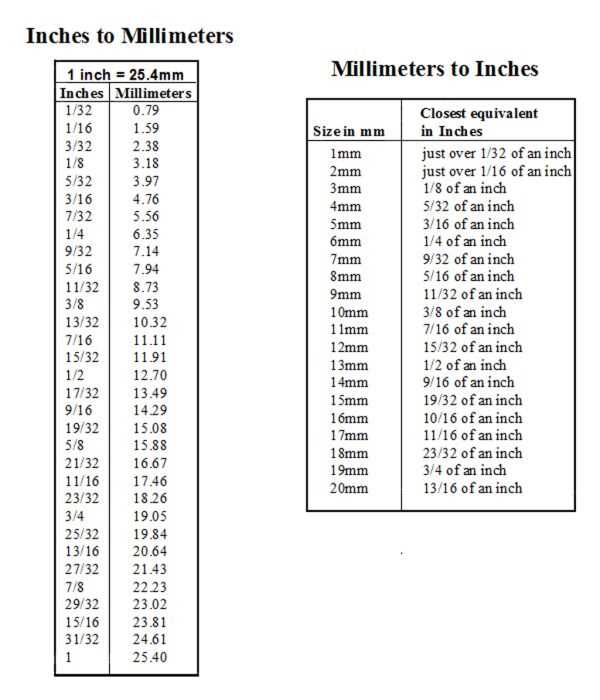
To create a reliable paper ruler, print a high-resolution image with exact proportions. Make sure the scale remains consistent across different devices or printers. Adjust printer settings for 100% scaling, ensuring there is no automatic resizing. A common issue arises when using default settings that shrink or stretch the image. Check the print preview before proceeding to avoid distortion.
When using your paper ruler for tasks like crafting or home repairs, carefully align the object along the printed scale. To ensure precision, use a straight edge for measuring longer distances. Consider using multiple segments and connecting them with small markers if the printed length is insufficient for your project. This method ensures consistent results even without a traditional measuring instrument.
For repeated use, laminate the paper version to maintain its durability. Regular handling can cause wear, so storing the ruler flat and away from direct sunlight will prevent it from fading. If you’re working with materials that might stretch or warp over time, take periodic checks with a digital instrument to verify accuracy.
How to Print a Measurement Scale in Inches at Home
To create a precise ruler on your own, choose a standard 8.5×11 sheet of paper. Use a printer capable of producing high-quality output to avoid distortions in measurements. Make sure the scaling option is set to 100%, as even slight deviations will affect the accuracy of the units.
Start by finding a reliable source for printable patterns or creating your own using any vector graphics software. Ensure the layout includes the main divisions and sub-divisions, such as quarter and eighth marks, to represent the common units used in everyday tasks. Double-check the proportions to confirm the result matches the real-world standard.
If you opt for software, design a simple strip with a straight line running across its length. Divide the space into consistent intervals. Many applications will allow you to control the exact length of each segment, which helps ensure it aligns with real-world expectations.
When preparing your page for printing, avoid using any form of scaling that could distort the measurements. If you’re using an online template, double-check the printer settings to confirm that the scale won’t change during printing. Some printers may automatically resize content, which can lead to inaccuracies.
- Set your printer to the actual size of the document without any resizing options.
- Test print a smaller version on a regular sheet to check the alignment before printing on your final paper.
If you are printing multiple copies, it’s wise to laminate the result for durability. Laminating the sheet not only protects it from wear but also makes it easier to use when measuring different objects around the house or workshop.
Finally, once the ruler is printed, measure a known object, like a credit card or standard sheet of paper, to check the accuracy of your printed scale. If everything checks out, you now have a handy measurement tool to keep on hand for projects or quick fixes around the house.