
Download a high-resolution PDF of the Lone Star banner at 300 DPI and print it at 100% scale to preserve the official 2:3 width-to-length ratio and correct panel proportions.
Accurate Design Specifications
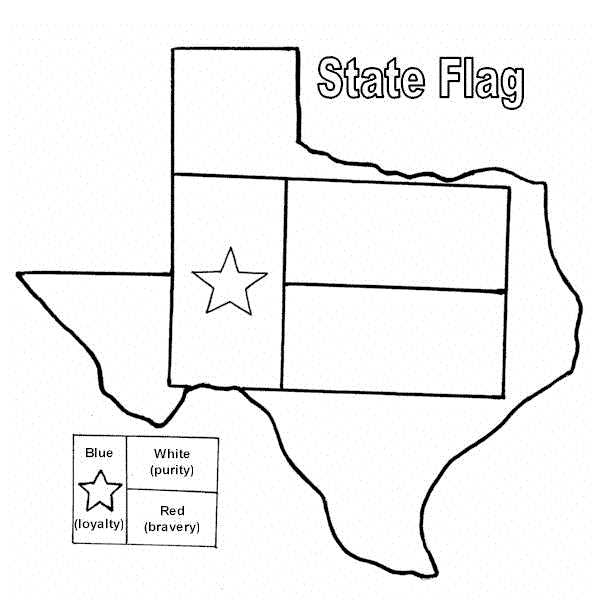
The design consists of a vertical blue field occupying one-third of the length, with horizontal white and red stripes filling the remaining two-thirds. The single five-pointed star is centered within the blue panel. Maintain equal stripe height, each taking half of the horizontal section.
- Ratio: 2 units height to 3 units length
- Blue panel width: 1/3 of total length
- Star orientation: one point facing upward
- Stripe order: white on top, red on bottom
For color accuracy, use RGB values close to: blue (0, 40, 104), red (191, 10, 48), and pure white (255, 255, 255). Avoid automatic color correction in printer settings.
Paper, Size, and Display Options
Select A4 or US Letter layout depending on region. For classroom posters, scale the file to A3 while keeping proportions locked. Use 120–160 gsm paper for wall mounting and 200 gsm cardstock for freestanding displays.
- Open the PDF in a viewer that supports true-size printing.
- Choose “Actual Size” instead of “Fit to Page.”
- Disable borderless stretch settings.
- Allow ink to dry flat for two minutes before trimming edges.
Educational Use and Labeling
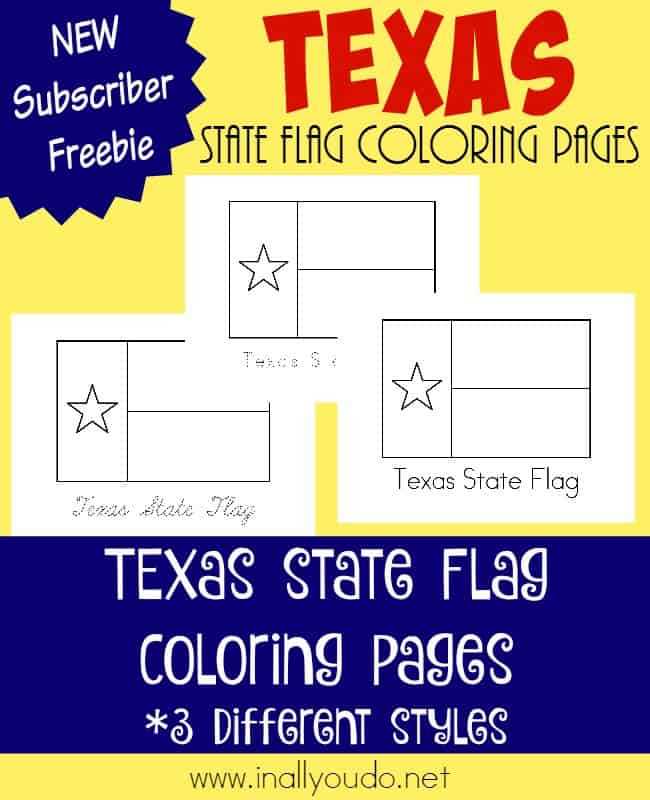
Add captions below the banner describing adoption year 1839 and symbolism of the lone star representing unity and independence. Pair the image with a short timeline of regional history for classroom boards.
Creating Mini Versions for Projects
Reduce scale to 50% or 25% for small handouts or craft activities. Laminate smaller copies for durability during repeated use in geography lessons or themed presentations.
Mounting and Preservation

Attach with removable adhesive strips to avoid wall damage. Store unused copies in flat folders away from moisture and direct sunlight to prevent color fading.
Printable Texas State Flag
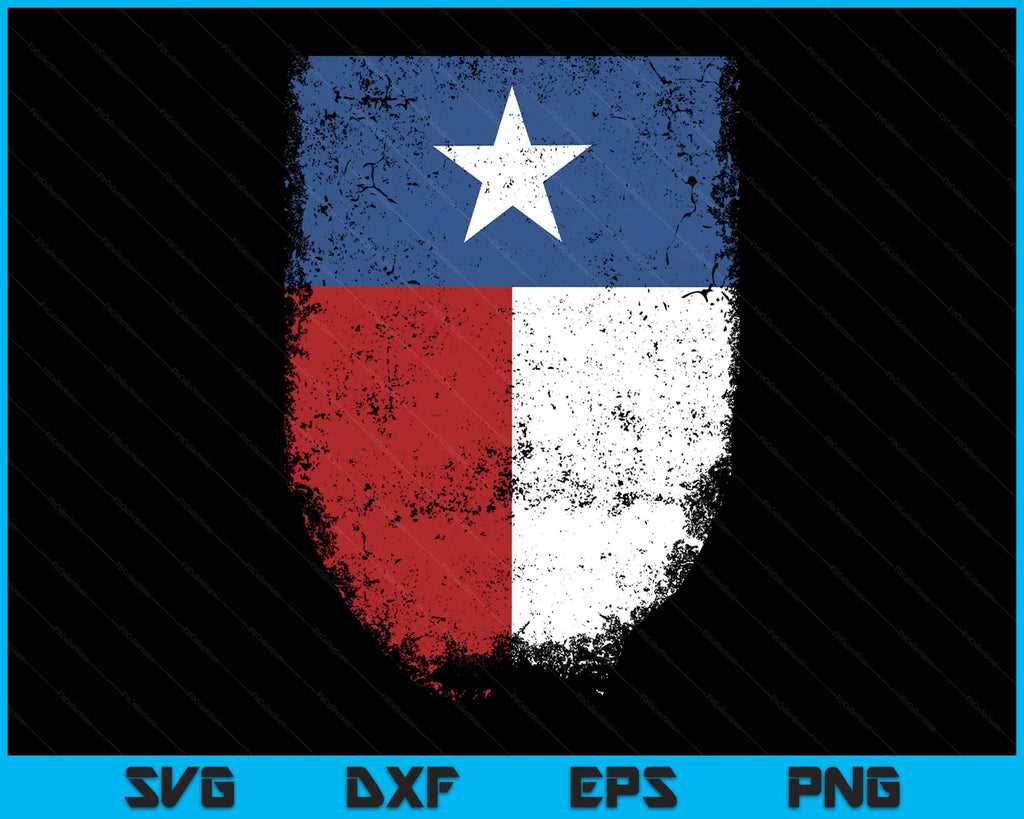
Download a 300 DPI PDF of the Lone Star banner and print it at 100% scale to keep the official 2:3 height-to-length ratio accurate and prevent distortion of the blue vertical field.
The design features a navy panel covering one-third of the total length, with two horizontal bands–white above red–occupying the remaining space. The five-pointed star must be centered in the blue section, with one point facing straight up and equal spacing from each edge.
Use RGB values close to blue (0, 40, 104) and red (191, 10, 48) for faithful color output. Disable automatic color enhancement in printer settings to avoid shifts toward purple or orange tones. Select “Actual Size” instead of “Fit” to maintain correct geometry.
Choose 120–160 gsm paper for wall display and 200 gsm cardstock for sturdier presentation boards. Allow ink to dry flat for at least two minutes before trimming margins with a metal ruler to achieve straight edges.
For classroom materials, scale the file to A3 while locking proportions. Smaller 50% versions work well for worksheets, geography projects, or historical timelines focused on the 1839 adoption year and the symbolism of unity represented by the single star.
Store unused copies in flat archival folders away from direct sunlight to prevent fading. Mount with removable adhesive strips to protect painted surfaces during exhibitions or themed events.