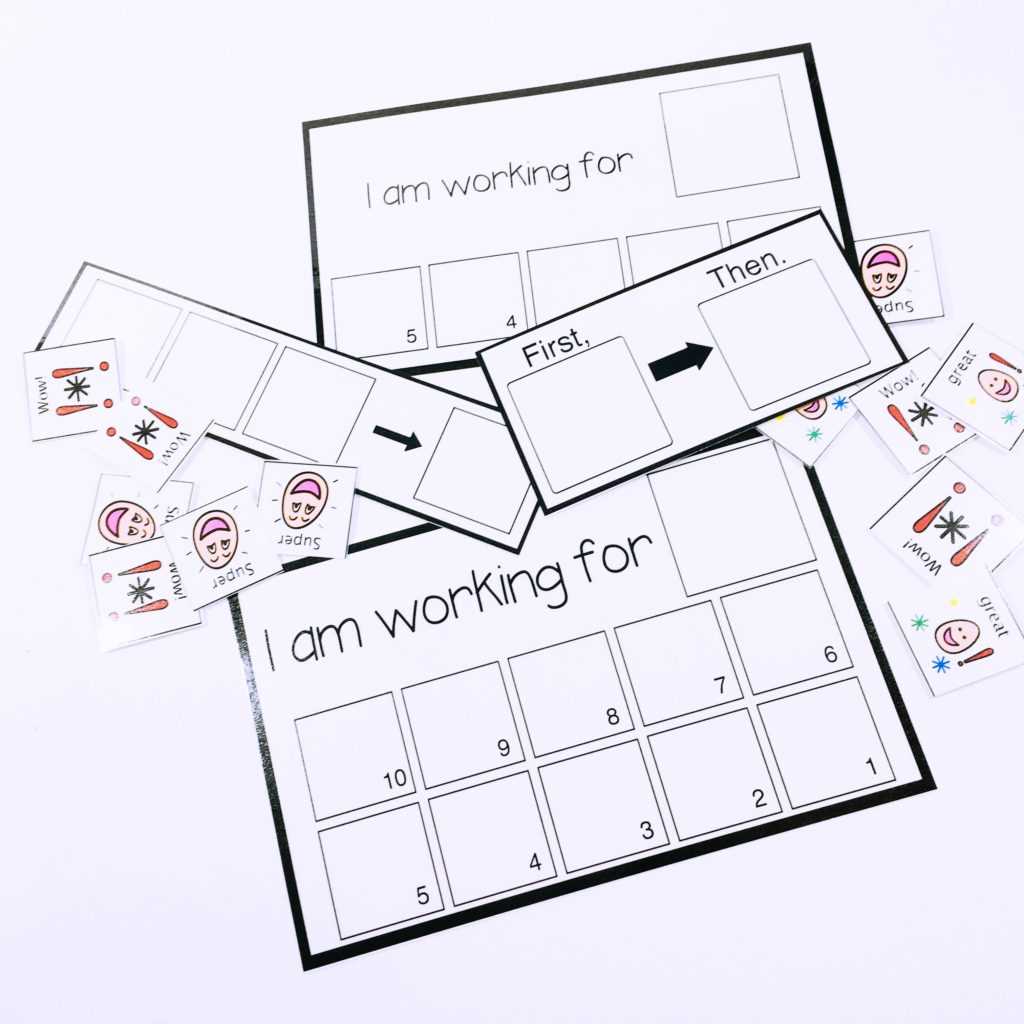
To successfully implement a reward-based system at home or in the classroom, start by clearly defining the behaviors or tasks you want to reinforce. Whether you’re working with young children or adults, understanding what actions will earn rewards is key. Begin by identifying manageable goals for each individual or group, focusing on easy-to-achieve targets that build motivation.
Once the goals are set, create a clear system for assigning value to each behavior. This may include using a chart or a visual system that tracks points or another form of recognition. For younger children, using images or objects as rewards can be especially effective. Ensure that these rewards are tangible and motivating to encourage continued participation.
It’s also important to regularly assess the system’s effectiveness. Track progress consistently to ensure that the rewards are motivating the desired behaviors. If the system seems ineffective, don’t hesitate to adjust the number of rewards, the types of tasks, or even the types of incentives being offered. A flexible approach can make all the difference in maintaining engagement and ensuring long-term success.
Printable Reward System
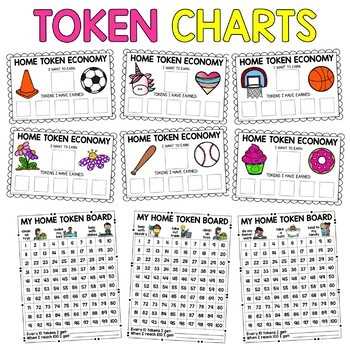
To create an effective reward system, clearly define the behaviors or tasks you wish to reinforce. Whether it’s completing homework, following instructions, or achieving personal goals, ensure the targets are attainable and specific. For younger participants, keep the expectations simple and measurable to maintain engagement.
Next, design a reward structure that assigns value to each desired action. For example, tasks like tidying up the room could earn a certain number of points, while bigger achievements like a completed project might result in more substantial rewards. Choose a format that is easy to track, such as a point chart or a series of checkboxes that visually represent progress.
To enhance motivation, offer rewards that align with the individual’s interests. Younger children might be motivated by stickers or extra playtime, while older children or adults might appreciate privileges like a special activity or access to their favorite items. Customize the reward to the person for better results.
Consistency is key to success in any reward-based system. Be sure to reward behaviors immediately after the action is completed. The quicker the reinforcement, the stronger the connection between the behavior and the reward. Use clear communication to reinforce why the reward was earned.
Regularly evaluate the effectiveness of your system. Are the participants staying motivated? If certain rewards lose their appeal or the system becomes too complicated, don’t hesitate to adjust it. Simplify the process or offer new rewards to refresh the experience.
For maximum success, ensure the system is flexible enough to accommodate changes. Life events or shifts in priorities may mean adapting the reward structure or switching goals. Keep the focus on positive reinforcement and allow room for growth and modification over time.
How to Design Reward Systems for Different Age Groups
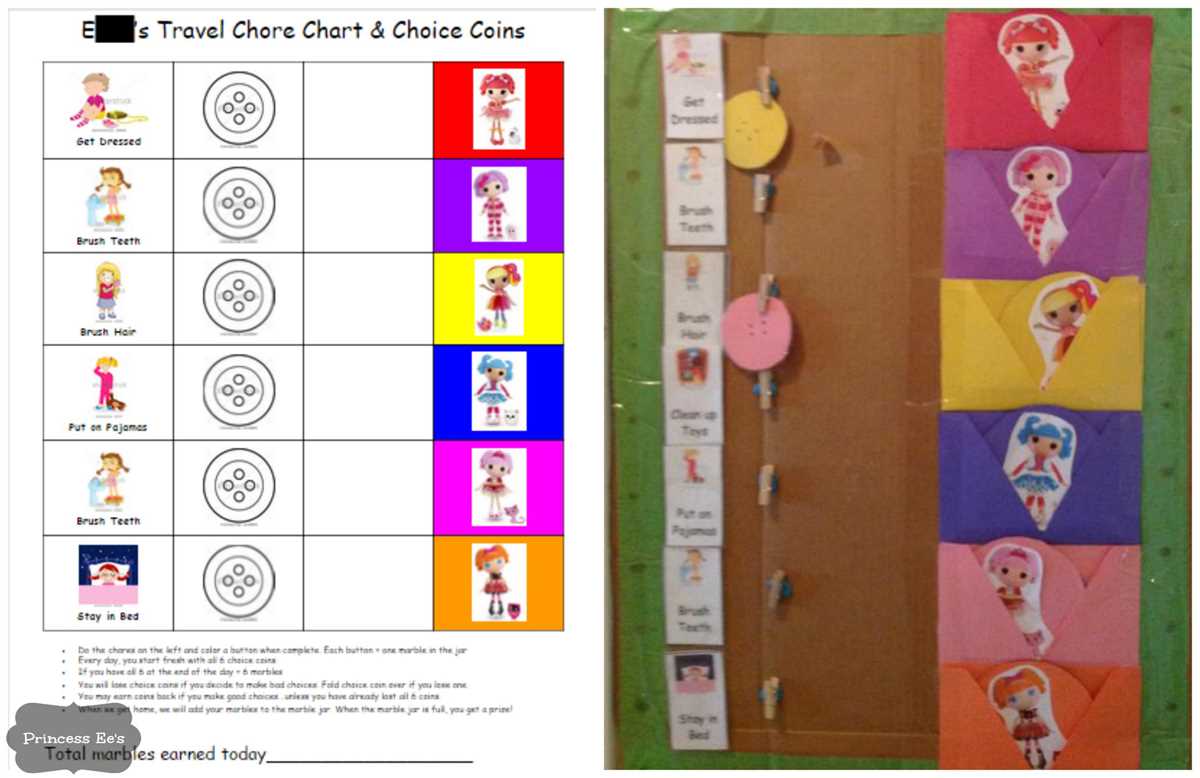
For younger children, use simple, visual cues to represent achievements. Stickers or colorful stamps work well to reward small tasks like cleaning up or completing a simple chore. Keep the rewards tangible and immediate to maintain engagement, as young children respond better to instant gratification.
As children grow older, the system should evolve to include more complex tasks and rewards. For elementary-aged children, consider using points or stars that accumulate over time, allowing them to “purchase” rewards once they’ve accumulated enough. This introduces the concept of delayed gratification and allows for a wider variety of rewards, such as extra playtime, screen time, or choosing a family activity.
For teenagers, involve them in the process by letting them select their own goals and rewards. A more sophisticated system can include larger milestones, like improved grades, personal achievements, or participation in extracurricular activities. They may prefer digital or app-based systems that track their progress and offer rewards such as gift cards, outings, or special privileges.
For adults, rewards may become more intrinsic, focusing on personal growth or productivity. Consider goal-setting systems that provide feedback and reward progress with self-improvement resources, such as books, classes, or personal time. Depending on the context, work-related rewards, like career development opportunities, can be a motivating factor.