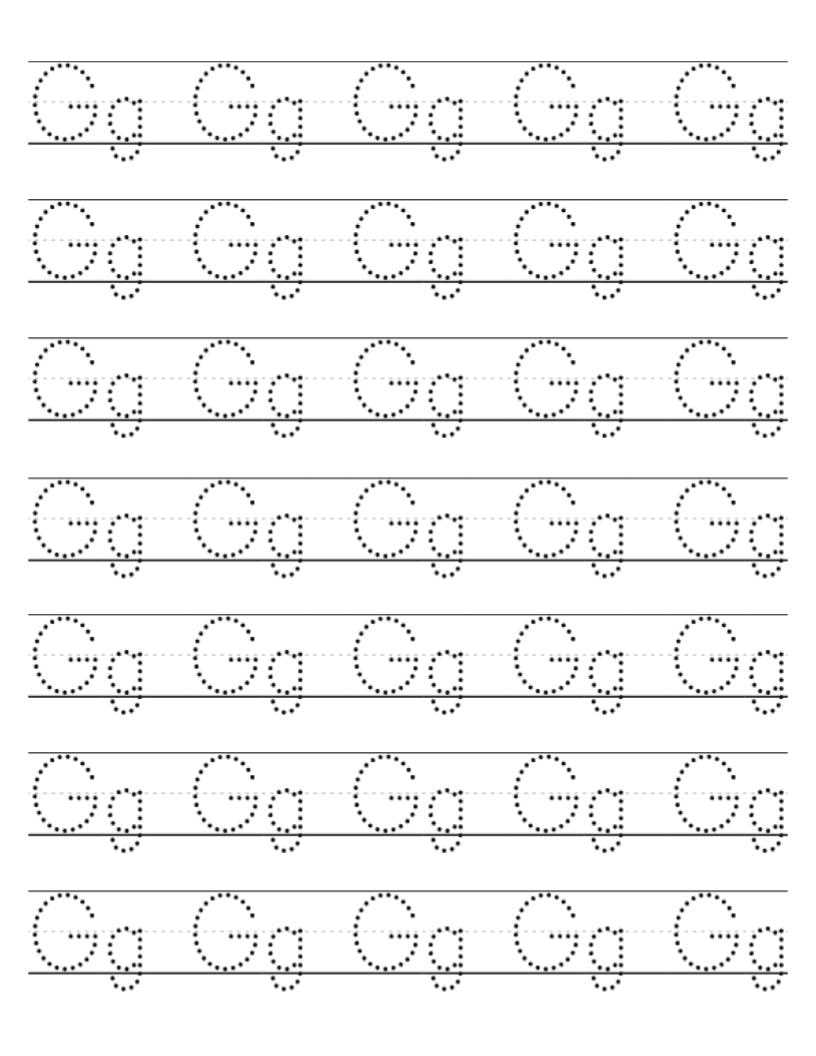
Start by selecting exercises with clear and simple patterns to practice basic motor skills. These activities help improve hand-eye coordination and build control over fine motor movements. For beginners, start with larger patterns that involve fewer connections, allowing the individual to focus on precision without feeling overwhelmed.
As skills improve, move to more complex designs that involve more intricate lines and finer details. This will help increase dexterity and enhance the ability to form smoother, more controlled shapes. Choose patterns that are both engaging and challenging, like cursive letters, numbers, or geometric designs, to keep the experience stimulating.
Choosing the Right Materials for Connecting Line Activities
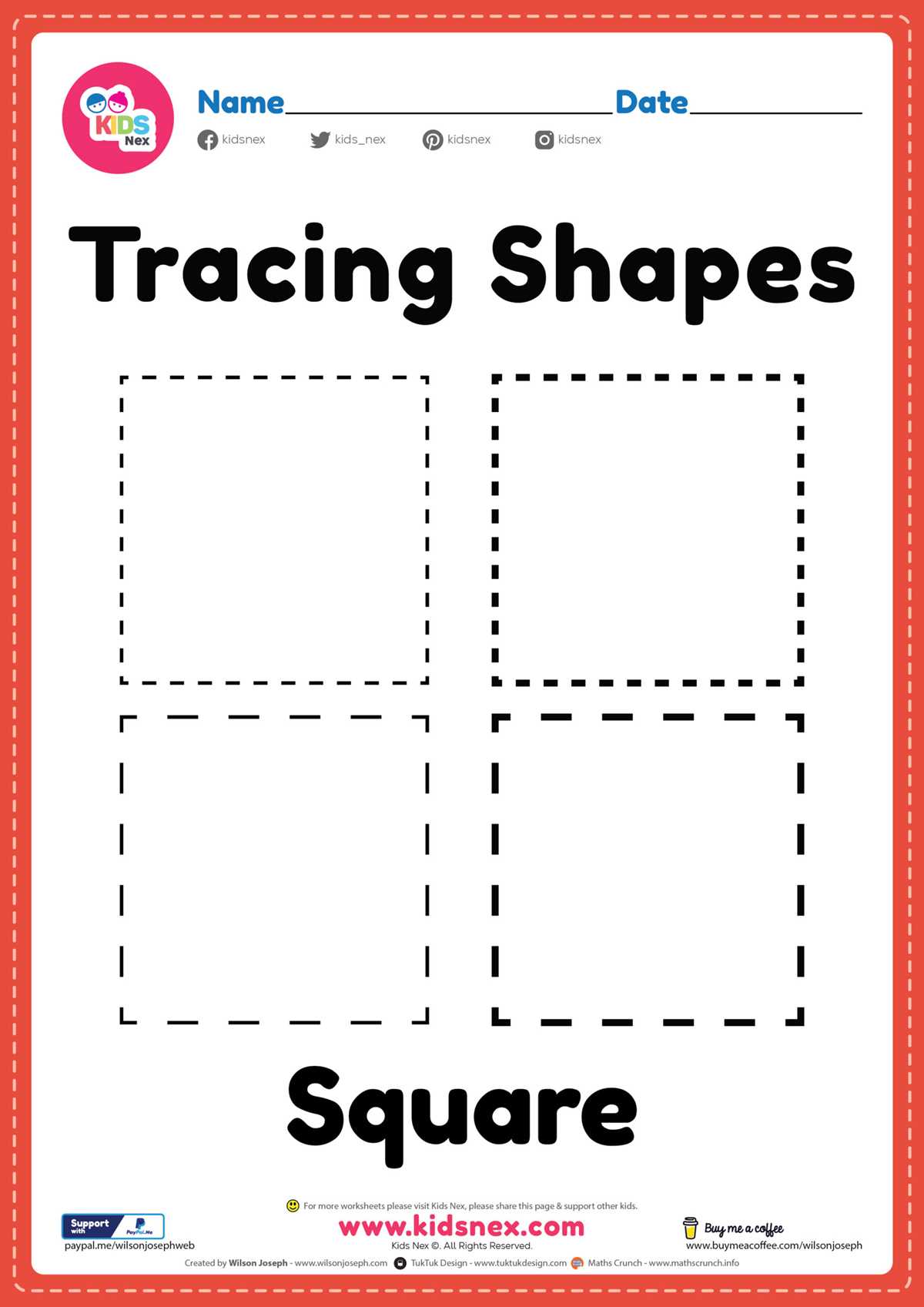
When preparing these exercises, opt for high-quality paper that will support repeated writing and erasing. Thick paper prevents bleeding from pens and provides a stable surface for more refined work. If you’re using a pencil, choose paper that doesn’t smudge easily, so each mark stays clear for easier tracing.
If you’re looking for a more durable option, use laminated sheets or thick cardstock. These can be reused multiple times, which is ideal for long-term practice or for younger learners. Laminated surfaces allow for dry-erase markers, making it simple to clean and reuse each exercise sheet.
Tips for Effective Practice with Connecting Line Exercises
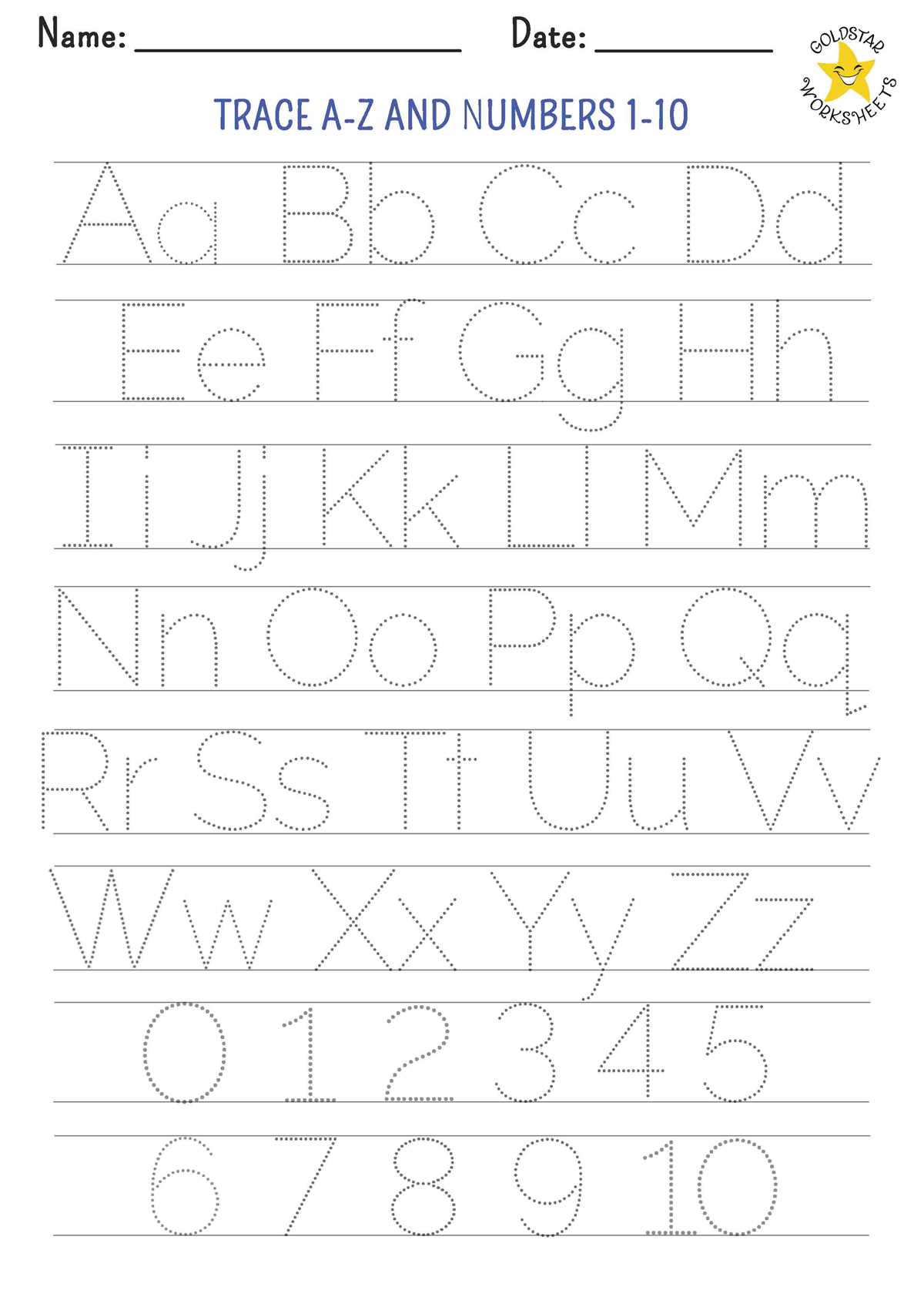
To make the most out of these exercises, focus on slow and deliberate movements. Encourage regular practice sessions of 10-15 minutes, gradually increasing the complexity of the patterns as the learner becomes more comfortable. Consistency is key for building muscle memory and achieving smoother, more controlled writing.
Additionally, make sure to keep the hand relaxed and avoid over-gripping the pen or pencil. A relaxed grip allows for greater flexibility and fluidity in each line. Use a ruler or guide to help maintain straight lines for more advanced exercises, especially when practicing precision and neatness in each form.
How to Use Practice Sheets for Developing Handwriting Skills
For beginners, opt for simple exercises that involve basic lines, shapes, and letters. These activities allow users to build the necessary muscle memory for forming controlled strokes. Starting with large, clear designs ensures that focus remains on accuracy and consistency rather than complexity.
As you progress, incorporate more complex patterns with finer details. This challenges fine motor skills and encourages greater dexterity in writing. Designs that include curves and loops, such as letters and numbers, are ideal for improving fluidity in writing motions and helping learners move beyond basic forms.
To get the best results, use thicker paper that won’t tear easily, especially when using pencils or markers. A sturdy material allows for clean lines and smooth movement without worrying about smudging or damaging the surface. If you’re practicing repeatedly, laminated or coated sheets work well, offering durability and easy cleaning.
For even greater precision, use tracing guides or grids as a reference. These tools help maintain consistent spacing and alignment, which is particularly important when learning to write letters and numbers in a standardized format. With grids, the learner can follow a more structured approach, reducing the chance of irregular spacing or uneven strokes.
Ensure that each practice session is brief but consistent, focusing on one particular aspect at a time. Concentrating on one skill, such as perfecting curves or straight lines, improves performance without overwhelming the learner. Consistent, daily practice leads to gradual improvement and confidence in writing skills.
To keep learners engaged, vary the themes of the exercises. Try incorporating fun designs like animals or objects that match the learner’s interests. These small adjustments can make the practice feel less like a chore and more like an enjoyable activity, fostering greater interest in continuous practice.