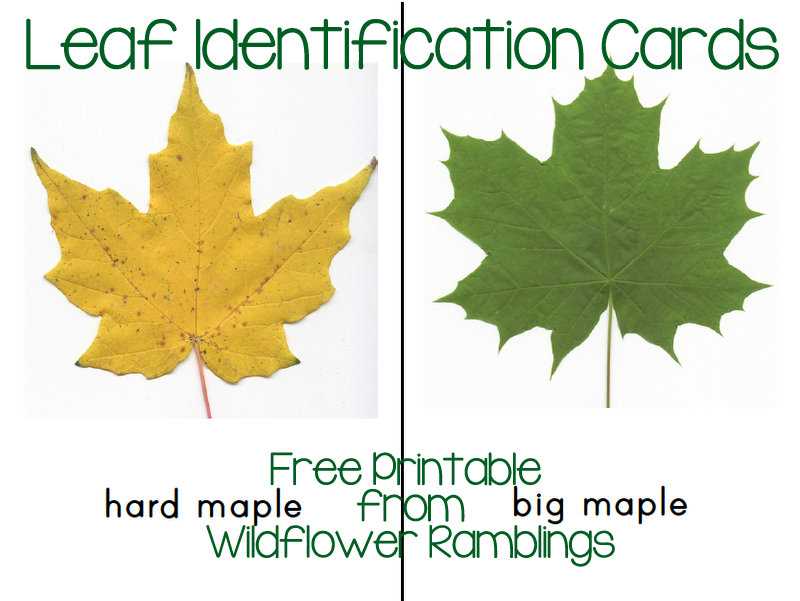
For anyone keen on pinpointing various outdoor vegetation, this reference sheet offers quick access to reliable markers for distinguishing individual species. With attention to features such as shape, color, texture, and size, the visual cues provided will help you swiftly identify common types of plants in your surroundings.
Focus on leaf form first–whether it is simple or compound–before evaluating the margin edges, veins, and the arrangement of the parts. Pay attention to the seasonal changes in color and the specific features that become evident during different times of the year. This systematic approach will guide you to accurate conclusions and reduce the guesswork often involved in plant classification.
Along with these physical markers, environmental context plays a role too. The habitat of each species–whether it thrives in wet conditions or more arid environments–can be a strong indicator. Utilizing this guide will streamline your outdoor exploration, allowing for efficient recognition of the plants you encounter.
Effective Guide to Identifying Foliage by Shape and Features
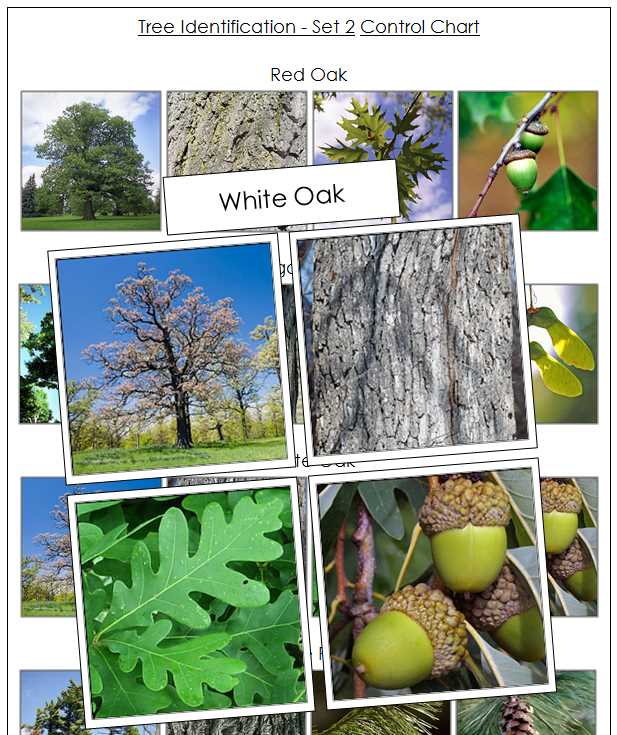
For accurate species identification, examine the shape, size, and texture of the foliage. Each plant produces distinct characteristics based on its environment and genetics. Pay close attention to the edges of the blade–whether they’re serrated, smooth, or lobed. These small details can quickly narrow down the possibilities, especially when combined with other traits like color and vein patterns.
Start by noting the arrangement of the leaves. Are they clustered on opposite sides or alternate on the stem? This simple feature can be a major clue. For example, opposite arrangements are commonly found in maples and ash, whereas alternate patterns often indicate oak or birch. Include any noticeable stipules or petioles that might offer further distinction.
Another key aspect is the texture and surface of the foliage. Some plants, like poplars or willows, may have smooth, waxy surfaces, while others, such as oaks, can be rougher or fuzzy. Feel the surface if possible; the degree of fuzziness or slickness can indicate the species’ growing conditions and family.
Color plays a pivotal role as well. While greens are typical, be on the lookout for subtle hints of red, yellow, or purple, especially during seasonal changes. Some species, like red maples or sugar maples, exhibit distinctive colors that make identification easier during the fall. Record both the front and back sides of the leaf, as the underside may reveal unique venation patterns.
To streamline the process, you can create a list of the most common local species. Prioritize features like leaf shape, size, and color variation. When in doubt, use online resources or consult experts to refine your guesses. With consistent practice and observation, the task becomes quicker and more intuitive over time.
How to Choose the Right Size and Format for Your Printable Guide
For maximum clarity, select a layout that fits the purpose of your reference. Opt for letter size (8.5 x 11 inches) for a compact, easy-to-handle option, ideal for casual use and storing in binders. If you’re looking for something more portable, a half-size (5.5 x 8.5 inches) can be convenient, but ensure the font is large enough to be readable in smaller formats. For detailed or high-contrast images, larger sizes such as 11 x 14 inches will enhance readability and provide more space for identifying key features.
Consider the format of your document carefully. A single-page layout is best for a simple, quick reference that doesn’t overwhelm the user. However, if more space is required for showing different stages of identification or additional notes, a multi-page guide may be better. Ensure the format is user-friendly–consider whether the printout will be used outdoors or indoors, and whether the user will need to carry it with them frequently.
Lastly, think about the orientation of the document. Portrait orientation works well for guides with detailed explanations and lists, while landscape layout is more suitable for visual-heavy references, as it allows for wider images and easier comparison. Choose based on how much visual space each element requires and whether you want the guide to be easy to fold or to lay flat for ease of use.