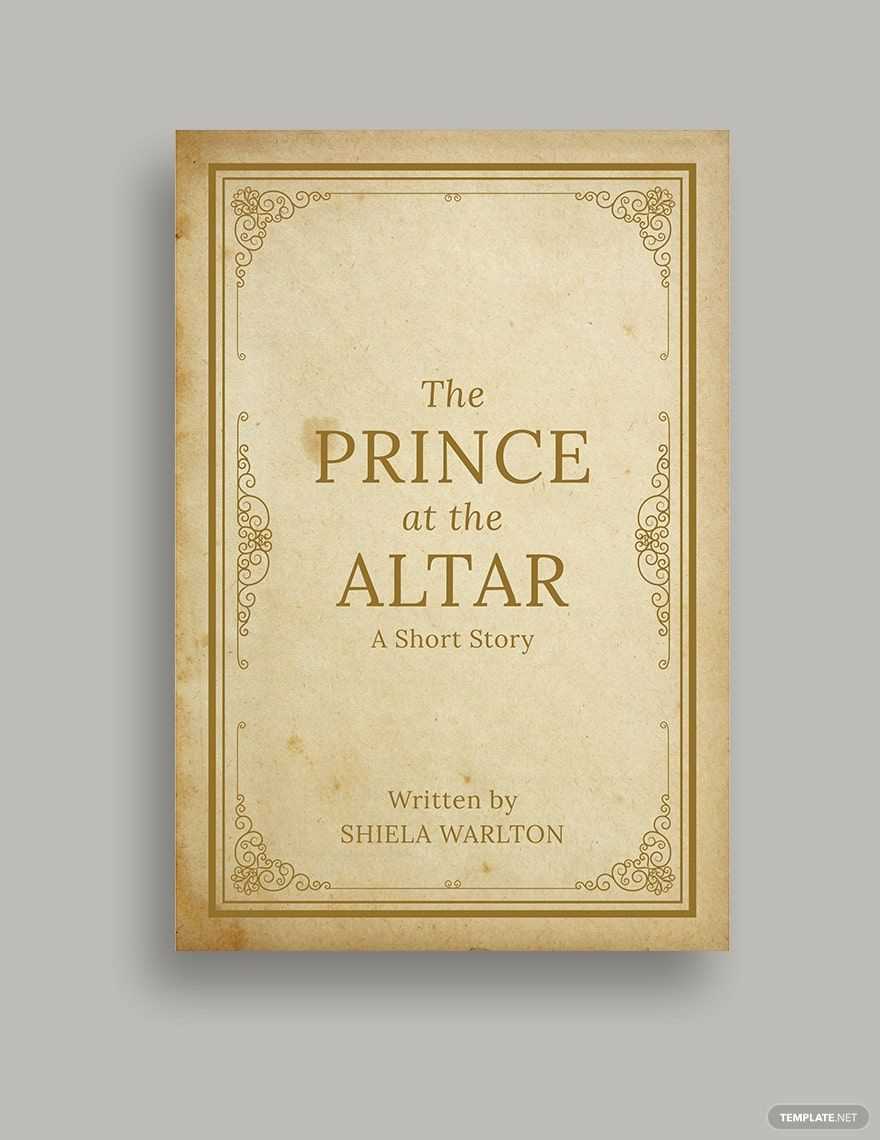
Download high resolution aged paper scans at 300 DPI or higher to preserve sharp serif typography and natural paper texture when printing at home. Choose files in PDF or TIFF format sized to 8.5×11 inches or A4 to avoid scaling issues.
How to Select Authentic Looking Antique Paper Designs
Check for visible grain, uneven ink saturation, and slightly darkened edges that replicate paper oxidation. Avoid flat beige backgrounds; realistic designs include subtle stains, foxing marks, and irregular margins. Files should offer at least 2480×3508 pixels for clean results on standard letter size.
Look for classic typefaces common in 19th and early 20th century literature, such as old style serif fonts with long descenders and narrow spacing. Decorative chapter headers, engraved illustrations, and numbered sections add credibility to the design.
Printing and Craft Applications at Home
Use matte paper between 24 lb and 32 lb weight for a sturdy feel without printer jams. For a more authentic appearance, select ivory or cream stock instead of bright white. Set printer scaling to 100% and disable automatic color correction to maintain the original tone.
These antique paper sheets work well for:
- Junk journals and memory albums
- Decoupage on wooden boxes and trays
- Handmade greeting cards and tags
- Collage art and mixed media backgrounds
Lightly distress the edges with fine sandpaper or ink blending tools to create depth. A diluted brown ink wash applied with a sponge adds age without oversaturating the surface.
Store digital files in organized folders labeled by theme, language, or typography style to speed up future projects and maintain consistent aesthetics across your crafts.
Antique Style Paper Sheets for Craft Projects
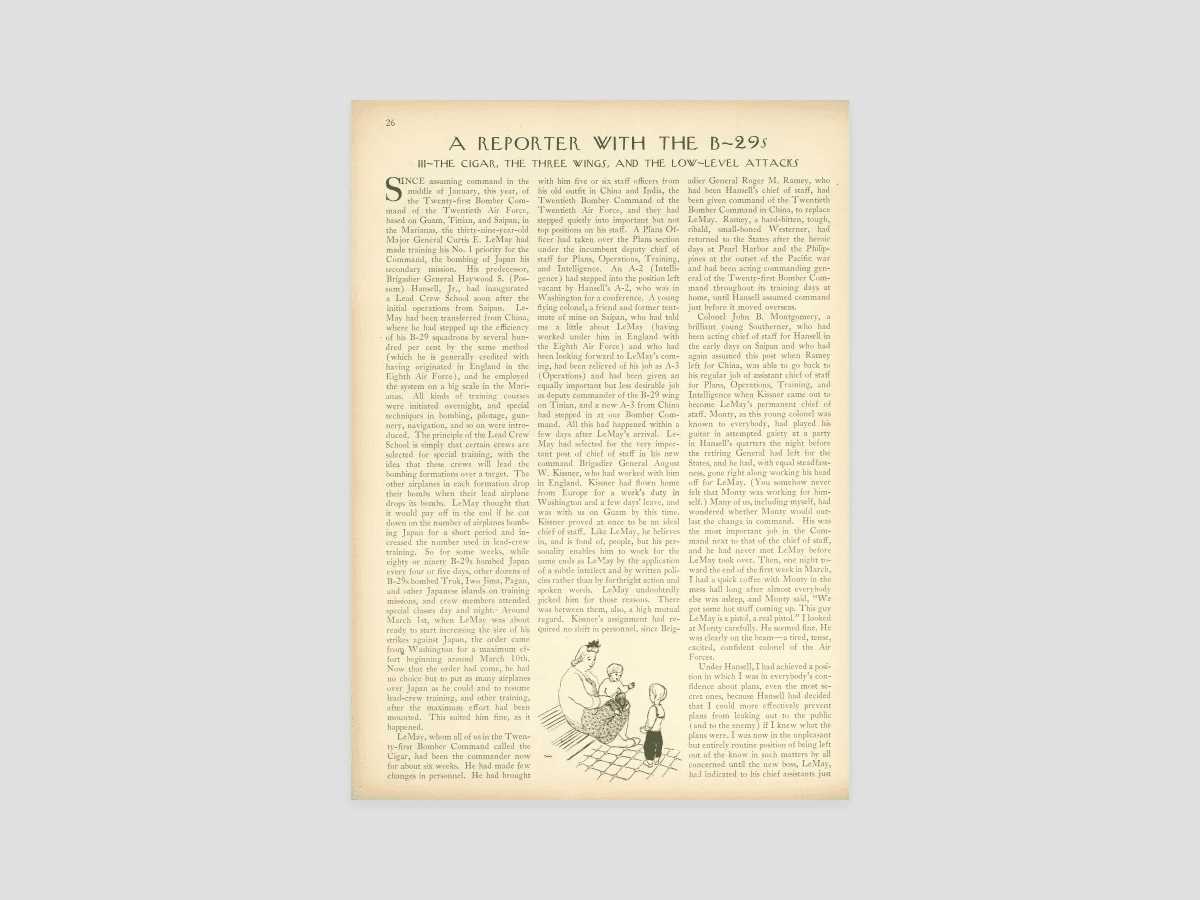
Choose high-resolution scans at 300–600 DPI saved in PDF format to keep fine serif lettering and paper grain intact during home printing. Files sized exactly to A4 or US Letter prevent unwanted resizing and margin distortion.
Select designs that show natural aging details such as foxing spots, uneven ink density, slightly darkened borders, and narrow line spacing typical of 19th century literature. Avoid flat sepia backgrounds without texture; authentic reproductions display subtle tonal variation and visible fiber patterns.
For home output, use matte stock between 24 lb and 32 lb weight. Cream or ivory sheets produce a warmer appearance than bright white paper. Disable automatic color enhancement in printer settings to preserve the muted tones of the original scan.
Antique paper reproductions work well for junk journals, layered collage compositions, decoupage on wood panels, handmade tags, and scrapbook backgrounds. Trim margins with a metal ruler for straight edges or tear by hand for a rough finish.
Lightly distress borders using fine grit sandpaper or apply diluted brown ink with a sponge to simulate oxidation. Heat drying with a craft tool deepens tonal variation without oversaturating the sheet.
Organize digital files by language, illustration type, or typography era to maintain consistency across creative projects and speed up future layout planning.