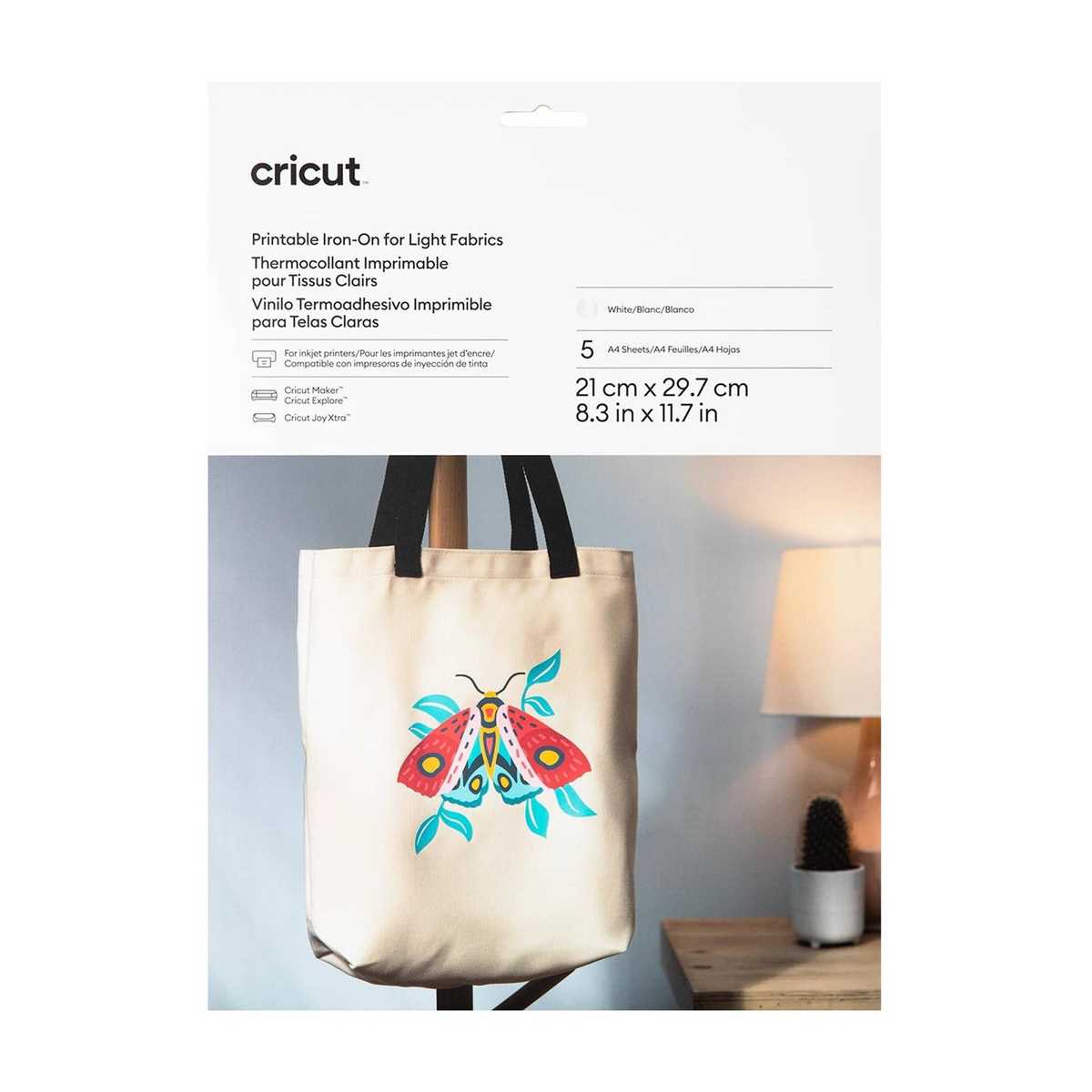
For creating personalized designs on fabrics, start by choosing the right type of heat transfer material that suits your project. Look for options that are compatible with your printer and can be easily cut into shapes or letters. Ensure that the material is designed for fabric use to guarantee durability after washing.
Before applying: Make sure the fabric is clean and wrinkle-free. Set the iron to the correct temperature as specified by the material manufacturer, and always test the design on a scrap piece of fabric first to avoid mistakes.
To achieve a professional finish: Press the design firmly, holding the iron down for the recommended time. Use a parchment paper or protective sheet between the iron and the material to avoid direct contact, which can lead to burns or distortion of the design.
Printable Vinyl Iron On Guide
To begin with, select the correct material that works with your printer and is suitable for fabric. Ensure that the material is specifically designed for use on textiles to ensure lasting adhesion. It’s important to choose a type that can withstand heat application without warping or peeling off over time. Check the manufacturer’s instructions for the appropriate print settings before starting.
Steps for application: First, load the sheet into your printer and print your design. After printing, let the ink dry completely. Place the design face down onto the fabric and press with a heat source according to the material’s guidelines. Always keep the iron or press moving to avoid burning the fabric or damaging the design.
How to Choose the Right Vinyl for Iron On Projects
To ensure a successful application, begin by selecting a material that is specifically designed for use on fabric. Look for sheets that have a strong adhesive backing and can withstand high heat without peeling or fading. The material should be compatible with your printer and able to handle the pressure applied during the transfer process.
Consider the fabric type: If you’re working with delicate fabrics, such as silk or polyester, opt for a softer, more flexible material that can stretch with the fabric. For thicker materials like denim or canvas, choose a stronger transfer sheet that offers better durability and bonding.
Finish and texture: Different types of materials offer various finishes such as matte, glossy, or metallic. Choose based on the look you want to achieve. Matte finishes are great for a subtle look, while glossy or metallic options add a bit of shine and dimension to your designs.
Durability: Some materials are designed to withstand multiple washes without losing their quality. If your project will be frequently washed, ensure the material is rated for durability. Check the product details for wash instructions to ensure longevity.
Thickness: The thickness of the material affects both its durability and ease of use. Thicker sheets provide a more professional finish but may require higher temperatures or longer pressing times. Lighter options are easier to work with and ideal for simple designs.
Brand quality: Stick to well-known brands that specialize in transfer materials. These products tend to offer better results in terms of ease of use, durability, and color transfer. While generic options may be cheaper, they often don’t adhere as well or maintain their quality after multiple washes.
Price: Finally, consider your budget. While it’s tempting to go for cheaper options, higher-quality materials often deliver better results, making them a worthwhile investment in the long run. Select a material that meets both your project needs and budget constraints without compromising on quality.