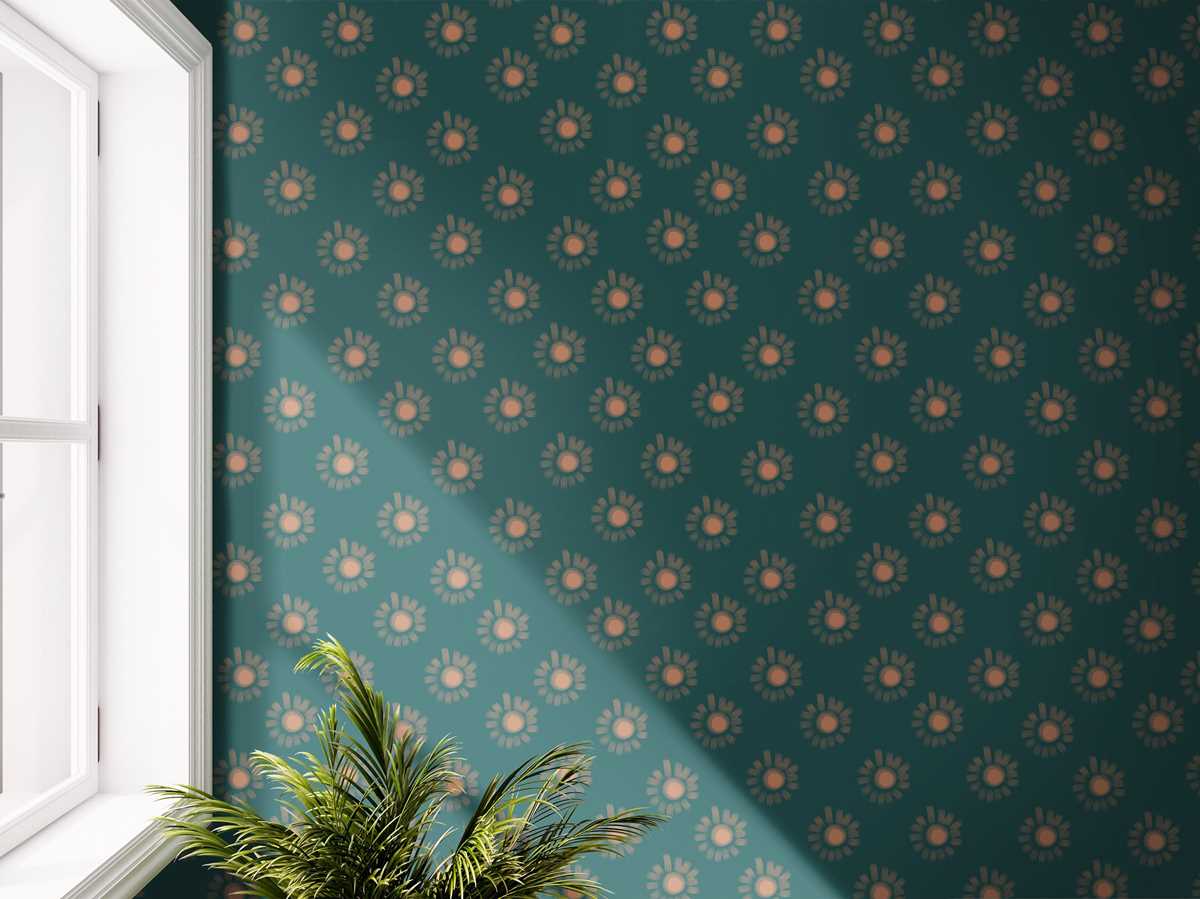
Start with high-quality digital files, like JPEG or PDF, and choose a design that complements your interior style. Be sure to select a resolution of at least 300 DPI for crisp details. Look for patterns that match the proportions of your room–small prints work better in compact spaces, while larger designs can make a statement in bigger areas.
Next, opt for premium materials. While standard printer paper might suffice for temporary decor, matte or satin finish is more durable and gives a polished look. For long-lasting results, choose a heavier weight, such as 200 gsm or more, which helps prevent wrinkles or tears during installation.
Finally, consider how to apply your design. If you’re working with a textured surface, a self-adhesive vinyl or fabric-based option will adhere better without damaging the walls. For a smoother application, use a smooth matte finish that will not attract fingerprints or show imperfections easily.
Choosing the Right Design for Your Room

Select a design that complements the size and function of the space. For smaller rooms, opt for subtle patterns or light colors to avoid overwhelming the space. Larger rooms, on the other hand, can handle bold prints or darker shades. For areas like living rooms or offices, geometric shapes or abstract art can create a modern, sophisticated look. Bedrooms and relaxation areas benefit from soft, natural designs, such as florals or nature-inspired motifs, which promote a calming atmosphere.
When printing your design, consider the finish and texture. Choose a matte finish for a non-reflective, subtle effect, or go for a satin finish if you want a slight sheen. The texture of the material is equally important; smooth surfaces work best for intricate patterns, while textured options can add depth to simpler designs. Always test your printer settings and adjust for the highest quality possible to ensure a clean, professional result.
How to Choose the Right Printable Wallpaper for Your Room
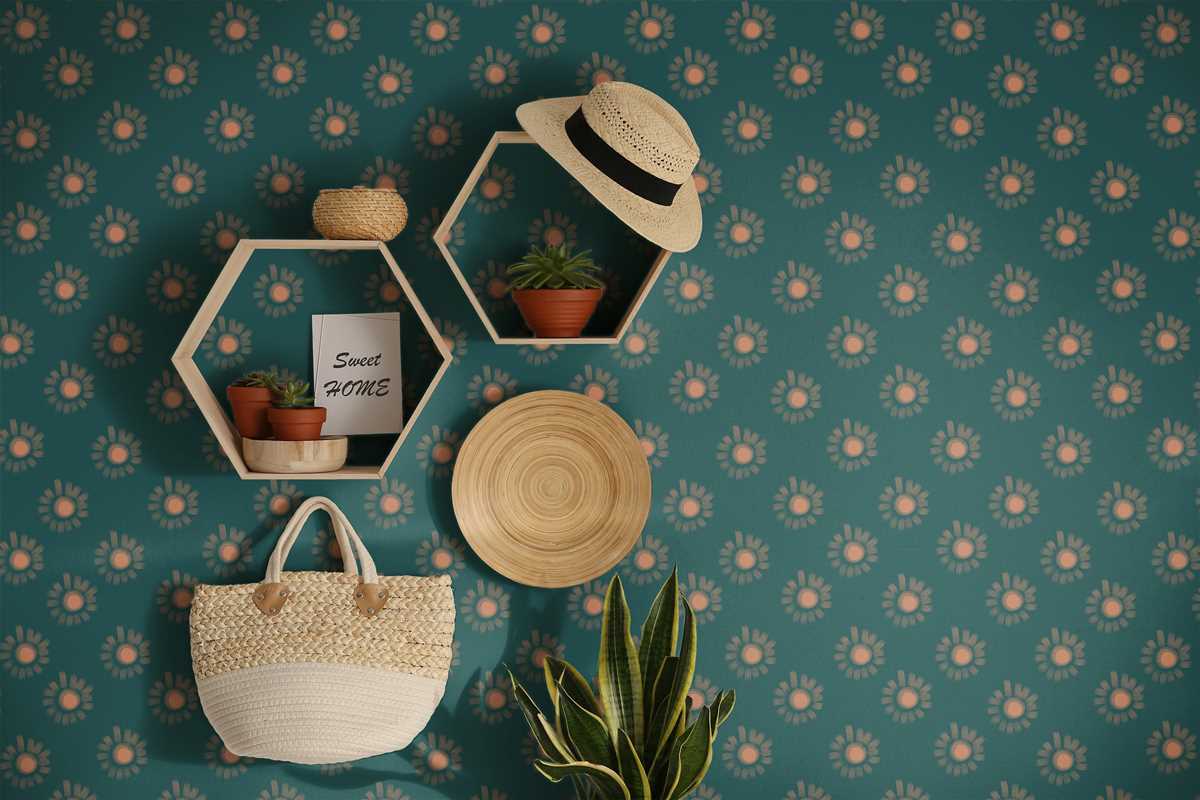
Focus on the room’s size and lighting. For small spaces, opt for light shades or minimalistic designs that won’t overwhelm the area. Lighter tones, such as pastels or off-whites, can make the space feel larger and more open. For rooms with more square footage, bold patterns or darker hues can create a striking contrast, giving the room depth and character. In rooms with abundant natural light, deeper tones work well to create balance, while lighter shades help diffuse light in darker spaces.
Also consider the room’s function. For busy areas like kitchens or hallways, select sturdy materials that are easy to maintain. Vinyl or fabric-based options are more durable and easy to clean. In relaxation zones such as bedrooms or living rooms, consider softer textures or nature-inspired motifs for a calming effect. When choosing designs, ensure they complement the room’s existing furnishings and color scheme to achieve a cohesive look. Always measure your space to determine how much material you need and avoid overcrowding the walls with overwhelming patterns.