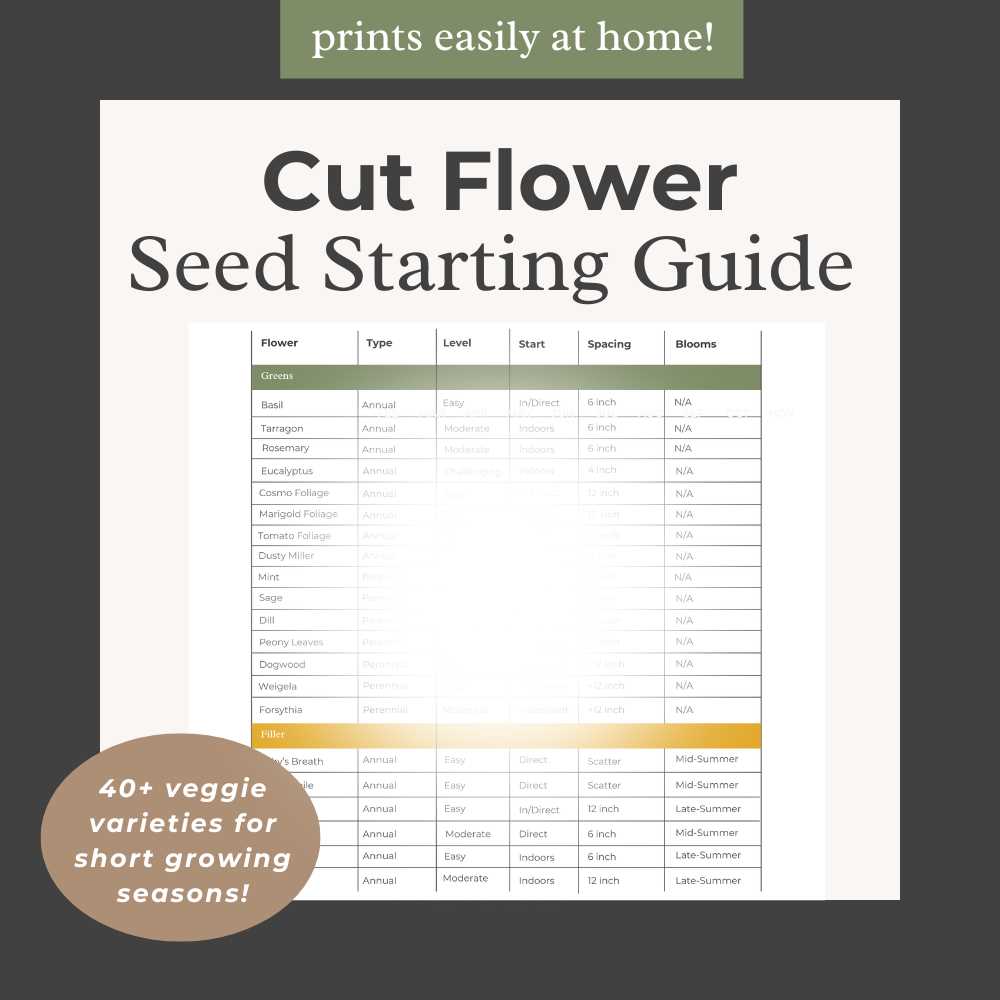
Base your crop timing on an average last spring frost between April 15 and May 15 and a first fall frost between October 1 and October 15. Count backward from these dates to determine indoor seed starting and direct sowing windows. In colder parts of this region, use the later frost date for safety.
Early Spring to Late Spring Tasks
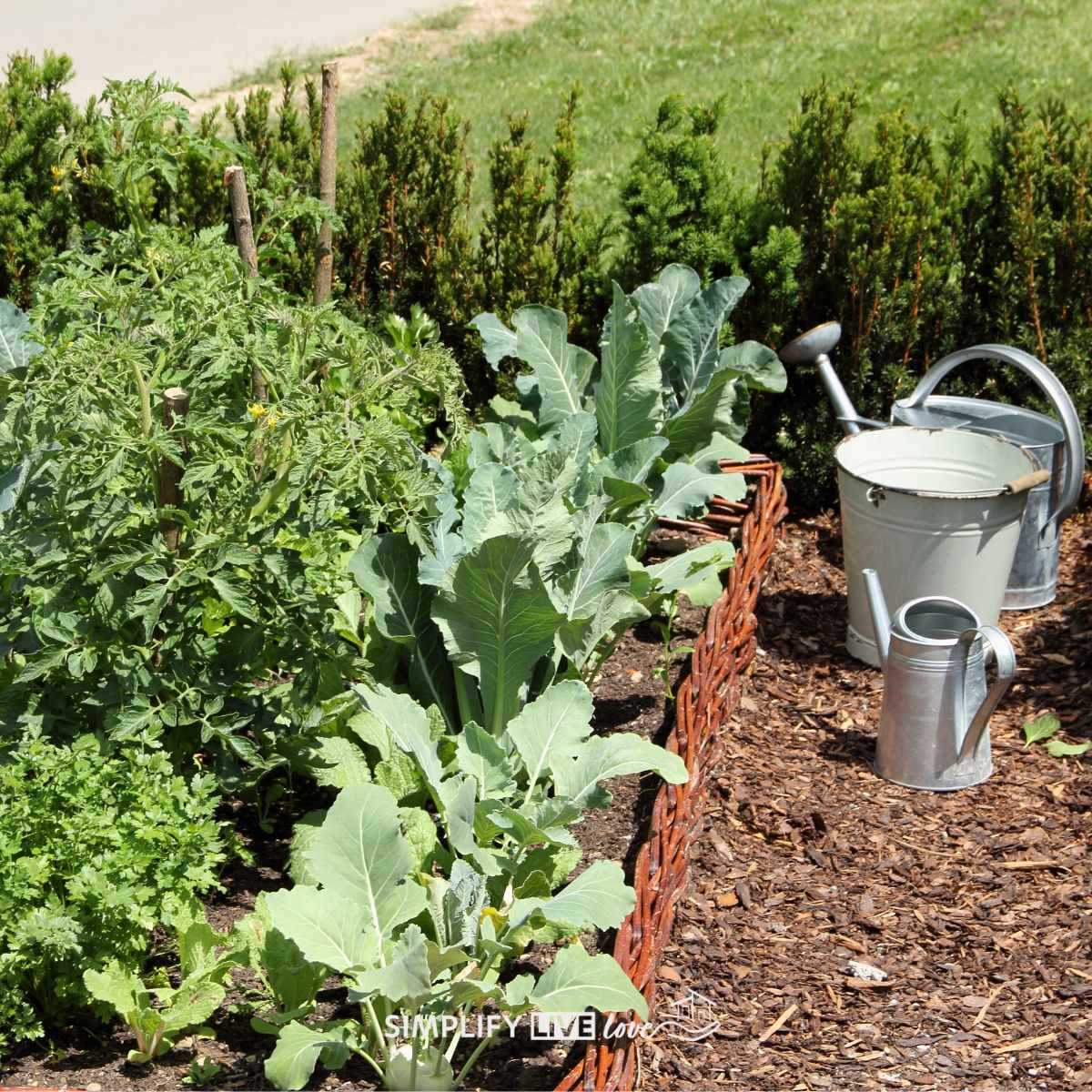
Sow cool-season crops outdoors 4–6 weeks before the last frost date. This usually falls between late March and mid-April. Suitable choices include peas, spinach, kale, radishes, and carrots. Soil temperature should reach at least 40°F (4°C) for reliable germination.
- Late March–Early April: Direct seed peas, spinach, and radishes
- Early–Mid April: Plant onion sets and seed potatoes
- Mid April: Transplant hardened-off broccoli and cabbage seedlings
Warm-season vegetables require soil temperatures above 60°F (16°C). Transplant tomatoes, peppers, and eggplant 1–2 weeks after the final frost date. For most areas, this means mid to late May. Space tomatoes 18–24 inches apart and provide support at transplant time.
Summer Succession and Fall Preparation
Plan successive sowings every 2–3 weeks through June to maintain harvest continuity. Beans, summer squash, and cucumbers can be seeded directly once soil remains consistently warm. Corn requires soil at 60°F or higher and benefits from block formation for pollination.
- Late June: Sow carrots and beets for autumn harvest
- Mid July: Start kale and broccoli indoors for fall transplanting
- Early August: Direct seed spinach for cool-weather growth
Count 6–8 weeks back from the first expected fall frost to determine final sowing dates for leafy greens. Apply mulch in midsummer to regulate soil moisture and reduce temperature fluctuations. Record each sowing date in a garden log to refine next year’s timeline based on actual frost patterns and crop performance.
Paper Friendly Garden Chart Tips
Create a month-by-month chart listing indoor seed starts, outdoor sowing windows, and transplant dates. Leave space for notes on soil temperature, rainfall, and harvest yields. Keep the sheet in a waterproof sleeve for repeated seasonal use.
Printable Zone 5 Planting Schedule
Use a one-page garden calendar built around an average last spring frost of April 15–May 15 and a first autumn frost of October 1–15. Mark these two anchor dates, then count backward 6–8 weeks for indoor seed starting and forward 1–2 weeks for heat-loving transplants. This method prevents crop loss from late cold snaps common in regions with winter lows down to −20°F.
Include separate columns for indoor sowing, direct seeding, and transplanting outdoors. For example, begin tomatoes and peppers indoors in mid-March, move brassica seedlings outside in late April, and sow beans directly into soil after it reaches 60°F, usually late May. Record soil temperature with a probe thermometer at 2-inch depth for accurate timing.
Add a succession section covering June through early August. Re-seed lettuce every 14 days, plant carrots for fall harvest in late June, and start broccoli for autumn production around mid-July. Calculate maturity dates by counting the days listed on seed packets and comparing them with the projected first frost window.
Leave space for rainfall totals, mulch application dates, and harvest yields. Laminating the sheet or placing it in a clear sleeve allows reuse each year while adjusting dates based on local microclimate data and actual frost history.