For optimal growth, start seeds indoors in mid-February for early crops like tomatoes and peppers. Transplant seedlings outside by the last frost date, usually around April 15th. If you’re planting root vegetables, wait until the soil temperature reaches at least 50°F, which typically happens in early April.
In late spring, after the risk of frost has passed, you can plant more heat-loving crops such as beans, cucumbers, and melons. These thrive when the ground warms up to 60°F or higher. It’s also a good time to sow summer flowers like sunflowers and zinnias, which will bloom throughout the warmer months.
To extend your growing season, consider late summer plantings like kale, spinach, and carrots. These crops thrive in the cooler fall weather, with sowing typically happening in late July to early August. For fall crops, it’s important to plant early enough to avoid the first hard freeze, which can occur as early as October 15th in this region.
How to Create a Planting Calendar for Zone 7
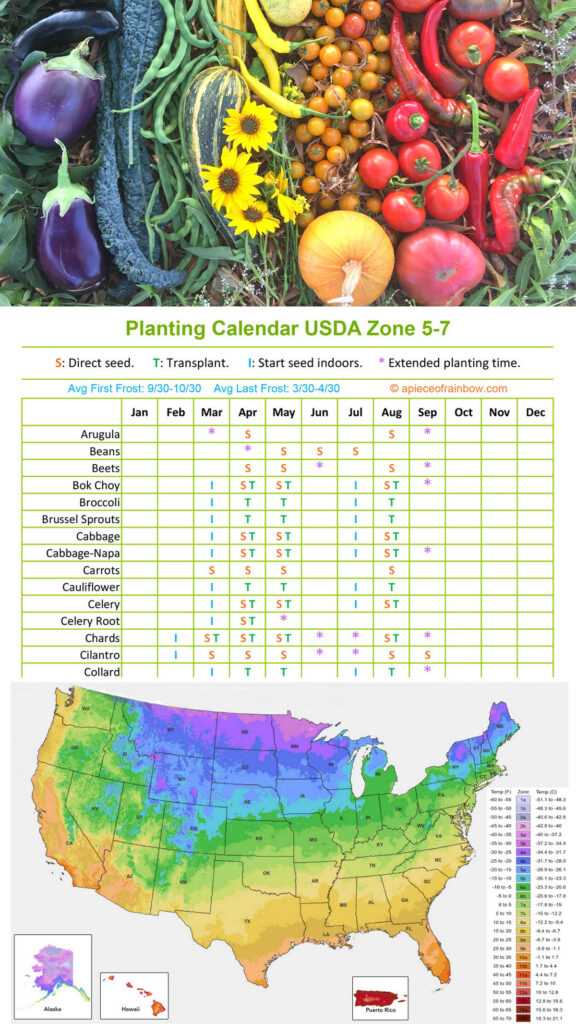
Start by determining your average last frost date, which typically falls around April 15th in this area. This will be your reference point for sowing and transplanting crops. To create an organized list, break down your calendar into monthly tasks based on crop types and their respective growth needs.
For spring crops like lettuce, peas, and spinach, mark early sowing dates on your calendar. These can be started indoors in late February to early March and then transferred outdoors after the last frost. For later crops, such as tomatoes and peppers, begin seeds indoors six to eight weeks before the last frost date, in mid-February to early March.
- Mid-April: Transplant seedlings like tomatoes, peppers, and eggplants outdoors after the frost risk is gone.
- Late April to May: Sow beans, cucumbers, and melons directly in the ground when the soil warms to 60°F or more.
- June: Continue to sow heat-tolerant crops like summer squash, pumpkins, and sunflowers.
In the fall, mark the calendar for cool-season vegetables like kale, carrots, and turnips. Plant these in late July to early August to ensure they mature before the first frost, which can happen as early as October 15th. You can also start winter greens such as spinach and mustard, which tolerate light frosts.
Once the planting dates are filled in, create a visual format that can be easily printed. Divide your list into months and mark sowing, transplanting, and harvesting dates clearly. This will ensure you’re able to stay on top of your garden tasks throughout the season without missing critical windows for optimal growth.
Key Planting Dates for Vegetables and Flowers in Zone 7
For spring vegetables like peas and lettuce, begin sowing directly in the soil around March 15th, just after the soil thaws. For tender crops such as tomatoes, peppers, and eggplants, start seeds indoors by mid-February. Transplant them outdoors once the threat of frost has passed, typically around April 15th. By the end of April, sow heat-loving crops like beans, cucumbers, and melons when the soil temperature reaches 60°F.
For flowers, start cool-weather varieties like pansies and snapdragons indoors by late February, then transplant them by early April. Warm-weather flowers such as sunflowers and marigolds should be sown outdoors from late April to early May, after the last frost date has passed. To ensure a continuous bloom, stagger planting dates for some flowers like zinnias and cosmos throughout May.