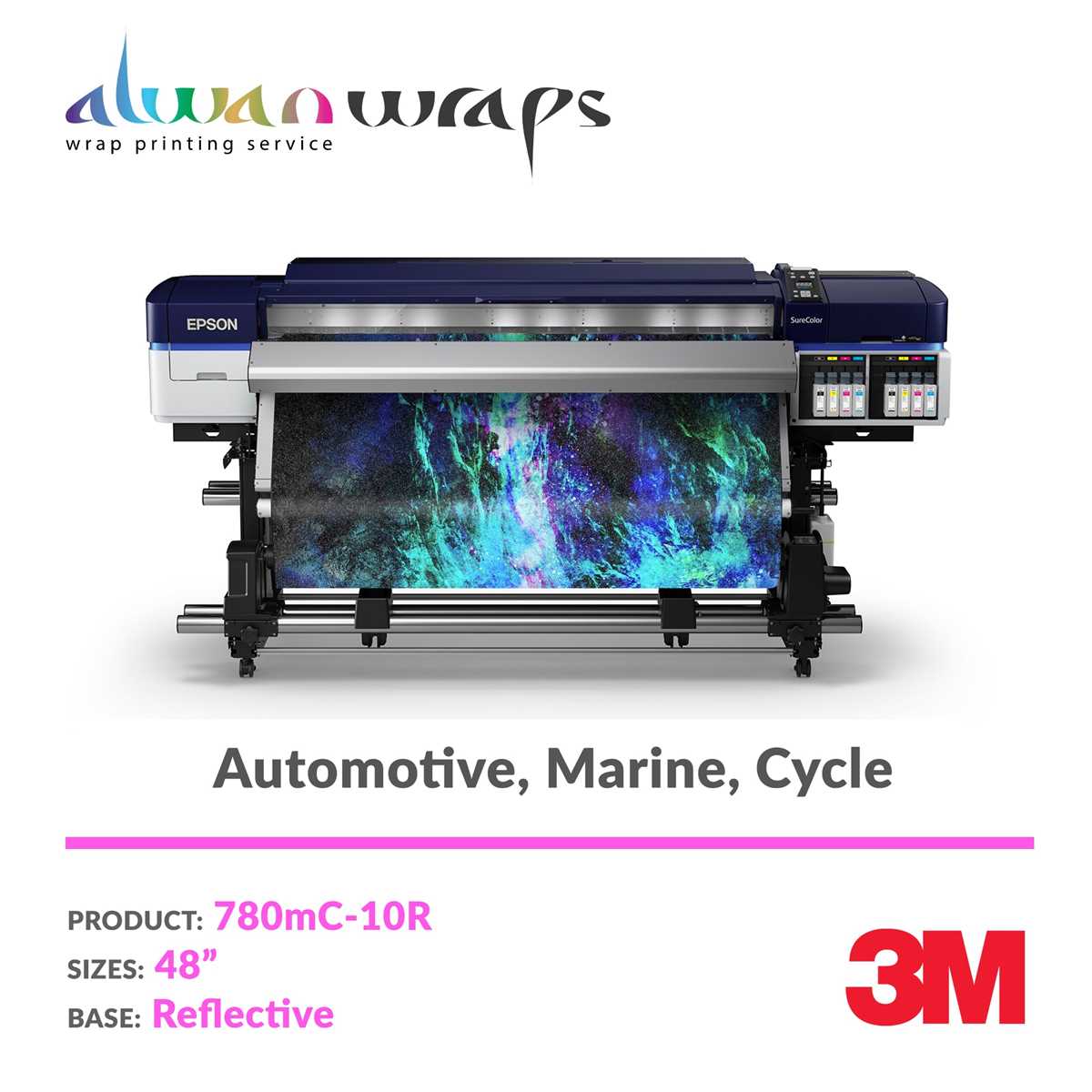
For high-visibility applications, it’s important to choose the right material that reflects light and stands out in low-light environments. Start by selecting sheets that are compatible with your printer type and the intended surface of application. Most high-visibility sheets are made for inkjet or laser printers, so make sure the material matches your equipment.
Choosing the Right High-Visibility Adhesive Sheets
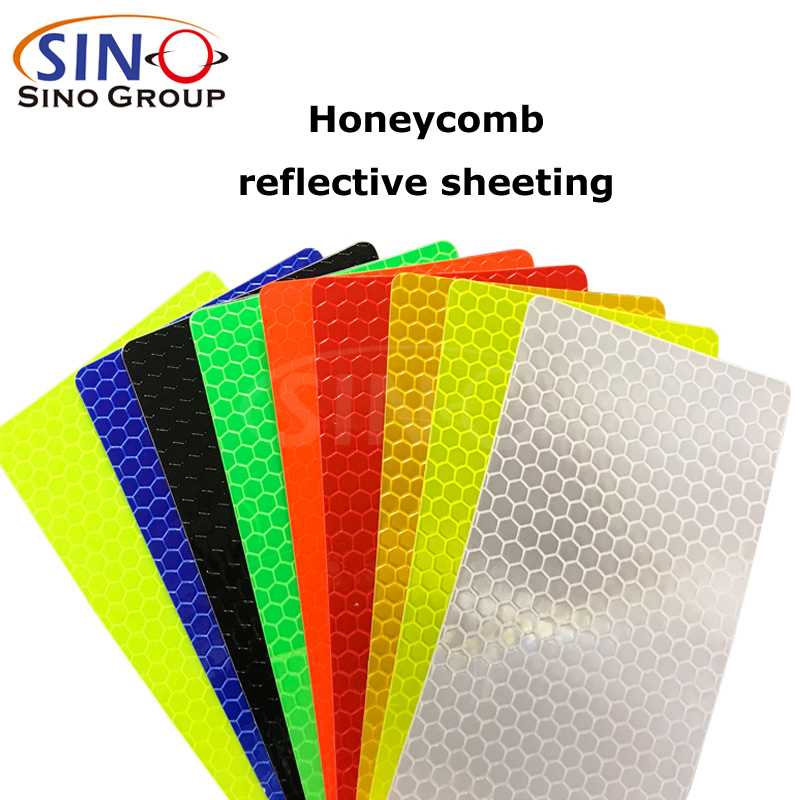
When selecting the right material, consider the following factors:
- Reflective Quality: Ensure the material has a strong light-reflective property, especially if used for safety purposes like traffic signs or vehicle decals.
- Durability: Opt for sheets with a strong adhesive backing to withstand outdoor conditions, weather, and physical wear. Materials with UV-resistant coatings are ideal for longevity.
- Printing Compatibility: Check that the adhesive material can handle the type of ink your printer uses, whether pigment or dye-based, to ensure vibrant, long-lasting prints.
For custom designs or logos, select a high-visibility sheet that provides enough surface area to show intricate details. A thicker sheet often yields better results in terms of durability and color intensity. If your project requires cutting into shapes or specific dimensions, ensure the material is easy to handle and can be precisely cut with a craft knife or cutting machine.
Printing Process for High-Visibility Sheets
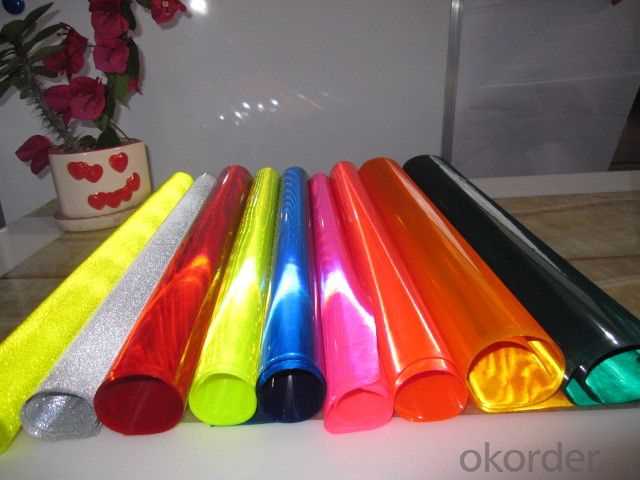
To achieve the best results, follow these steps:
- Prepare Your Printer: Clean your printer’s nozzles and ensure there’s enough ink or toner to complete your project. Adjust your printer settings to the highest quality to capture fine details and vibrant colors.
- Design Preparation: Use a vector-based design software like Adobe Illustrator or CorelDRAW for crisp lines and clean edges. Ensure the design dimensions match the sheet size and that colors are set to the appropriate mode (CMYK for print).
- Test Print: Before printing on the high-visibility sheets, conduct a test print on regular paper. This will help ensure that colors are accurate and the layout aligns properly.
- Final Print: Once the test print is satisfactory, load the high-visibility sheet into the printer and print the final design. Make sure the sheet is securely in place to prevent paper jams.
After printing, allow the ink to dry fully before handling or applying to the desired surface. Depending on your printer and ink type, you may need to use a heat press or laminate the print for extra durability. If using the sheets outdoors or in harsh conditions, applying a protective laminate will help the design last longer without fading or peeling.
Application Tips
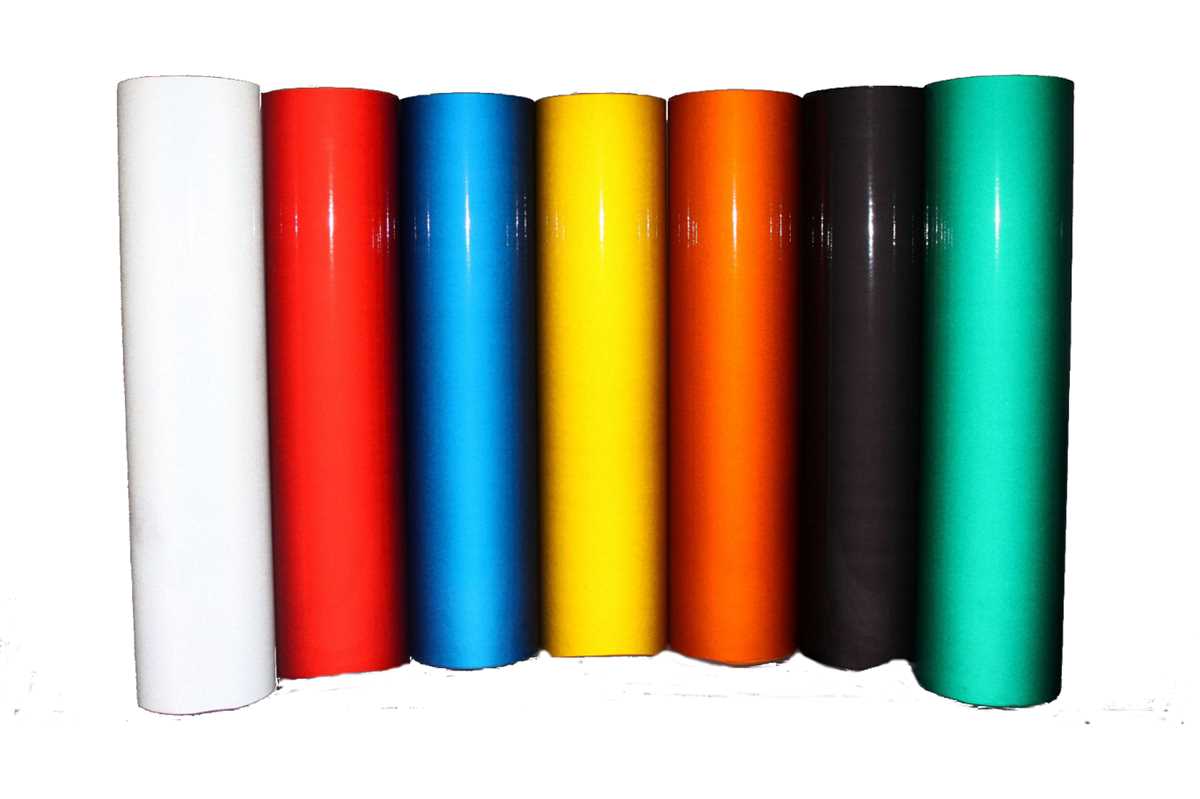
When applying the adhesive sheets, ensure the surface is clean and dry. Peel off the backing slowly and apply the design carefully, smoothing out any air bubbles. For curved surfaces, use a heat gun to gently stretch the material without distorting the design. This method works well for vehicle decals, helmets, or signs that require precise application.
Conclusion
Using high-visibility adhesive sheets for custom designs is a versatile and practical solution for a variety of applications. Whether for safety signage, vehicle graphics, or personalized products, understanding the right material, printing techniques, and application methods ensures a successful and durable result. Choose quality materials, take your time with the design process, and follow proper handling guidelines to achieve the best outcomes.
Reflective Printable Vinyl Guide
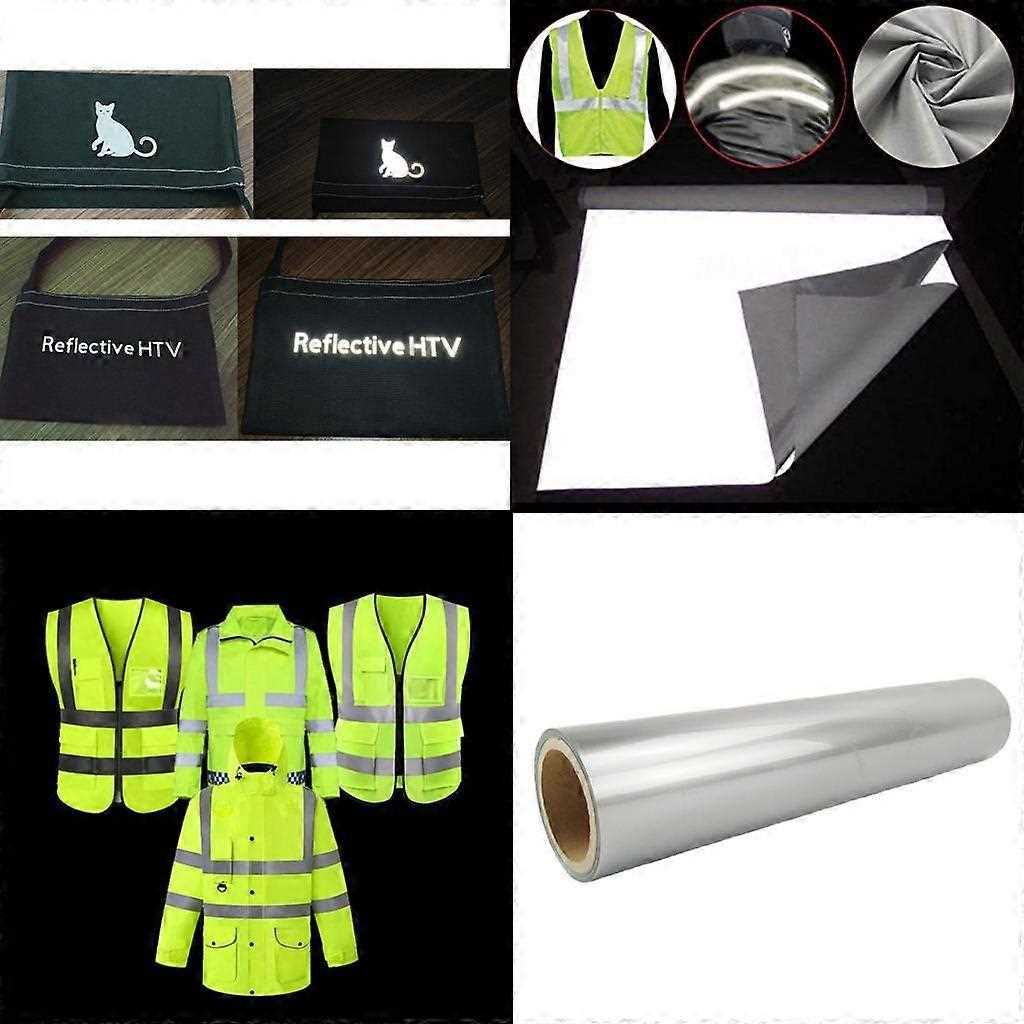
When selecting high-visibility adhesive sheets for your project, it is important to choose the correct type depending on your needs. For outdoor applications, opt for materials with strong durability and resistance to weather elements. These sheets are typically coated to prevent fading from sunlight and can withstand moisture and temperature fluctuations.
To print on these materials, ensure that you are using the right kind of ink. Most high-visibility sheets are compatible with pigment-based ink, which offers better resistance to UV light and moisture. Using dye-based ink may result in colors fading over time, especially when exposed to direct sunlight or harsh conditions.
Before printing, check that your printer can handle thicker sheets. Some printers may struggle with thicker materials, so it’s important to use the correct paper settings. A test print on regular paper can help avoid wasting sheets during the final print process.
For cutting custom shapes, use a craft cutter or cutting machine. These tools are better suited for precision and ensure clean edges. If you are cutting manually, use a sharp craft knife and a cutting mat to achieve neat and accurate results. Be sure to follow the design guidelines to prevent any distortion during the cutting process.
After printing, allow the design to fully dry before handling. This helps avoid smudging or misprints. If your project will be exposed to frequent contact or outdoor conditions, consider adding a laminate layer to protect the print. Lamination enhances durability and shields the print from scratches and UV damage.
When applying the high-visibility sheet to a surface, ensure it is clean and free from dust, dirt, and oils. Use a soft cloth to wipe the area and ensure a smooth, adhesive-free surface for optimal bonding. Start from one side and slowly apply the sheet, using a squeegee to smooth out any air bubbles as you go.
If the application involves curved or irregular surfaces, apply heat to the material with a heat gun. Gently warming the sheet allows it to stretch without damaging the print. This technique is ideal for vehicle decals or curved signage where precision is required.
Finally, store unused sheets in a cool, dry place to avoid damaging the adhesive backing. Keep them flat and away from direct heat sources or humidity to maintain their usability. Proper storage will extend the life of the material and ensure you can use it whenever needed.