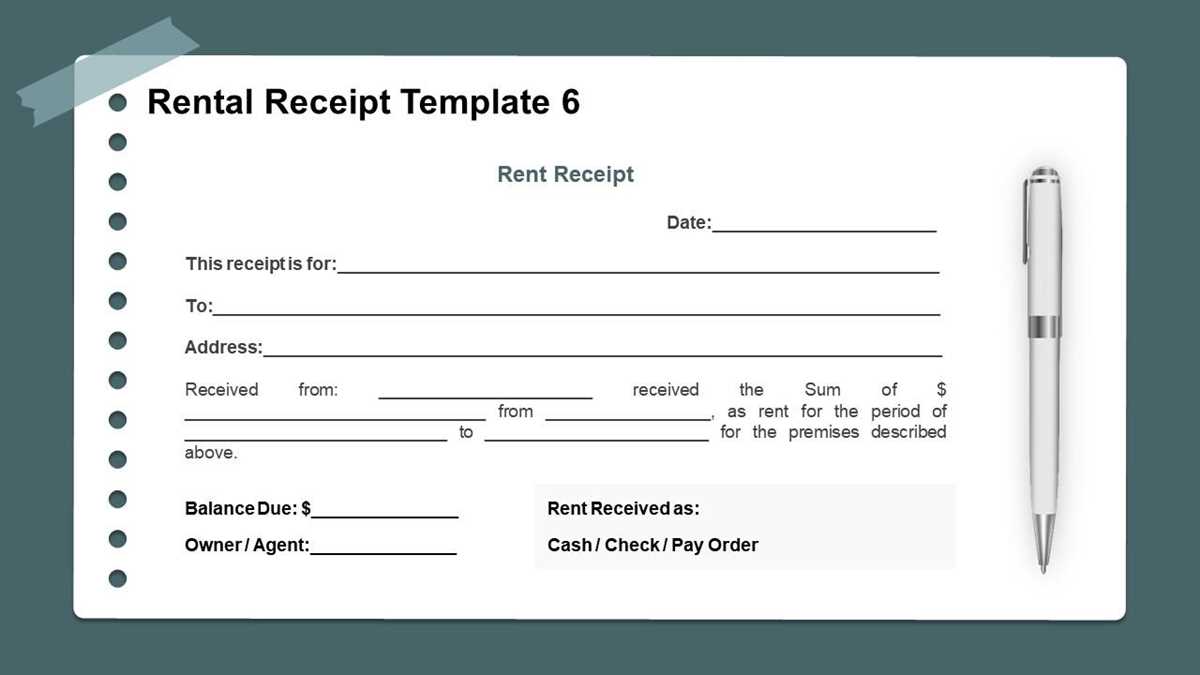
To maintain clear records, landlords should provide tenants with a formal document acknowledging the payment for each period. This ensures transparency in financial transactions and protects both parties in case of disputes. This document should include key details such as the amount paid, the payment date, and the rental period covered.
For ease of use, you can easily generate these forms digitally or by hand. Having a printable format allows for quick distribution and archiving. It’s advisable to keep a copy for yourself as well as provide one to the tenant. A receipt acts as proof of payment, offering legal backing for any future inquiries or issues.
Ensure the document includes information such as tenant names, payment method, and the specific rental period. By providing accurate and comprehensive details, both the tenant and landlord can avoid any misunderstandings, making the rental process smoother and more efficient for all involved.
How to Create a Payment Acknowledgment Document
Start by ensuring the document includes the tenant’s name, payment amount, and the time frame covered by the payment. This will make the document clear and accurate, helping both the tenant and landlord keep track of payments. Specify the method of payment, such as cash, check, or bank transfer, to provide a clear record of how the transaction occurred.
In addition to basic payment information, be sure to include the property address. This detail will prevent any confusion, especially if the landlord manages multiple properties. It’s also important to indicate whether the payment was made in full or if any portion remains unpaid. This ensures there is no ambiguity about the transaction.
Consider including a reference number for each transaction. This will help in organizing records and allow you to easily identify specific payments if any disputes arise. If the payment is for a specific rental period, be clear about which dates are covered to avoid future misunderstandings.
It’s also a good idea to specify the date the document is issued. This is important for both tax purposes and personal record keeping. An accurate date ensures that all payments can be tracked correctly and referenced later if needed.
Provide both a hard copy and an electronic version of the acknowledgment for easy access and archiving. Tenants may prefer to keep a digital version for their records, and providing one ensures that they have quick access if they need to reference it later.
To make this process more convenient, consider using online templates for these forms. Many free templates are available that can be customized with specific details such as the property name, tenant name, and payment amount. These templates are designed to make the process easier and faster, while still ensuring all necessary details are included.
Finally, maintain organized records of all transactions. Both the landlord and the tenant should keep copies of these documents for a set period, usually a year or more, depending on legal requirements. This ensures that both parties can verify transactions in case of any disputes or audits.
How to Create a Payment Acknowledgment for Your Property
Start by including basic details such as the tenant’s name, address of the property, and the payment amount. This ensures that both the payer and recipient know exactly which transaction is being recorded. Include the payment date, as this is vital for tracking purposes and could be needed in the future.
Specify the period that the payment covers, such as the start and end date of the lease term. This clarity helps avoid any confusion and provides transparency in the payment history. Be sure to indicate whether the full amount was received or if there is a partial payment pending.
Next, make sure to include the payment method, whether it was via cash, cheque, or bank transfer. This detail provides a clear record for both parties, which is especially useful if a dispute arises later. For example, in cases where a tenant claims they paid, you can refer back to the payment method noted in the acknowledgment.
If you’re dealing with multiple properties or tenants, create a unique reference number for each transaction. This will make it easier to track individual payments in the future and ensure your records are properly organized. A reference number can serve as a quick way to locate specific transactions in a large database.
Clearly state the amount paid and confirm that the transaction is complete. This avoids any future confusion regarding partial payments or mistakes in the amount listed. If the tenant has made an overpayment, make sure to provide details about any adjustments or refunds made.
To maintain a professional and organized system, offer both printed and digital versions of the document. A digital copy will be convenient for the tenant to store and refer to when needed. You can even email the document to the tenant, making the process quick and paperless.
Use online templates if you’re not sure how to format the document. There are many free resources available online that allow you to fill in the blanks and generate professional-looking statements. This can save time and ensure that all important information is included.
Lastly, store all payment records securely, both in physical and digital form. It’s important to keep these records for tax purposes and to ensure you have proof of transactions in case of any disputes. Proper record-keeping is also a legal requirement in many places, so it’s critical to stay organized.