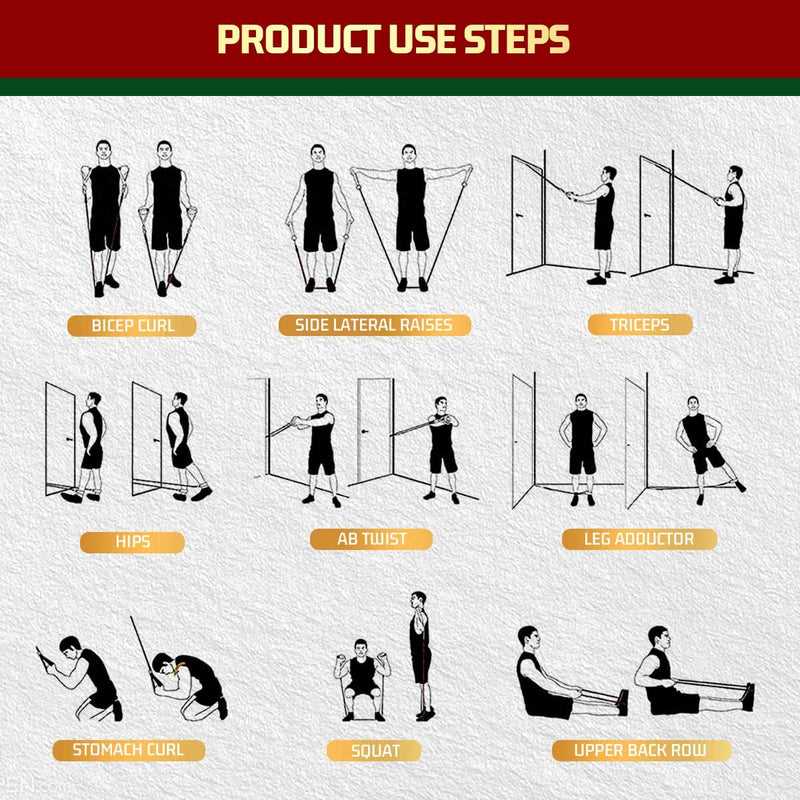
Choose a strap that adds 5–15 kg of tension at full stretch and perform each movement for 8–12 repetitions with a slow 3–1–2 tempo; this range suits most home sessions without heavy equipment. Keep the anchor point fixed at waist height for pushes and at floor level for pulls to keep loading consistent.
A compact exercise sheet works best when each page groups movements by joint action: press, pull, hinge, squat, and carry. For the upper body, pair standing chest presses with single-arm rows to balance load across the shoulders. For legs, alternate split squats and hip hinges, keeping rest periods at 45–75 seconds to maintain density without rushing form.
Progression is simple: add 2–3 reps per set before switching to a thicker strap, or step farther from the anchor to raise tension by roughly 10–20%. Track weekly totals for sets and reps directly on the sheet; consistent notes reduce guesswork and help keep sessions steady.
Portability matters. A single page that fits a gym bag should include quick cues–grip width, stance length, and breathing notes–so each drill stays repeatable. Print on matte paper to mark completed sets cleanly and replace pages monthly to keep records readable.
Elastic Loop Training Handout
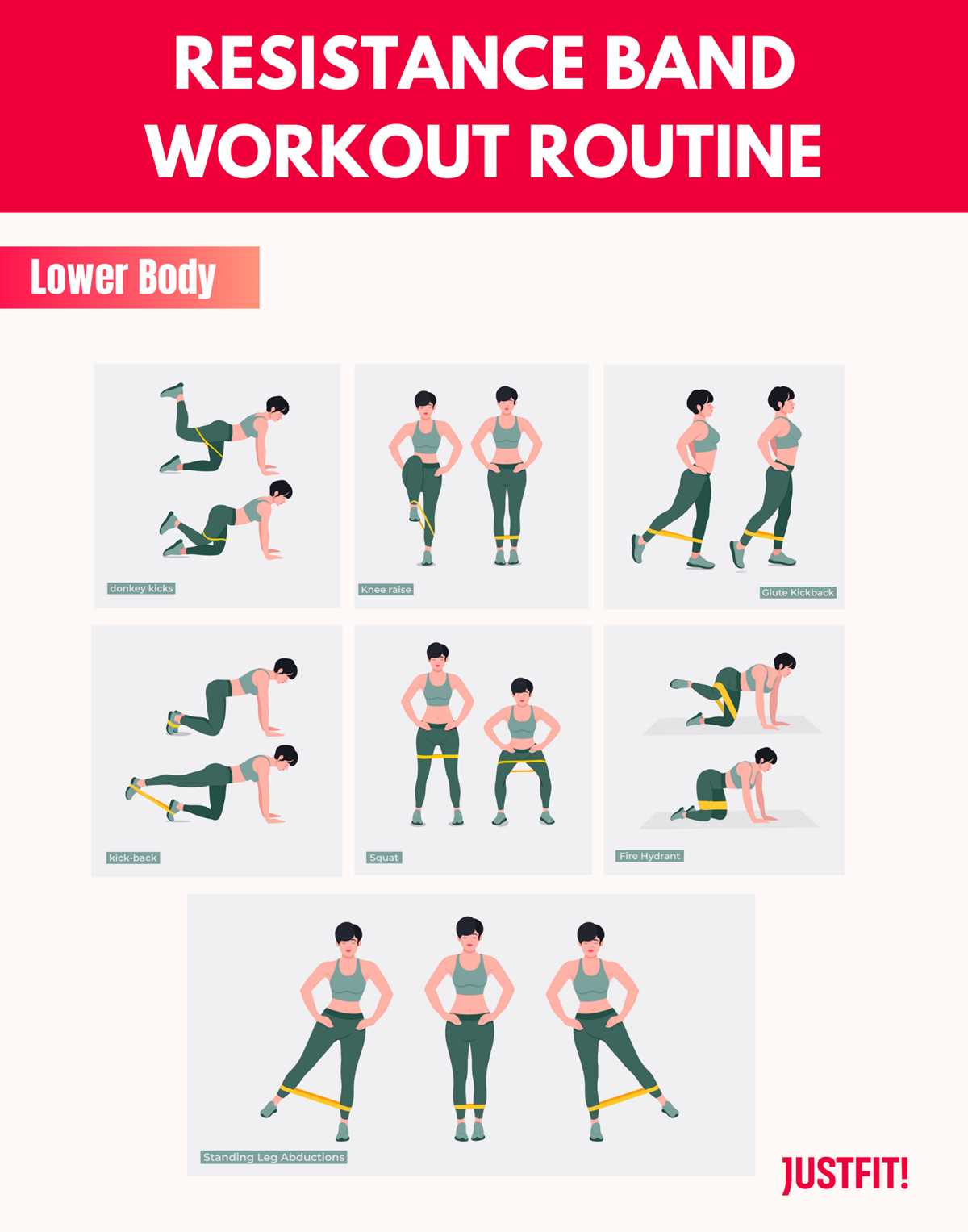
Choose a one-page handout with three intensity levels marked by color and tension ranges, then perform 2–3 sets of 8–15 controlled reps per move with a 2–1–2 tempo.
Layout matters: place upper-body pulls, lower-body hinges, and core bracing in separate columns so rest intervals of 45–75 seconds stay consistent without flipping pages. Use icons for grip, stance, and anchor height to reduce guessing during sessions.
Select tubing or loop straps that match the charted load: light for mobility and activation, medium for hypertrophy-focused sets, heavy for low-rep strength. If a movement stalls before the target reps, shorten the strap path or widen the stance rather than forcing speed.
Progression fits neatly on a handout when each exercise shows two regressions and one overload option. Add time-under-tension cues (slow eccentrics, pauses at peak contraction) to raise demand without adding equipment.
Paper specs help usability: A4 or Letter, 12–14 pt text, generous margins for notes, and matte finish to avoid glare. A checkbox grid beside each set supports tracking without clutter.
Warm-up and cooldown blocks should be compact yet specific: 3–5 minutes of joint prep with light loops, then breathing-led stretches held 20–30 seconds for hips, shoulders, and calves.
For safety, include anchor guidance and floor clearance notes, plus a reminder to replace frayed tubing. A small legend explaining tension ratings keeps load selection precise across different brands.
Selecting Resistance Levels and Bands for a Single-Page Workout Sheet
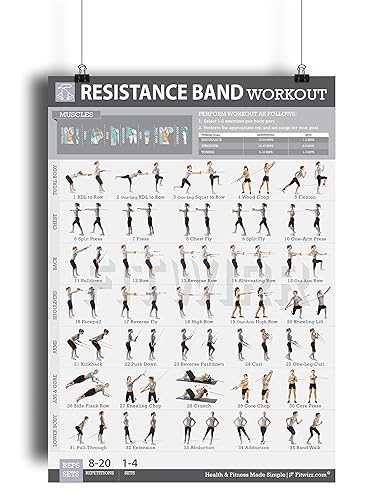
Choose three tension tiers–light (5–15 lb), medium (15–35 lb), and heavy (35–75 lb)–and assign each to a color or thickness so a one-page sheet stays readable. This range covers warm-up, strength work, and power drills without crowding the page.
Match stretch length to movement: loops measuring 12–14 inches suit lower-body patterns, while 41-inch tubes handle presses and rows. Shorter loops raise load faster per inch of stretch; longer tubes allow smoother force curves for joint-heavy moves.
Specify elongation targets next to each exercise icon: 100% stretch for isolation, 150% for compound lifts, and cap at 200% to limit snap-back risk. Printing these percentages next to silhouettes removes guesswork during fast sessions.
Use thickness increments of 0.3–0.5 mm between tiers to keep jumps predictable. Latex blends at 0.8 mm behave very differently from 1.3 mm; note the millimeter value on the sheet to prevent mismatches across brands.
Anchor method alters load by up to 20%. Door anchors increase effective tension at the start of the pull, floor anchors bias the end range. Label anchor icons clearly so users don’t misread force expectations.
For single-page layouts, limit equipment visuals to four shapes: mini loop, long tube with handles, fabric loop, and ankle strap. Each shape implies grip, range, and friction, saving text space.
Account for user size by adding a height modifier: under 160 cm subtract ~10% from listed load; over 185 cm add ~10%. This keeps the same stretch ratio across different statures.
Include a replacement schedule line: inspect weekly, retire latex at 6–12 months or after visible whitening. This practical note fits one line and reduces sudden failure during high-tension pulls.