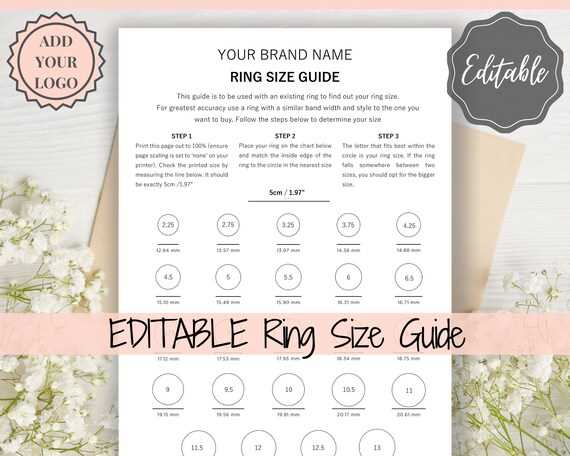
Start by selecting a strip of paper or string, and ensure it’s not too thick, as you need an exact fit. Wrap it snugly around the base of your finger, making sure it’s comfortable but not tight. Mark where the end overlaps, then measure the length in millimeters with a ruler. This measurement is the key to identifying the proper size for your finger.
If you’re in between sizes, it’s advisable to opt for the larger size to avoid discomfort. Additionally, be aware that finger size can fluctuate throughout the day, often being slightly larger in the evening. For the most accurate measurement, do this procedure at a time when your fingers are neither cold nor swollen.
For those looking to confirm their findings, use a detailed reference guide to match your measured length to a size. These guides are available online and in print, providing a straightforward way to determine your perfect fit. Keep in mind that sizing may vary depending on the country or manufacturer, so always double-check before purchasing.
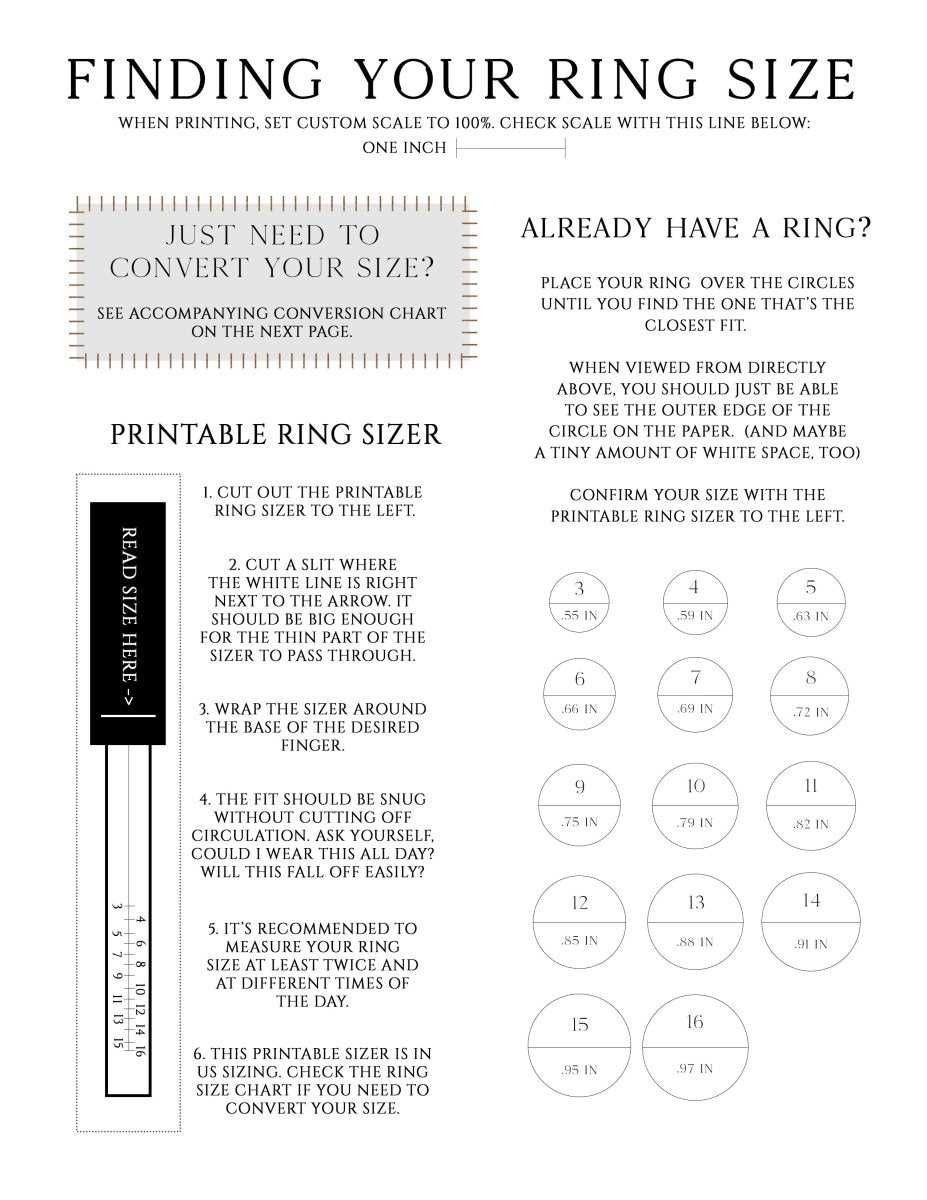
Accurate Measurement Guide for Proper Fit
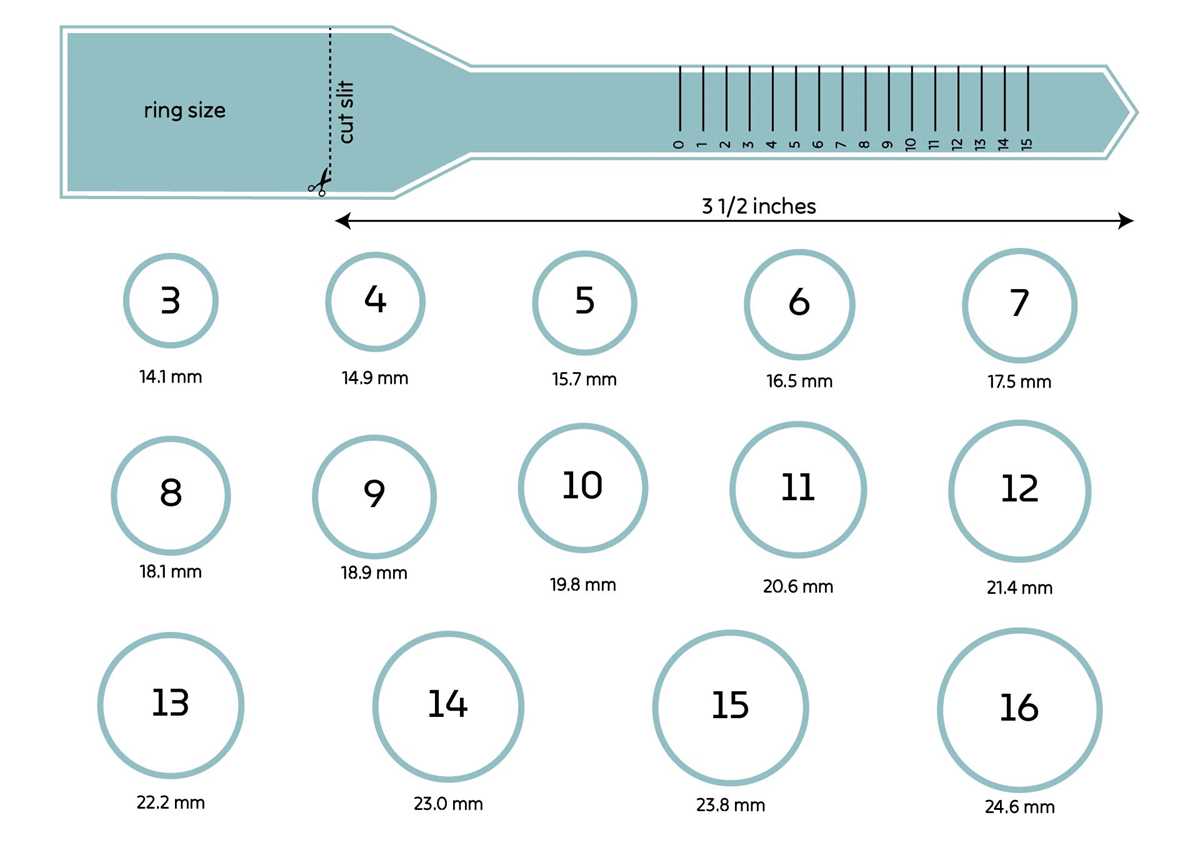
To ensure a comfortable fit, it’s important to take precise measurements before making a purchase. Use a standard ruler to measure the circumference of your finger or use a template designed to indicate sizes for different fingers. You can cut out the paper model and check the fit by wrapping it around your finger, noting the number where the ends meet.
If you are unsure about your measurement, take it multiple times at different points of the day, as your finger size can fluctuate due to temperature. A snug fit during colder months might become uncomfortable during warmer days. Always take your measurement at the end of the day when your finger is at its largest.
For a more reliable estimate, measure with the use of a string or flexible tape. Mark where the string overlaps, then measure the length of the string using a ruler. This method works well for most individuals who find it hard to measure directly on their finger. Remember, you can convert the length of the string into size units using a conversion guide.
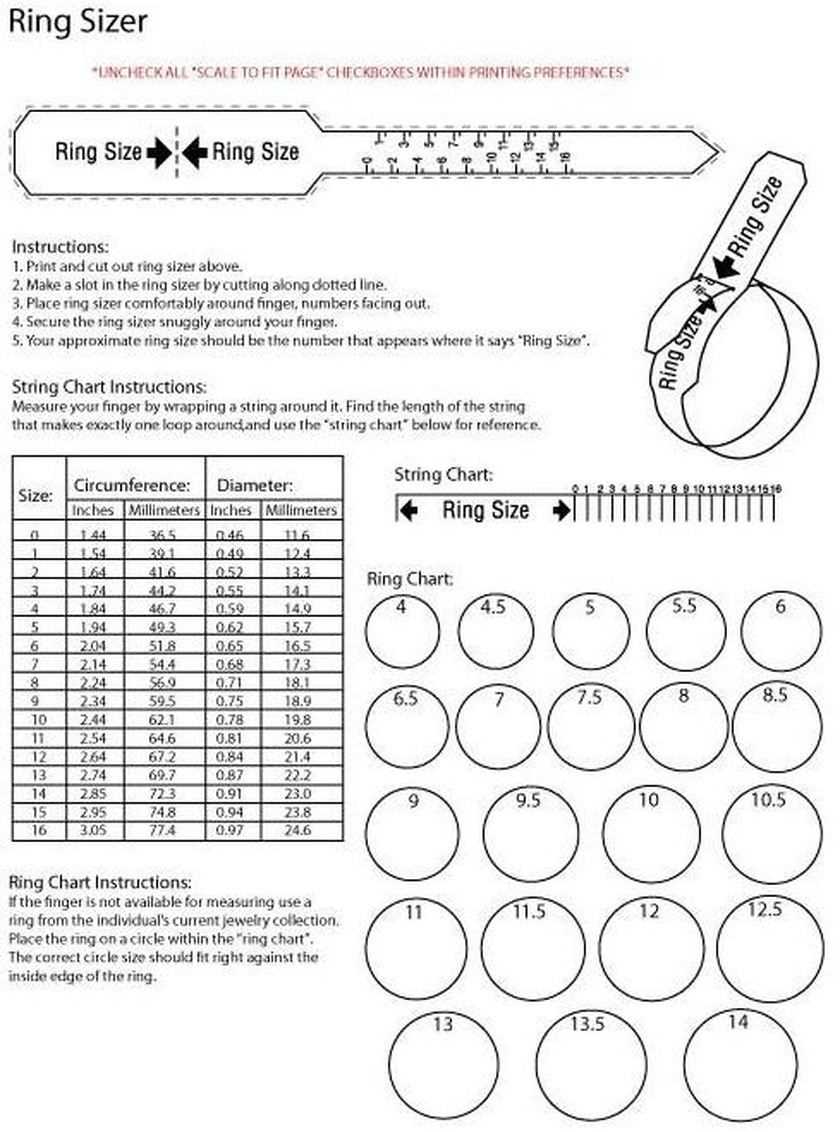
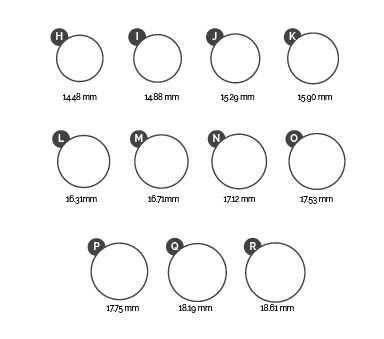
If you already own a piece of jewelry, you can measure the inner diameter of the band and match it with a sizing guide. This can be an effective way to find the right size without the need for additional tools. However, keep in mind that ring styles with thicker bands may require a slightly larger size.
Using a printed guide can help you make sure that your selection aligns with the proper circumference. Choose a high-quality template with clearly marked sizes and use it on a flat surface to avoid distortions in the measurement. A guide that’s printed on thick paper will provide more accuracy compared to thin sheets or flimsy materials.
Ensure the guide is scaled correctly and double-check the dimensions before proceeding with any purchases. It’s easy to confuse between fractional sizes like 6.5 and 7, which can affect how comfortable the item feels on your finger. Size charts typically offer a range of options from small to large, giving you an opportunity to select the most fitting option.
When in doubt, it’s always advisable to consult with a professional jeweler who can confirm your measurements. They often use calibrated equipment that guarantees a precise fit. Most jewelers will gladly assist you with sizing, sometimes offering complimentary services if you purchase from their store.