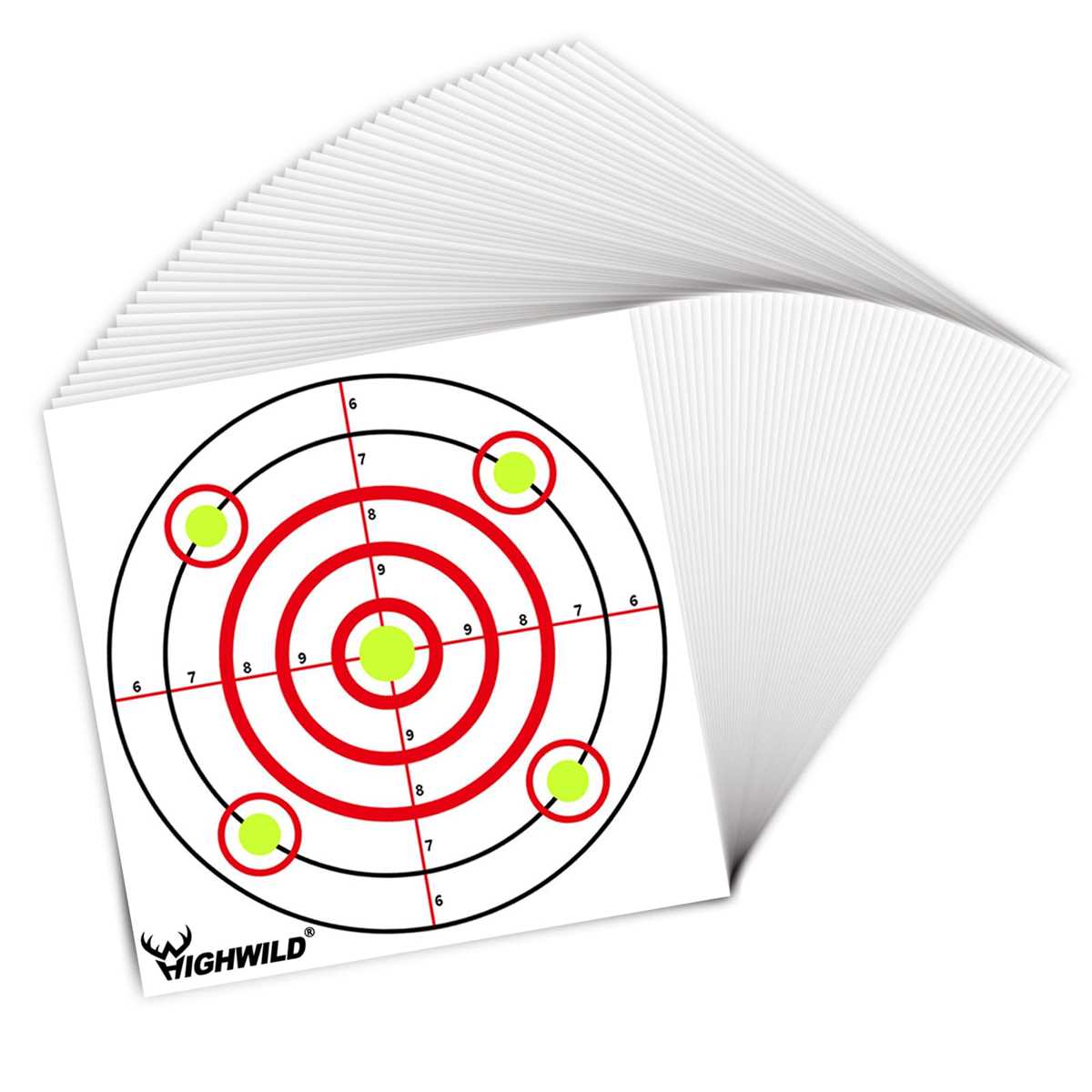
Set your printer to 100% scale with page fitting disabled and confirm dimensions using a 1-inch calibration square before heading to the range. Accurate scaling ensures that bullseye rings and silhouette zones match real measurements, which directly affects group analysis at 7, 15, or 25 yards for handguns and 50 or 100 yards for rifles.
Choose a layout that matches your training goal: circular scoring rings for precision drills, grid designs with 1-inch squares for sight adjustment, or human-shape outlines for defensive practice. Mount each sheet on corrugated backing at least 24×36 inches to capture flyers and full shot dispersion. Use a marker to label firearm type, caliber, distance, and ammunition details after each string.
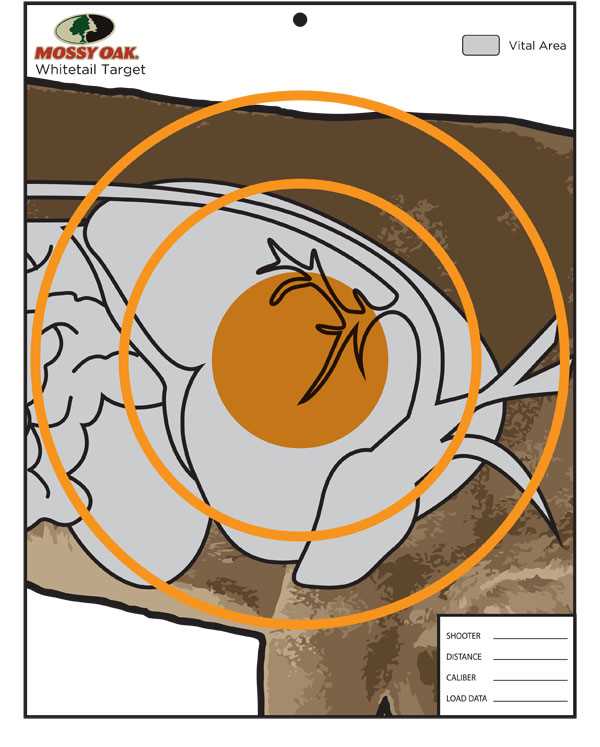
Measure group size center to center by subtracting bullet diameter from the widest hole spread. For example, a 9 mm cluster measuring 2.25 inches edge to edge equals a 1.90-inch group after subtracting 0.355 inches. Consistent documentation allows clear comparison between loads, optics adjustments, and stance changes.
Shooting Targets Paper Printable
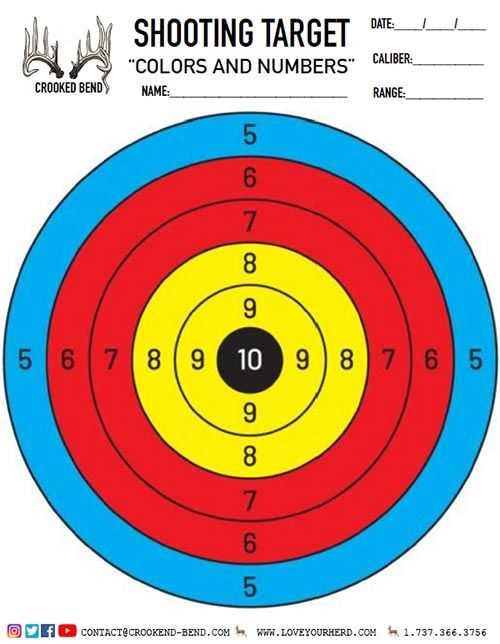
Print bullseye or silhouette range sheets at 100% scale with margin correction disabled, then confirm ring diameter using a ruler before mounting them for practice.
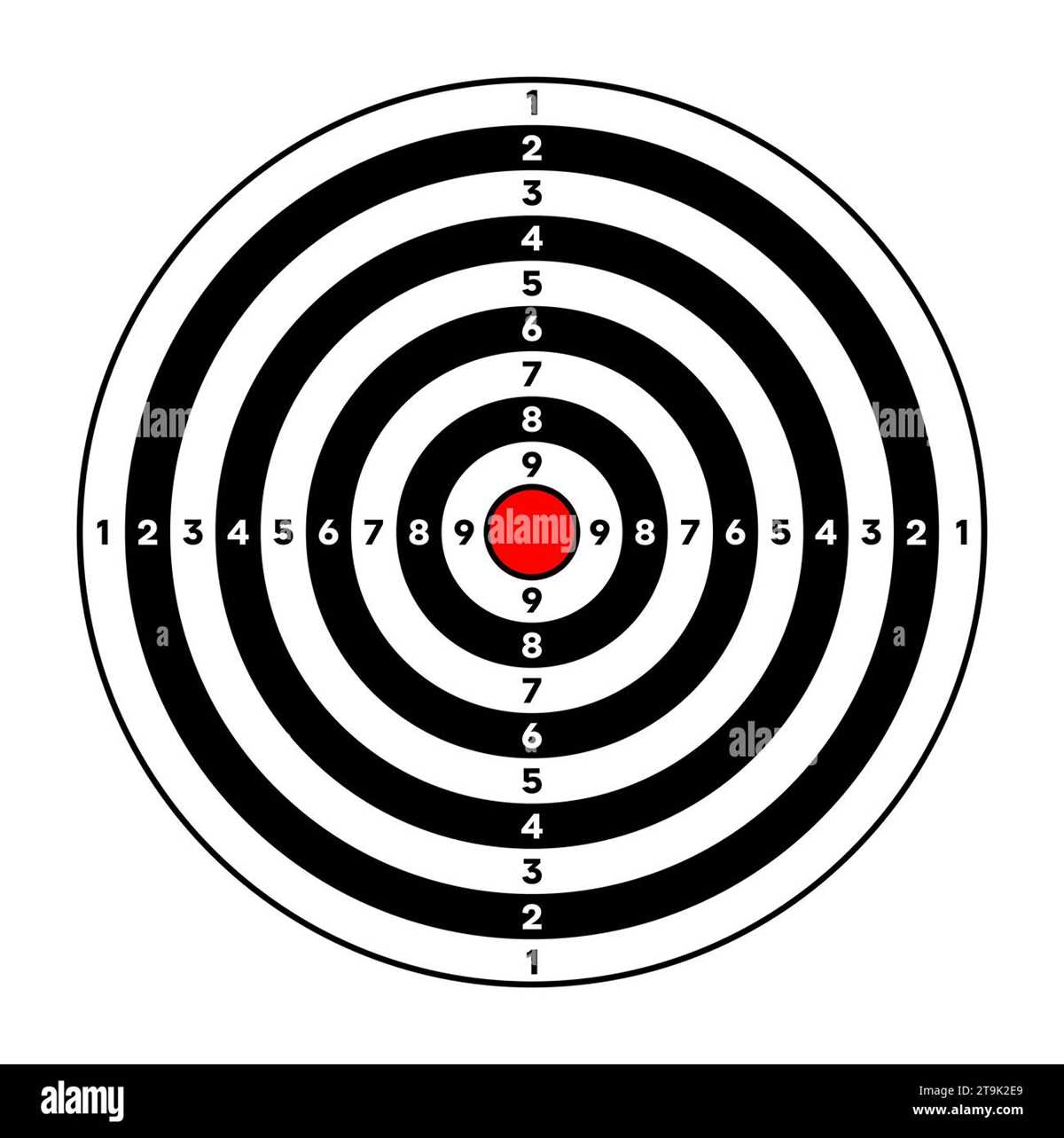
Use layouts that match firearm type and distance:
- 5–7 yard drills with large 6–8 inch center circles for handgun draw practice
- 15–25 yard precision work with 1 inch grid backgrounds for sight alignment checks
- 50–100 yard rifle zeroing sheets with 1 inch reference squares and clear aiming dots
Mount each sheet on rigid cardboard at least 24×36 inches to capture full shot dispersion. Fire 5-shot or 10-shot strings and mark each group separately. Measure spread edge to edge, subtract bullet diameter, and record the true center-to-center value. For example, a .223 group measuring 1.75 inches outer edge equals 1.53 inches after subtracting 0.22 inches.
Keep a log for every session:
- Firearm model and barrel length
- Caliber and ammunition brand
- Distance from muzzle to aiming point
- Weather conditions such as wind speed
- Group size calculation
Consistent documentation allows clear comparison between load types, optic adjustments, and stance changes.