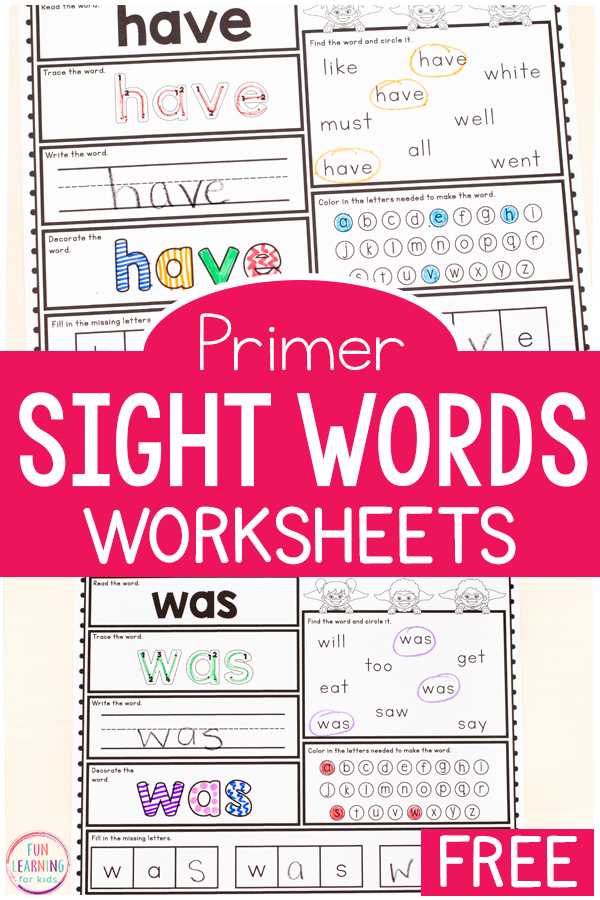
Begin by selecting appropriate resources that are tailored to your child’s level and progress in learning. Choose activities that focus on commonly used phrases and simple phrases for young readers. By using worksheets that focus on recognition and repetition, children can build confidence and improve retention.
Incorporate fun exercises to hold attention such as matching games, flashcards, or fill-in-the-blanks. These activities are ideal for breaking down the learning process into smaller, manageable sections. Make sure the exercises include varied challenges to maintain engagement and increase familiarity with new material over time.
Track your child’s learning by regularly reviewing their performance. This can be done through periodic checks or timed exercises to monitor progress. By adjusting the difficulty of the tasks, you can ensure that the learning pace aligns with your child’s evolving skill set and encourages continued success.
How to Maximize Learning with Flashcards and Activities
Start by selecting clear, simple flashcards for young learners. These should focus on high-frequency expressions commonly found in texts. The more often children encounter these phrases, the quicker they’ll begin recognizing them on sight. Make sure the font is large enough for easy identification.
Include interactive activities such as matching games or fill-in-the-blank sheets to reinforce learning. These types of exercises encourage active participation, making the experience more engaging. Switch up activities frequently to maintain interest and avoid monotony in learning sessions.
Provide repetition in a variety of formats. Repetition is key when trying to build recognition. Offer worksheets with varied formats, like tracing, coloring, or identifying hidden phrases within word searches. This will give children multiple ways to engage with the content and reinforce their memory.
Set achievable milestones and celebrate progress. When learners complete a set of activities or master a new set of terms, acknowledge their effort. This positive reinforcement encourages them to keep moving forward and builds their confidence in reading.
Use colorful visuals to enhance learning. Adding images related to the terms being practiced can help children connect meanings to visuals, improving memory retention. For example, use simple drawings or icons that match the phrases being learned.
Customize the difficulty level to match each learner’s progress. For beginners, start with simple expressions that are frequently used in everyday language. As they improve, introduce more complex combinations and challenge them with higher-level activities like matching phrases to sentences.
Track their progress to see which phrases need more practice. Keep a record of each completed exercise and review results regularly. This helps identify areas that require further focus and can guide the adjustment of future lessons.
Incorporate family involvement by encouraging parents or siblings to join in. This makes learning a more collaborative experience and helps reinforce concepts outside of formal sessions. Encourage family members to create their own activities or ask children to teach them what they’ve learned.
How to Choose the Best Resources for Early Readers
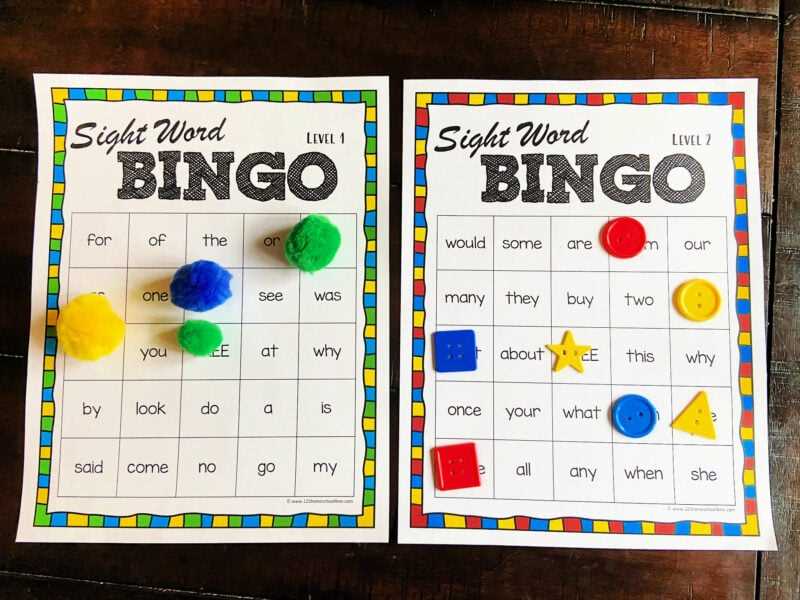
Focus on high-frequency phrases that children will encounter regularly in books and daily conversations. These terms are often used in simple texts, making them the perfect starting point for young readers to practice recognition and recall.
Look for clear, large fonts on each sheet. Choose materials with large text that is easy to read. The size of the letters helps children visually identify the symbols, boosting their confidence in recognizing familiar phrases.
Prioritize simple, clean designs in the materials you choose. Overly complex images or backgrounds can distract young learners from the main focus of the activity. Look for resources that use simple illustrations or none at all to ensure they are concentrating on reading.
Choose resources with varying activities to maintain engagement. Worksheets that include multiple activities such as tracing, matching, and coloring can make learning more dynamic and prevent children from getting bored with repetitive tasks.
Select resources with a gradual difficulty progression to help build skills step by step. Start with a set of easy phrases and slowly introduce new ones that increase in complexity. This method ensures that learners are not overwhelmed and can gain mastery before moving to harder challenges.
Ensure availability of both printable and interactive formats for a variety of learning experiences. Interactive tools can complement printed sheets by allowing children to practice recognition on tablets or computers, enhancing their engagement with the material.
Check for customizable options that allow you to adjust the content to match your child’s learning pace. Many resources allow for personal adjustments such as changing font sizes, colors, or including different types of activities to cater to specific needs or preferences.