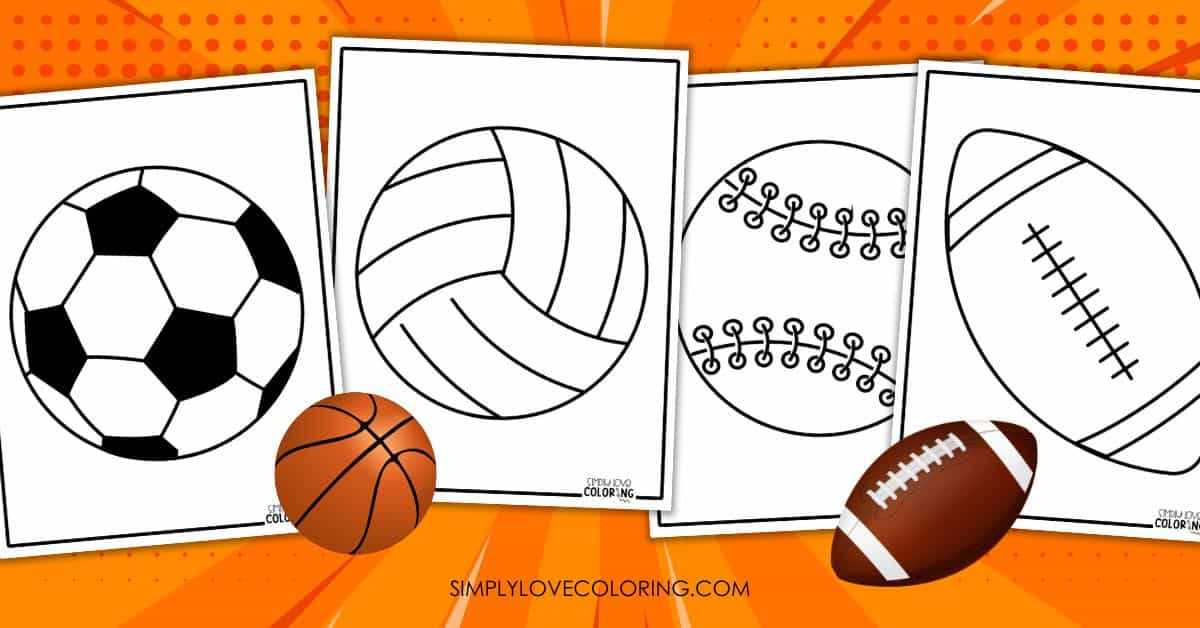
Choose high resolution outline sheets in PDF format at 300 DPI to keep lines sharp after printing. Set paper size to A4 or US Letter and select grayscale mode with maximum contrast to produce dark, clean contours. Use standard 80–120 gsm paper for crayons and switch to 160–200 gsm stock for markers to prevent bleed through.
Select designs based on age and fine motor skills. For preschool children, use simple illustrations with thick 2–3 pt outlines and large open areas. For elementary students, pick drawings with moderate detail such as uniforms, equipment, and stadium elements. Older kids can handle intricate scenes that include motion lines and background details.
Arrange multiple outline sheets per document with 0.25 inch spacing between each image to simplify trimming. Test one draft copy before bulk printing to check margins and scaling at 100 percent. Store finished sheets flat in labeled folders by activity type such as football, basketball, soccer, or athletics to speed up classroom distribution.
Choosing Sports Themes and Skill Levels for Coloring Pages
Select activity themes based on the child’s familiarity with the game and motor control ability. For ages 3–5, use simple athlete figures, large balls, and minimal background detail with thick 2–3 pt outlines. For ages 6–8, include uniforms, equipment, and basic action poses such as kicking or throwing, keeping small elements under 20 percent of the composition. For older children, offer dynamic scenes with stadium backgrounds, scoreboards, and motion lines that require controlled hand movements and attention to detail.
Match complexity to attention span and pencil control rather than age alone. Beginner level sheets should contain fewer than 8 distinct sections to fill, while intermediate level designs can include 15–25 segments with varied shapes. Advanced illustrations may exceed 30 sections and incorporate layered gear such as helmets, nets, rackets, or track lanes. Keep contrast high and avoid overcrowded compositions so each drawing remains clear after printing at standard A4 or Letter size.
Preparing and Printing Sports Coloring Sheets at Home or School
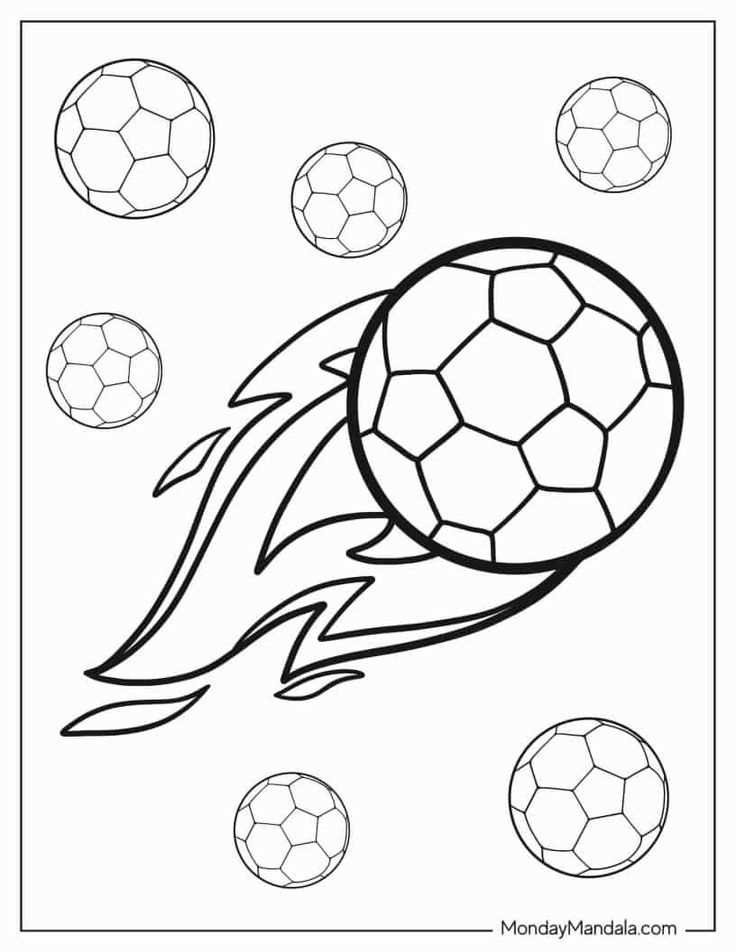
Download artwork in PDF format at 300 DPI and print at 100 percent scale to avoid distortion. Disable automatic fit-to-page settings so proportions remain accurate, especially for balls, rackets, and field markings that require symmetry.
Use standard A4 or US Letter size for classroom distribution. Select 80–100 gsm paper for crayon use and upgrade to 160–200 gsm stock for markers to prevent bleed through. Keep brightness at default and increase contrast by 5–10 percent if outlines appear faint.
Choose grayscale mode instead of draft quality. Draft mode reduces ink use but can produce broken contour lines, which makes filling shapes harder for younger children. Solid black outlines between 1.5–3 pt provide clear boundaries without overpowering interior details.
Arrange multiple illustrations per sheet only if each image remains at least 5 inches tall. Smaller formats reduce usability for group activities and limit space for shading practice.
Before bulk printing for a class, run a single test copy and check margin alignment, edge cropping, and line clarity. Verify that no part of the drawing falls within 0.25 inches of the edge to prevent trimming errors on printers with narrow non printable areas.
For home use, store digital files in labeled folders by activity type such as football, basketball, athletics, or tennis. For school settings, create printed master copies and duplicate from them to reduce repeated digital setup time.
Stack finished sheets flat in dry storage and avoid folding, which can crack toner lines. Distribute materials alongside colored pencils sharpened to medium tips rather than fine points to help children stay within outlines.
Using Sports Coloring Pages for Learning and Team Activities
Assign each child an athletic themed outline sheet and connect the task to a short research activity. Require students to identify the rules of the game, number of players, and basic equipment before adding color. This links creative work with factual recall and improves retention.
- Ask students to match uniform shades to real team colors
- Include jersey numbers and calculate their sum as a math warm up
- Label equipment parts such as helmet, net, bat, or goalpost
- Write three facts about the selected activity on the back
Divide the class into small groups and assign each group a different athletic discipline. After completing their illustrated sheets, have them present rules, scoring methods, and field dimensions in under two minutes. Keep presentations timed to maintain focus and equal participation.
- Distribute one design per group
- Provide 15 minutes for decoration and fact review
- Allow 2 minutes per team for explanation
- Display finished artwork on a shared board
Use finished drawings as part of a bulletin display organized by category such as team games, individual events, and track competitions. Rotate themes monthly to align with physical education topics and maintain variety in classroom materials.