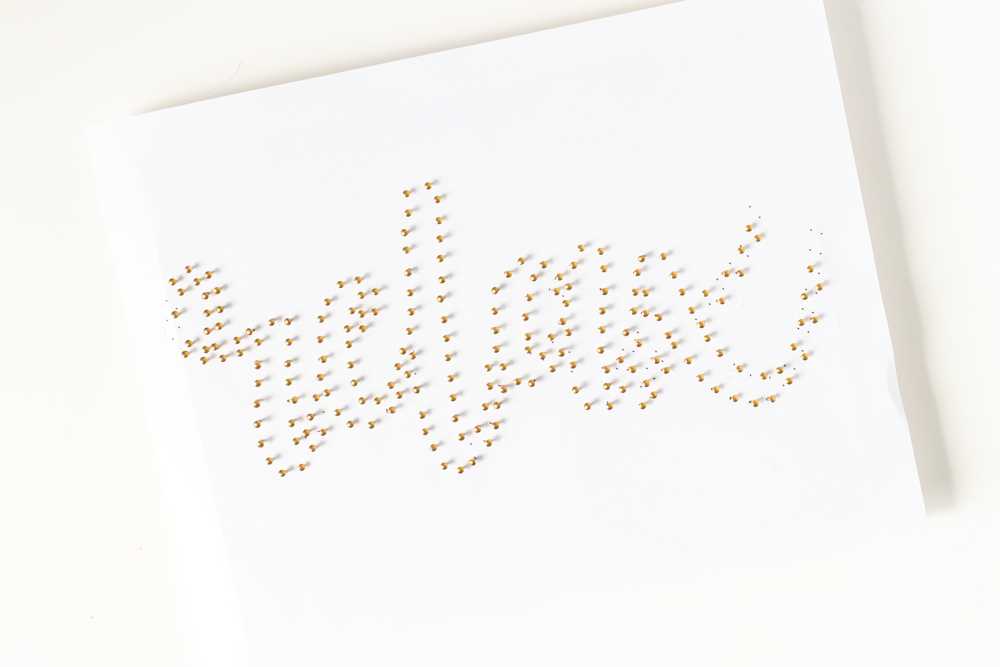
Begin by selecting a basic shape to form the structure of your design. Pinning key points onto a sturdy base such as cardboard or thick paper will provide the foundation for your pattern. From there, connect the pins with thread to form the desired shapes. The thread should be pulled taut enough to maintain the design’s integrity but not so tight that it warps the structure.
Start with simple, recognizable shapes like squares, triangles, or stars. These will give you a solid understanding of how the thread interacts with the pins and how to manage tension. Once you’re comfortable, experiment with more complex figures, incorporating curves and diagonal lines to add variety to your creations.
For a more dynamic effect, try using multiple colors of thread. Choose hues that complement each other for a subtle result or go bold with contrasting shades to create striking visuals. Layering threads or changing the direction of the stitching can add depth and texture, making each piece unique.
Guidelines for Creating Engaging Designs with Geometric Patterns
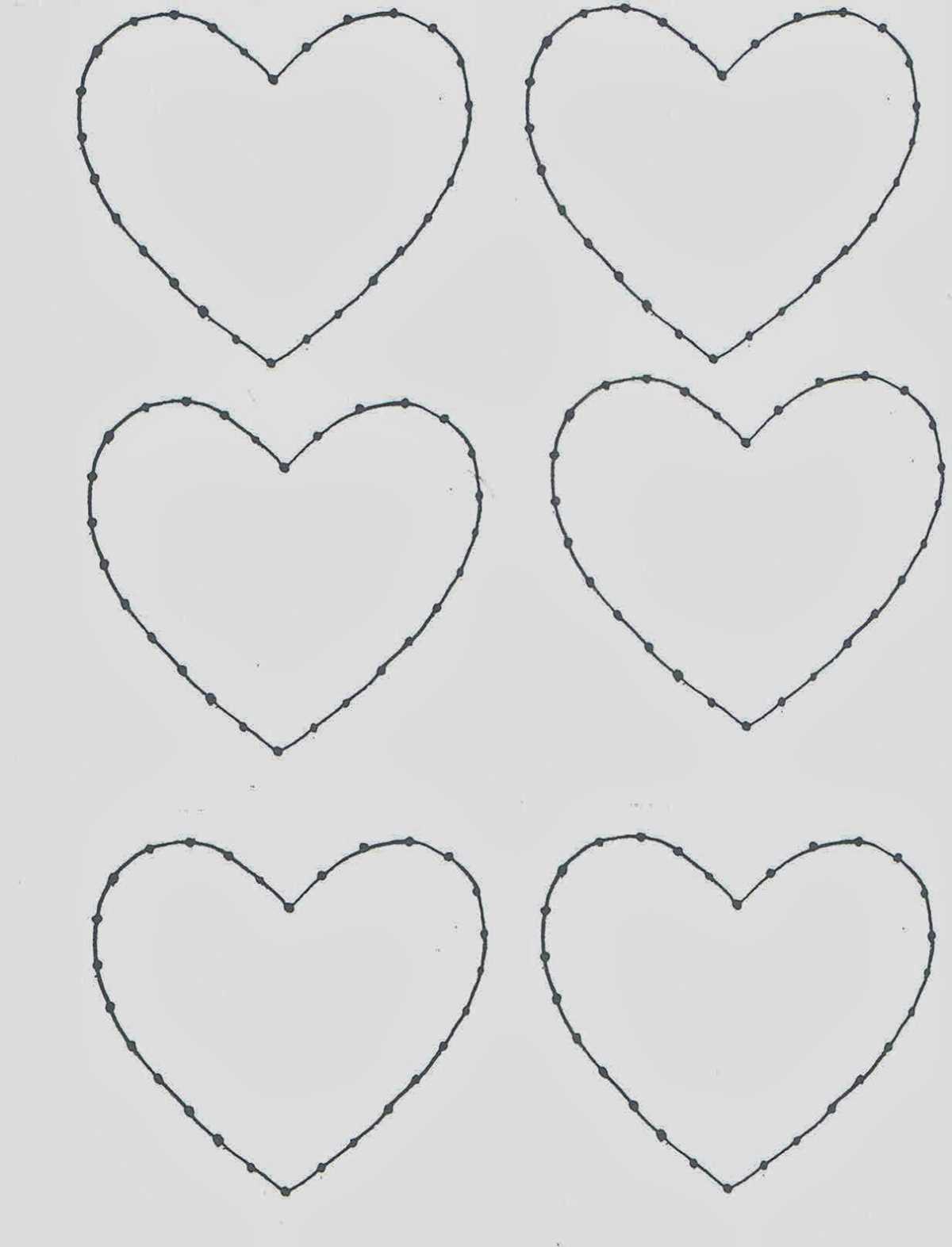
Choose a design with a simple geometric shape to begin your project. Shapes like stars, hearts, or spirals work well and are easy to follow. These basic structures offer clear outlines that can be filled with vibrant colors and intricate patterns.
Ensure your design has a clear, consistent grid. A good framework helps maintain symmetry and precision throughout the process. Drawing evenly spaced lines ensures the final outcome is balanced, making the task more manageable, even for beginners.
Consider using a variety of materials for different textures. While traditional thread works well, you can experiment with different kinds of cords or even thin wires for a more refined look. This adds a unique texture that enhances the overall aesthetic.
Plan out the number of points you’ll need. Use these points as anchor spots where you will wrap the string. Having predetermined locations for these will simplify the task and ensure your creation is proportionate and visually striking.
If you’re trying to achieve a more complex design, begin by focusing on one section at a time. Work systematically, sectioning off portions to avoid confusion. This approach helps in keeping the entire structure neat and organized as you build the piece layer by layer.
Use contrasting colors to highlight the shapes in your project. Lighter shades can be used for the main body, while darker hues can outline the edges for definition. Mixing colors allows the design to pop and enhances its visual impact.
For a polished finish, pay attention to the edges. Ensure all lines are taut and evenly distributed. This not only adds to the professional appearance but also helps in maintaining the integrity of the design for the long term.
Lastly, keep experimenting. Even if a design doesn’t turn out as expected, there’s always a chance to learn from the process. Try varying the patterns, experimenting with shapes, or adjusting the tension to discover new methods and refine your craft.
How to Choose the Right Printable Template for Your Project
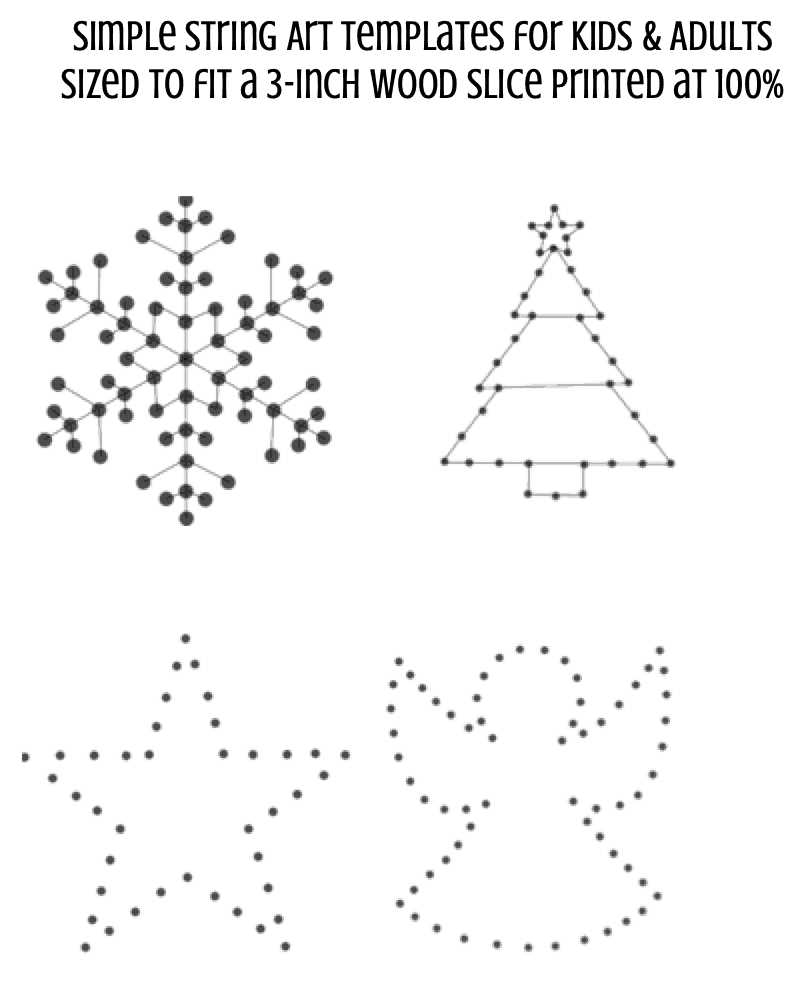
Pick a design that suits your skill level. For beginners, opt for simpler shapes with fewer lines and intersections. These are easier to follow and will help you gain confidence before tackling more intricate patterns.
Consider the scale of your work. Some designs may be too intricate to reproduce in large sizes without losing detail. Ensure the pattern is scalable and retains clarity when enlarged or reduced.
Match the style of your craft to the design. Geometric figures, abstract motifs, or organic forms each lend themselves better to different projects. Choose a theme that complements the space or occasion you’re designing for, like minimalistic shapes for modern decor or floral motifs for a rustic look.
Look at the complexity of the pattern. If you’re working with multiple colors, make sure the design accommodates this by having clear separations. Simple patterns may not allow for intricate color play, while more detailed ones can make your project more dynamic.
- Minimal: Ideal for beginners or quick projects.
- Complex: Better for experienced crafters seeking a challenge.
Think about the materials you’re using. Some patterns are more suited to thick threads or wires, while others may look best with finer, more delicate materials. Select a pattern that is compatible with your medium to ensure a seamless crafting experience.
Be mindful of the space you want to fill. If you’re designing a small piece, avoid overly detailed patterns that could become crowded. For larger areas, more intricate and expansive designs can create an impressive visual effect without seeming too busy.
Always double-check the pattern’s clarity. A design with well-defined edges will be easier to follow and execute without mistakes. Make sure the lines are clear and distinguishable, especially if the design is intricate.