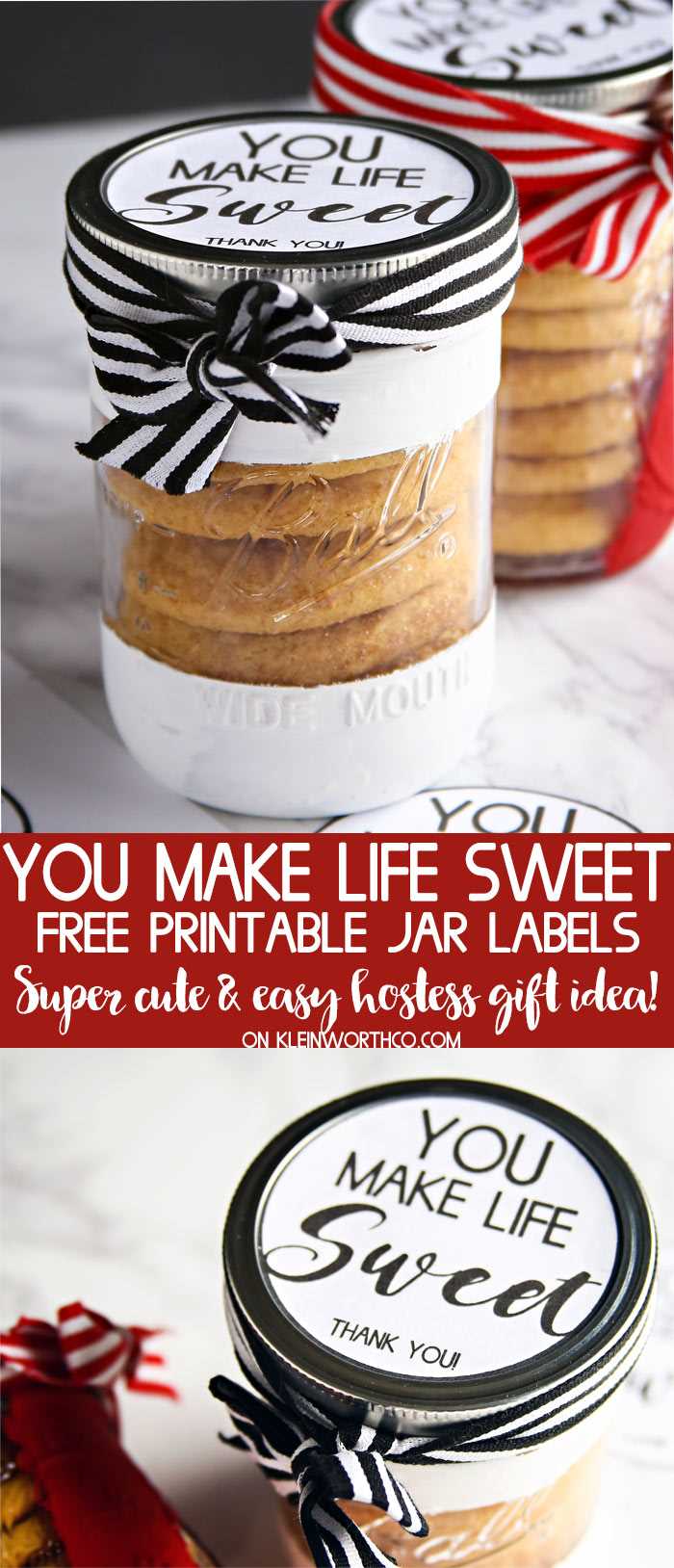
If you’re organizing your kitchen, pantry, or craft supplies, creating custom labels can add both function and style. With a bit of creativity, you can design these markers to suit your needs, whether you’re storing homemade goods or labeling art supplies. Here are some specific tips for creating personalized markers that make your containers stand out:
1. Choosing the Right Materials
Opt for materials that are durable and easy to apply. Adhesive paper, vinyl sheets, or glossy labels are popular choices. They’re resistant to moisture and wear, especially useful in kitchen environments where condensation might occur. For a more eco-friendly option, look for recycled paper or biodegradable alternatives.
2. Designing the Look
- Fonts: Select clear, legible fonts. Serif fonts offer a classic look, while sans-serif fonts give a modern touch.
- Icons: Adding small icons next to the text (e.g., a picture of a jam jar or spice container) can make the labels more visually appealing and easier to identify.
- Colors: Contrast is key. Use dark text on light backgrounds or vice versa to ensure readability.
- Shape: Round, square, or even scalloped edges–choose a shape that fits your container style. For mason jars, circular labels work well, while rectangular ones might suit spice containers better.
3. Personalizing with Text
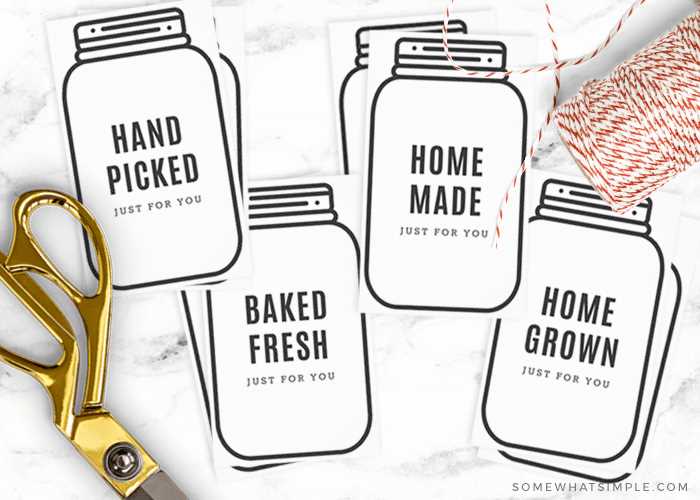
What you write on your markers is just as important as how they look. Consider including:
- Ingredient names
- Creation dates, such as “Made on [Date]”
- Expiration dates for food or beauty products
- Instructions or serving suggestions
4. Printing Techniques
When it comes to printing your designs, make sure your printer settings are optimized for the material you’re using. A high-quality printer will help your design come out crisp and professional-looking. If you’re printing at home, select “high-quality” in your printer settings for the best results. You can also consider using online printing services for large batches or premium finishes.
5. Application Tips
Ensure the surface of your container is clean and dry before applying the label. If you’re working with glass, wipe it down with rubbing alcohol to remove any oil or residue. For smooth and bubble-free application, carefully peel the label from the backing and apply it starting from one edge, smoothing it across the surface as you go.
6. Maintenance and Removal
If you plan to reuse containers, look for removable adhesives that won’t leave a sticky residue. For labels that need to stay put, consider laminating them for extra protection, especially when dealing with moist or oily conditions.
Personalized Labels for Preserves and Containers
Customize your storage containers with well-organized markers that help identify the contents easily. Use templates with clear fonts and simple designs to avoid clutter. Consider adding the name of the item, the date of preparation, and other relevant details. Simple yet legible labels can enhance the aesthetic of any kitchen shelf while keeping everything in order.
For a more distinct look, experiment with different fonts and shapes. Stick to dark colors for a striking contrast against lighter backgrounds, or use soft pastels to match your kitchen decor. Don’t forget to leave enough space for hand-written notes if you like adding personal touches after printing.
Opt for reusable materials such as vinyl or laminated options. These types resist moisture and wear, making them perfect for high-humidity areas. After printing, apply a protective layer to ensure longevity, especially when handling containers frequently.
If you’re organizing a variety of items, consider color-coding the labels for easy differentiation. This technique adds a practical, visual element to your storage system and prevents confusion. Whether you’re preparing preserves, spices, or other kitchen staples, clear and thoughtful labeling will always help streamline your routine.