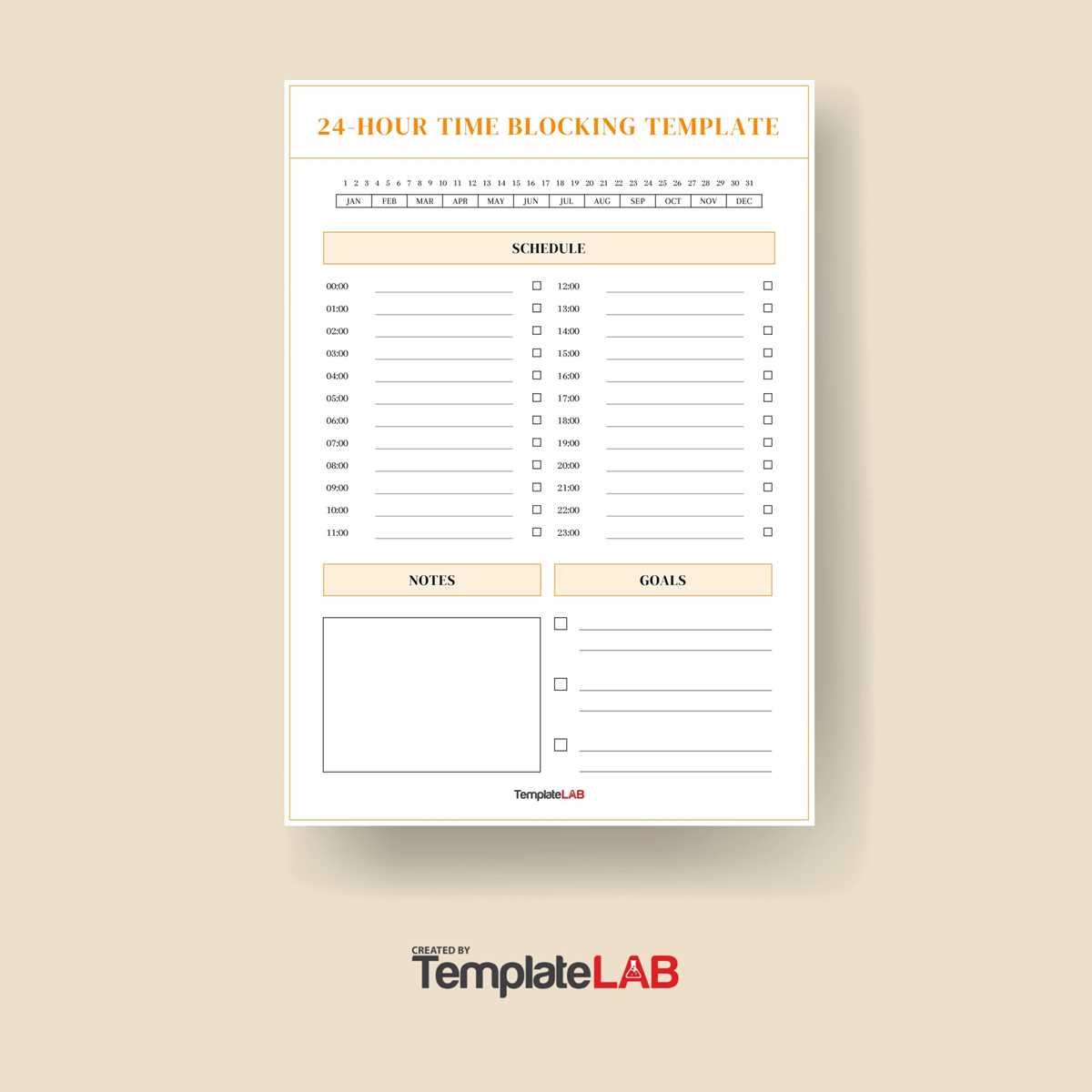
If you’re struggling with managing your daily tasks, a well-structured schedule can make a huge difference in your productivity. By dedicating specific hours to certain activities, you can create a clear and actionable plan that helps you stay on track and avoid distractions. Here’s how to approach it efficiently.
Key Benefits of a Structured Daily Plan
- Maximized productivity: Assigning time slots for each task allows you to focus without interruptions.
- Reduced stress: Knowing exactly what needs to be done and when eliminates uncertainty.
- Better time management: Helps allocate enough time for work, rest, and personal activities.
Steps to Create Your Own Schedule
- Assess your tasks: Begin by listing all tasks that need attention, from work to personal errands.
- Set realistic time slots: Assign a reasonable duration for each task based on its complexity and priority.
- Prioritize: Identify high-priority activities that must be completed first and dedicate uninterrupted time for them.
- Include breaks: Remember to add short breaks to recharge, improving focus for the next task.
- Be flexible: Sometimes things may run over, so adjust the remaining activities as needed.
How to Use a Template Effectively
A printed daily planner sheet is an excellent tool for this. Here’s how to make the most out of it:
- Consistency: Use it every day to track your progress and review what was completed.
- Clear divisions: Keep tasks within clear time frames to avoid task overlap.
- Customize: Adjust sections based on your routine (work, meetings, relaxation, etc.) and preferences.
By sticking to a clearly defined schedule, you’ll start noticing improvements in your ability to meet deadlines, balance work-life activities, and reduce feelings of overwhelm.
Organize Your Day with Precision

Begin by allocating distinct slots for each task. A well-structured schedule enhances focus and limits distractions. Divide the day into manageable units based on priority. For example, mark off hours dedicated to high-concentration tasks, followed by lighter duties. This method maximizes mental clarity and keeps momentum throughout the day.
Assign specific tasks to precise time periods. If a project requires undivided attention, set aside uninterrupted intervals. For recurring tasks like meetings or calls, repeat the same time slots each day to create consistency. Repetition builds rhythm and helps reduce mental overload by limiting decision fatigue.
Consistency is key: Adjust the length of each block according to your productivity levels. Shorter intervals may work best for tasks demanding intense focus, while longer ones can suit routine work. Make sure the periods for breaks are spread out, as rest ensures high performance across the board.
Review and refine your approach weekly. Assess what worked well and what needs adjustment. As your goals shift, tweak the schedule to reflect current priorities. A flexible framework helps maintain structure while accommodating changes in your workflow.