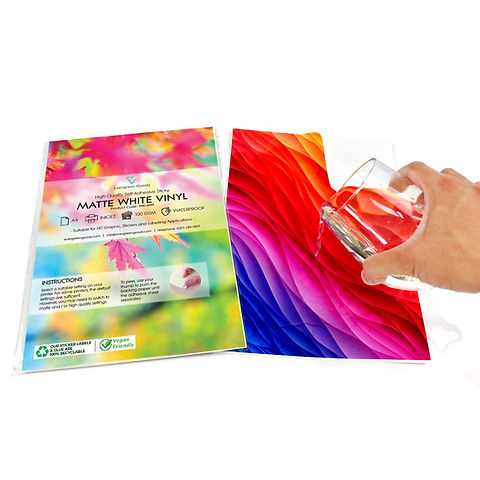
Choose a coated adhesive film rated at 80–100 microns with a permanent acrylic glue for labels that must resist water, abrasion, and sunlight. Sheets designed for inkjet devices should feature a microporous top layer that absorbs dye or pigment inks within 2–5 minutes, reducing smearing and edge bleed. For laser devices, select heat-stable media that tolerates fuser temperatures up to 200°C without curling.
Use print settings for photo paper or specialty media to increase ink density by 10–15% and disable automatic color correction. This improves saturation and sharpness on glossy surfaces. Allow at least 30 minutes of drying time before cutting; pigment inks may require up to 24 hours to reach full scratch resistance. For outdoor graphics, apply a clear laminate film with UV inhibitors to extend fade resistance to 2–4 years.
Prepare the surface by cleaning with isopropyl alcohol at 70% concentration and ensure it is dry and dust free. Apply decals at temperatures between 10°C and 30°C. Use a plastic squeegee at a 45-degree angle to press from center outward, minimizing trapped air. For curved objects, warm the film gently with a heat gun at low setting to improve flexibility and adhesion.
Material Selection Printing Setup and Long Term Performance
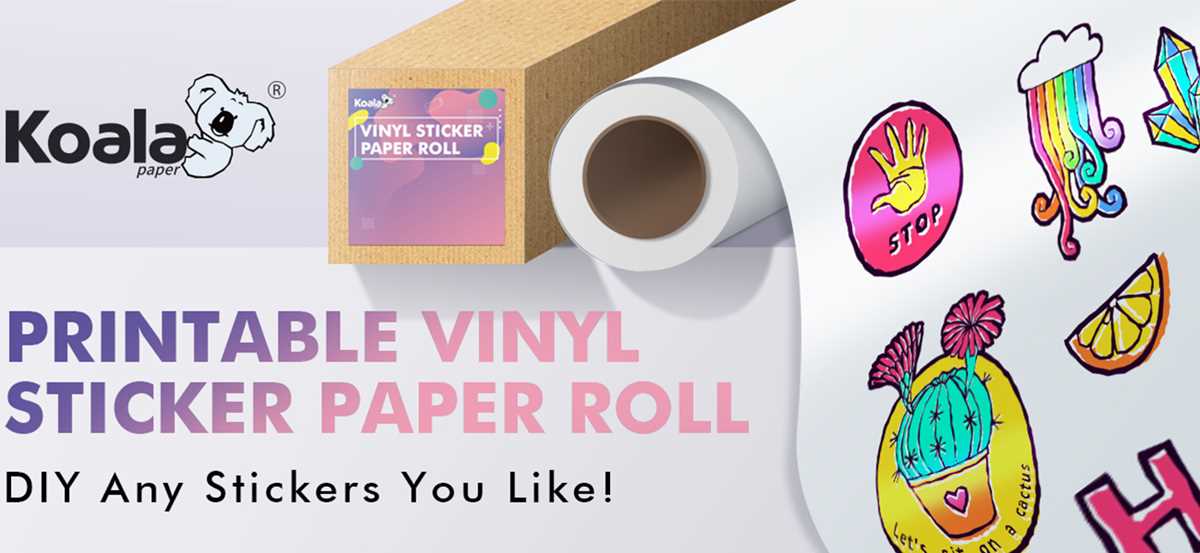
Choose a polymer film with a thickness of 90 microns and a solvent based acrylic adhesive rated for five year outdoor exposure if the graphic will face rain and UV radiation. For indoor labeling on packaging or office equipment, a 70–80 micron monomeric film with removable glue prevents residue during removal.
Match the media to your device type. Inkjet sheets require an ink receptive coating that locks in pigment within minutes, while laser compatible films must withstand fuser heat without warping. Verify compatibility in the manufacturer’s data sheet and keep humidity between 40–60% during printing to avoid static and feeding issues.
Set resolution to 1440 dpi for photo grade graphics and reduce print speed to improve color density. Disable borderless mode to prevent pooling at the edges. After printing, place the sheets on a flat surface for at least 30 minutes; pigment inks reach higher abrasion resistance after 12–24 hours.
Apply a transparent overlaminate 70–100 microns thick for abrasion and chemical protection. A gloss finish increases color depth, while matte reduces glare on product labels. Use a cold roll laminator with even pressure to prevent silvering.
Cut graphics with a plotter set to blade depth that only penetrates the film layer without scoring the liner. Perform a small test cut and adjust force in 5–10 gram increments until edges are clean.
Clean the application surface with 70% isopropyl alcohol and allow it to dry fully. Install graphics at temperatures between 10°C and 30°C, pressing from the center outward using a felt edged squeegee to push out trapped air.
For curved or textured substrates, warm the film gently to about 40–50°C to increase flexibility and bond strength. Avoid overstretching; excessive tension can cause lifting along edges after several weeks of exposure.
How to Select Vinyl Type Based on Surface and Indoor or Outdoor Use
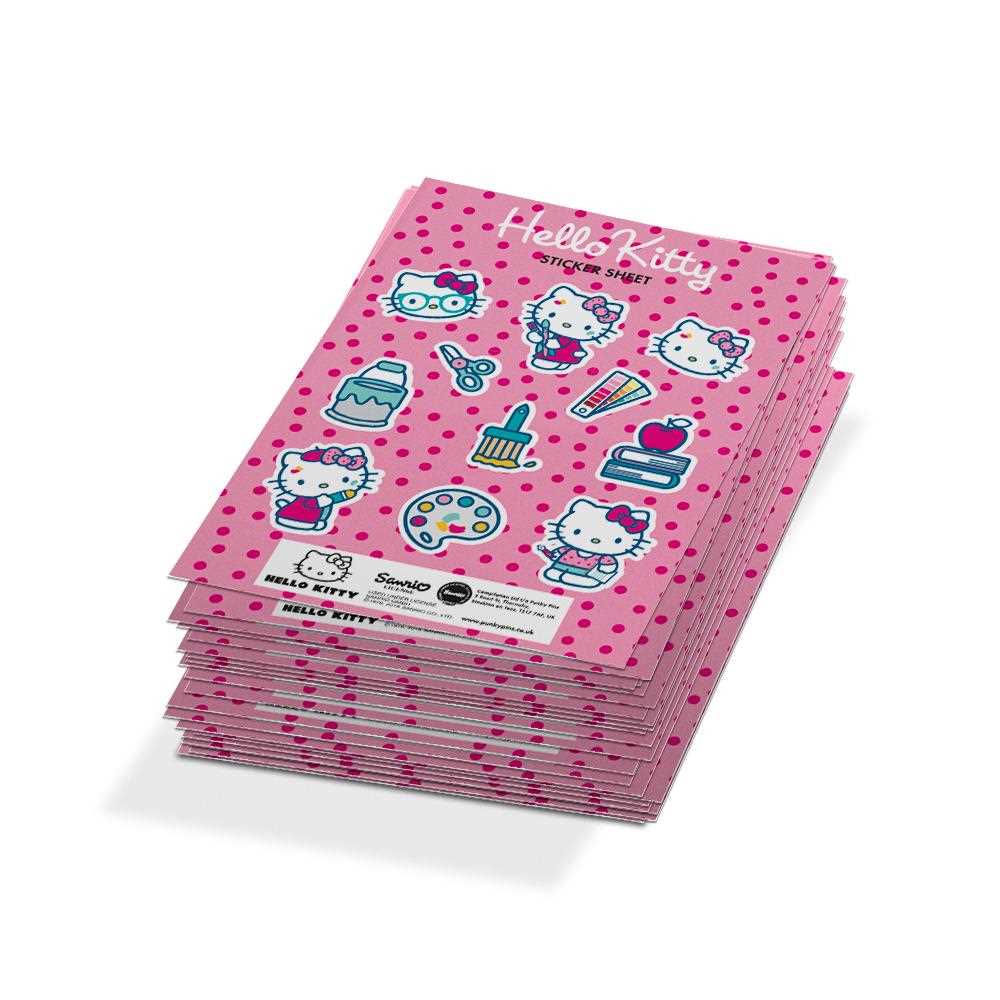
Choose a polymeric film with permanent acrylic adhesive for exterior walls, vehicles, and equipment exposed to moisture and sunlight; select a monomeric calendered film with removable glue for short term indoor graphics on glass, plastic, or painted panels.
Match the film structure to the surface type:
- Smooth glass or metal: 70–80 micron calendered film with clear permanent adhesive.
- Painted drywall: removable adhesive with low initial tack to prevent paint lift.
- Curved vehicle panels: 50–70 micron cast film that conforms without edge lifting.
- Textured plastic: high tack adhesive rated above 18 N/25 mm peel strength.
For outdoor exposure longer than three years, use cast material with UV stabilized face stock and solvent based adhesive. Check manufacturer ratings for temperature resistance from −30°C to +80°C and water resistance certification. Add a UV protective overlaminate if the graphic will face direct sunlight daily.
Consider installation conditions:
- Apply at 10–30°C surface temperature.
- Avoid mounting on damp or dusty substrates.
- Allow painted surfaces to cure for at least 14 days before application.
- Use primer on low energy plastics such as polypropylene if adhesion tests fail.
Test adhesion by applying a 2×2 cm sample to the target surface and checking bond strength after 24 hours. If edges curl or lift, increase adhesive tack level or switch to a cast construction designed for dimensional stability.