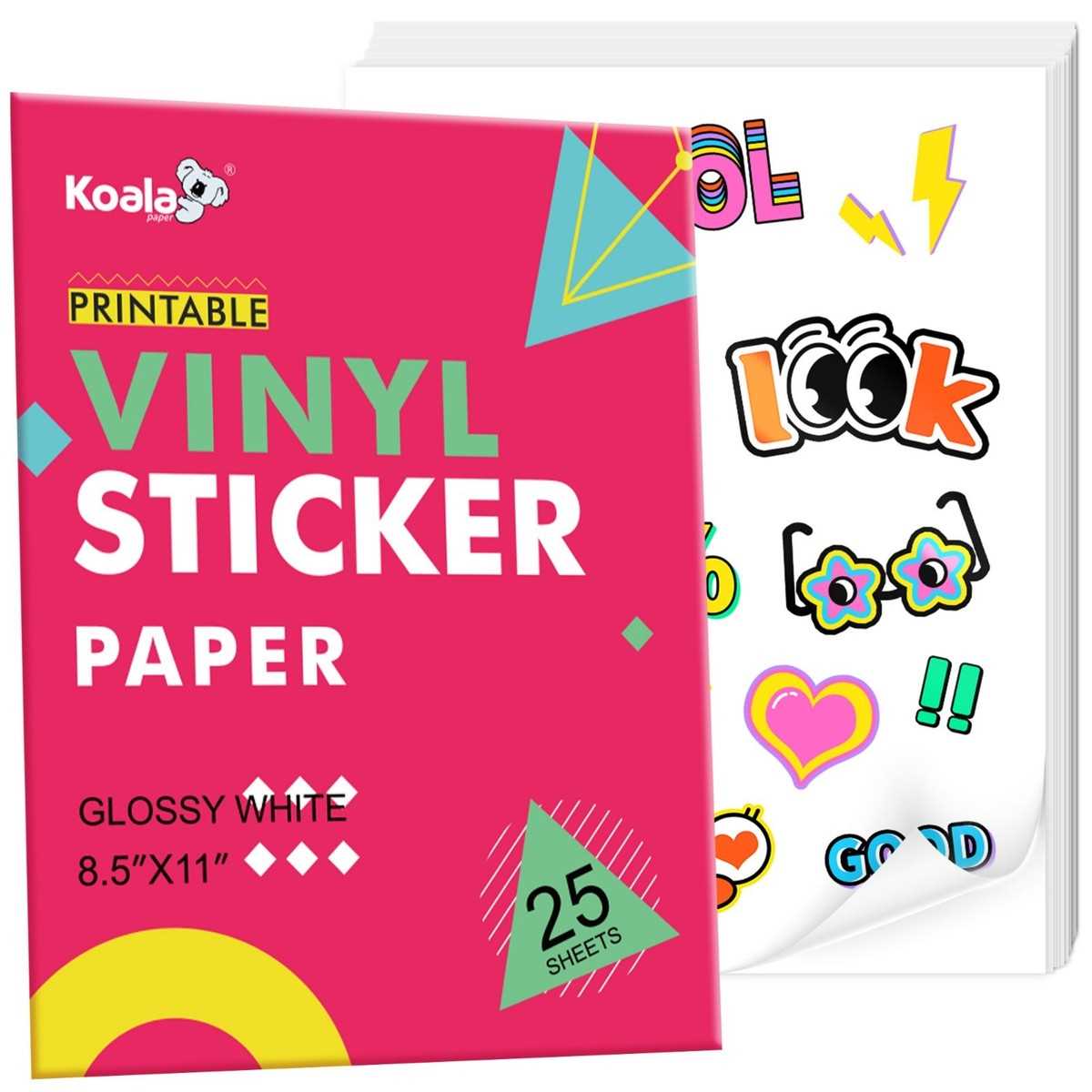
If you’re working on a project that needs durability and resistance to moisture, consider using a material designed for both precision printing and weatherproofing. Opt for a robust sheet that can withstand elements like rain, humidity, or splashes without compromising the quality of your designs. These materials are perfect for labels, decals, or custom graphics that will be exposed to outdoor conditions or frequent contact with water.
Before you start printing, ensure your printer is compatible with the specific type of surface you’re using. Look for products that offer smoothness and a glossy finish, ensuring that ink adheres well without smudging or fading over time. Additionally, it’s important to choose high-quality sheets that are compatible with various ink types, including dye and pigment-based inks, for the best results.
When it comes to application, precision matters. Whether you’re applying these sheets to water bottles, outdoor signage, or even car decals, make sure the surface is clean and dry to avoid peeling or bubbling. A proper sealant or lamination can further protect your designs, providing extra resistance against scratches and prolonged exposure to harsh conditions.
Durability and Versatility for Outdoor Projects
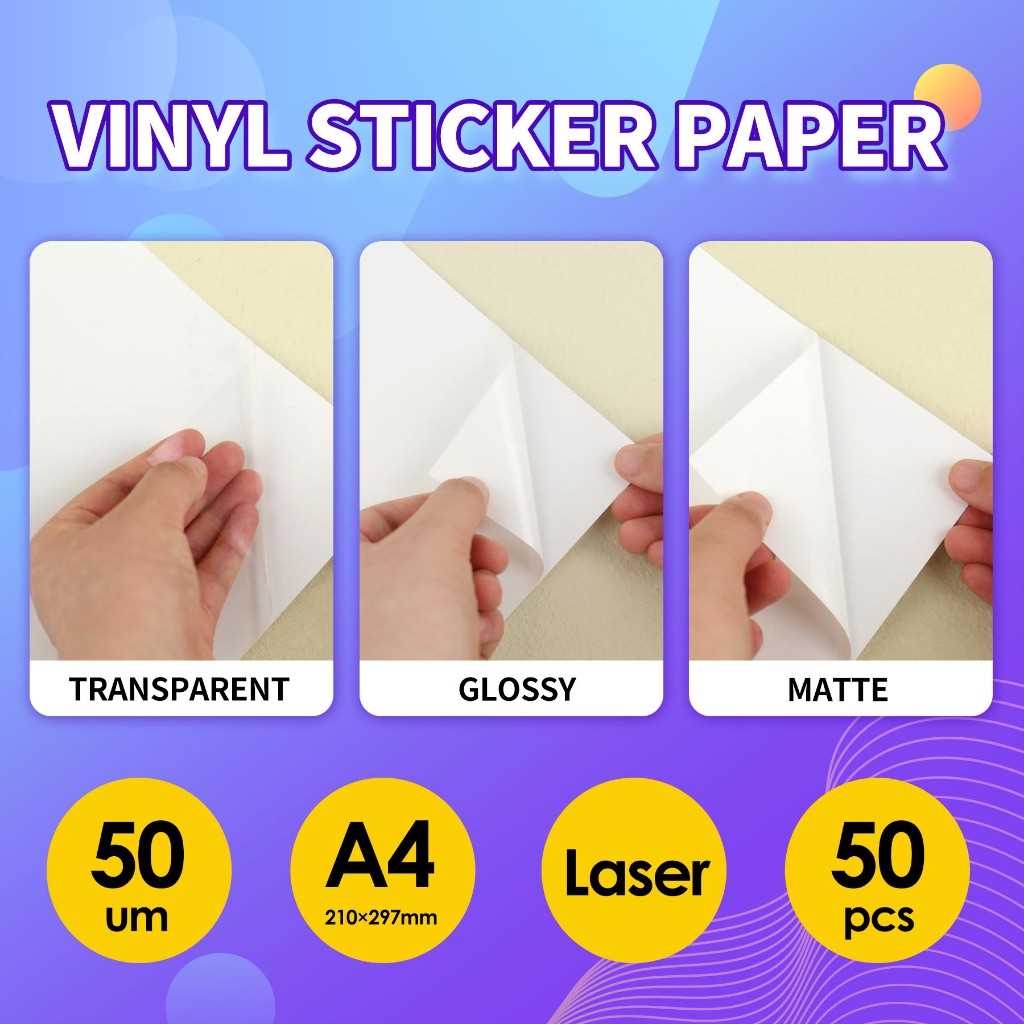
For projects that will face frequent exposure to moisture or extreme weather conditions, select a material that offers both resilience and clarity in print. Look for options that resist fading, peeling, or warping when exposed to water, sunlight, or temperature fluctuations. These sheets are ideal for creating custom labels for products that are used outdoors or in environments where durability is key. Choose a high-quality adhesive backing to ensure long-lasting application, especially on irregular surfaces like bottles or containers.
When printing on these materials, it’s crucial to use the correct settings on your printer to achieve sharp, vibrant results. Pay attention to the type of ink you’re using as well, with pigment-based inks offering better resistance to water and UV exposure compared to dye-based options. After printing, consider applying a protective coating for additional resistance against abrasion and environmental wear. Proper care during both the printing and application process will ensure your designs remain intact, even under challenging conditions.
Choosing the Right Waterproof Printable Vinyl for Your Project
Selecting the right material for your project starts with understanding the environment your designs will be exposed to. If your items will be used outdoors or in areas with high humidity, choose a product that can withstand these elements without degrading. Some materials are specifically designed for rugged use and offer high resistance to both water and abrasion. For projects like custom decals, labels, or outdoor signage, ensure you choose a surface that is rated for such conditions.
Look at the finish of the material. Some options offer glossy or matte finishes, while others may provide a more textured or satin surface. A glossy finish will enhance the vibrancy of colors and sharpness of the design, making it ideal for applications where visual appeal is critical. On the other hand, matte finishes are better suited for projects that require less shine, such as labels that need to blend seamlessly into their environment.
The weight and thickness of the material are also key factors to consider. Thicker materials are generally more durable and are less prone to tearing or stretching. However, thinner options may offer more flexibility, making them suitable for curved surfaces or smaller, more intricate designs. If you need to apply these sheets to irregular or rough surfaces, choose a more robust option that has a stronger adhesive backing.
- Ink Compatibility: Different materials may work better with specific ink types. If you plan on using dye-based inks, look for products with a smooth finish that can absorb the ink evenly. For pigment-based inks, ensure that the material can handle higher ink densities without losing clarity.
- Adhesive Type: Depending on the project, the adhesive backing can make a significant difference. For permanent applications, opt for a strong adhesive that bonds well to most surfaces. Removable adhesives are ideal for temporary applications, such as temporary signage or promotional materials.
Consider the durability of the design itself. Some sheets may resist fading better than others, especially under direct sunlight. If your project involves outdoor exposure, it’s wise to choose a material that offers UV resistance to prevent the colors from deteriorating over time. A material that is not UV resistant will cause your design to lose vibrancy much faster.
Testing a sample before committing to a large batch is always a good practice. Print a few designs on different materials and apply them to the surface you intend to use them on. This will allow you to evaluate the adhesion, flexibility, and overall appearance before starting the final production run.
Lastly, consider the ease of cutting and applying the material. Some options are easier to cut with standard cutting machines, while others may require specialized equipment. If you plan on creating intricate designs, make sure the material is compatible with the tools you intend to use for cutting or shaping the product.