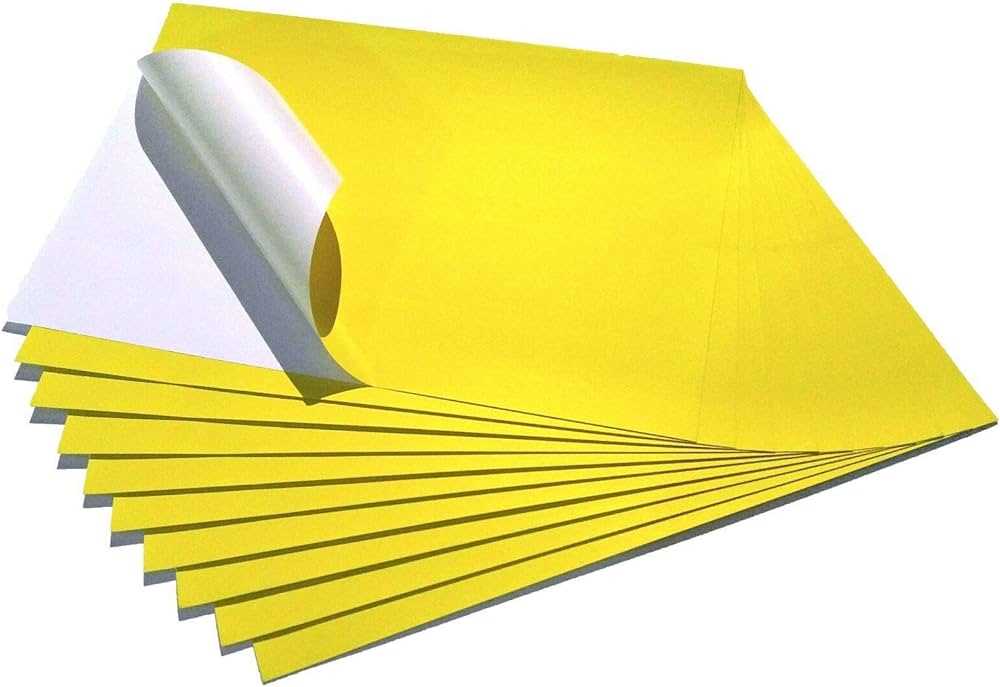
Choose a light lemon or pastel tone sheet if you plan to print black text, since darker shades reduce readability. For most home printers, a brightness level around 85–92 and weight of 80–100 gsm works well for worksheets and notes without causing jams.
Use thicker colored stock (160–200 gsm) for greeting cards, cutouts, or layered craft work. Thin pages tend to curl after heavy ink coverage, especially with inkjet printers. Always check your printer’s manual feed slot if you switch to heavier material.
Store sun-toned sheets in a dry, flat folder away from direct light. Prolonged exposure can fade the color and create uneven tones across the surface. Keeping multiple shades–from pale butter to deep gold–helps match different classroom themes and design needs without last-minute adjustments.
Yellow Printable Paper for Crafts School Projects and Creative Printing
Pick a pale sun-toned sheet with brightness above 85 if the page will carry black text or fine graphics. Light shades keep contrast sharp, while deeper gold hues are better suited for headings, borders, and decorative backgrounds.
Use 80–100 gsm stock for worksheets, spelling lists, and handouts that students will write on. This weight feeds smoothly through most home and school printers without skewing or multi-sheet pulls.
Switch to 160–200 gsm colored cardstock for craft builds such as greeting cards, classroom badges, or layered collages. Thicker material keeps edges crisp after cutting and supports glue without warping.
Adjust printer settings to “plain” or “light cardstock” depending on the weight you load. Disable heavy ink modes unless deep color coverage is required, because oversaturation can cause smudging on coated surfaces.
Test one sample page before running large batches. Check for color shift, streaks, and alignment. Small adjustments at this stage save both ink and materials.
For classroom organization, assign different sun-shade tones to subject groups–for example, pale butter for math and deeper amber for reading packets. This visual coding helps students sort materials quickly.
Store unused sheets flat in a sealed folder with humidity below 60 percent. Curled edges often lead to printer jams and uneven feeding, especially in older machines.
Keep digital layouts in both PDF and high-resolution PNG formats so the same colored page design can be reused for handouts, craft bases, or bulletin board elements without rebuilding the file.
Which Paper Weight Works Best for Yellow Sheets in Different Tasks
Choose 80–90 gsm sun-toned sheets for everyday classroom printing such as worksheets, reading passages, and draft notes. This weight feeds reliably through most inkjet and laser printers and keeps stacks light for student folders.
Use these weight guidelines for specific tasks:
- 100–120 gsm – double-sided handouts, schedules, and reference pages that need extra stiffness
- 160–200 gsm – greeting cards, cut shapes, flashcards, and craft bases
- 220–250 gsm – display pieces, small signs, and layered classroom decor
Test heavier stock through the manual feed tray and select the matching media type in printer settings. Thicker sheets require slower feed speed, and skipping this step often leads to skewed prints or partial ink transfer.