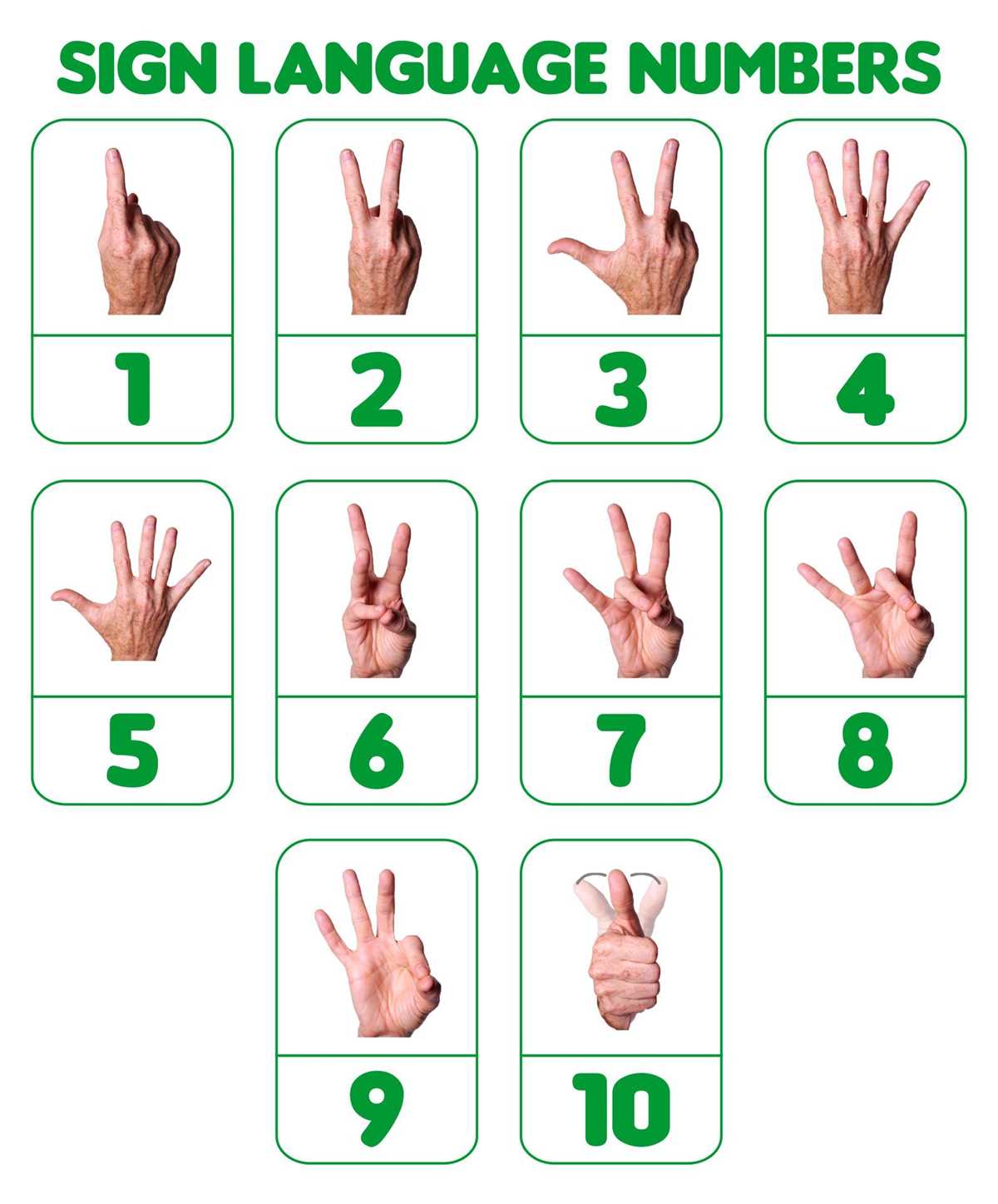
To begin using hand signs effectively, focus on learning the most common expressions for communication. Start with simple phrases like greetings, common needs, and essential questions. Mastering these will quickly improve your ability to interact in basic conversations.
To practice, incorporate these gestures into your daily routine. Label objects in your environment with their corresponding motions to reinforce memory. Repetition will help solidify your understanding and make these motions more natural.
For a more structured approach, consider using a visual guide or a reference chart. These materials can serve as helpful tools, giving you a quick and easy way to review and practice while increasing your confidence in performing gestures correctly.
100 Key Gestures to Start Communicating Today
Start with greetings and simple phrases like “hello,” “thank you,” and “goodbye.” These gestures are easy to learn and will allow you to begin communicating right away. Practice these daily to gain confidence in your ability to interact in different situations.
Next, move on to expressing common needs. Phrases such as “help,” “water,” or “eat” will enhance your interactions. Combine these with body language and facial expressions to convey your message more effectively, creating a natural flow in your communication.
Once you’ve mastered basic expressions, try learning phrases related to asking questions or offering help. “Where,” “when,” and “why” will help you gather information, while “please” and “sorry” add politeness to your gestures. Consistency in practicing these can improve your communication and deepen your understanding of the method.
How to Learn and Use 100 Basic Gestures
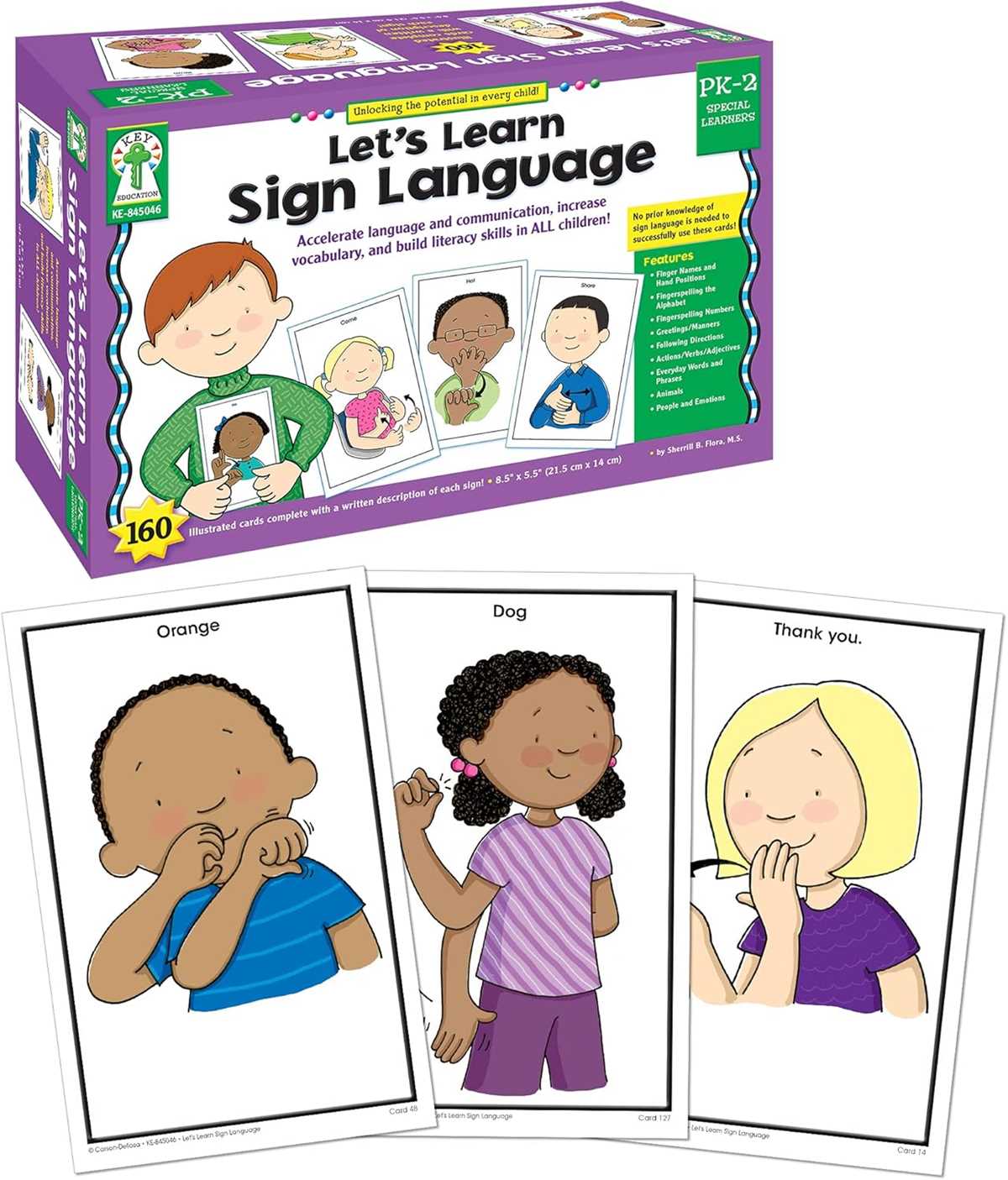
Begin by focusing on the most common gestures used for greetings, such as “hello,” “goodbye,” and “thank you.” These simple expressions are easy to memorize and provide an immediate way to start communicating. Spend time practicing these gestures in front of a mirror to ensure proper hand shapes and movements.
Next, add gestures related to everyday needs like “water,” “food,” and “help.” These are practical and will help you engage in basic conversations. Pair these gestures with corresponding body language and facial expressions for clearer communication.
When learning new gestures, break them down into smaller steps. Focus on mastering one gesture at a time and repeat it until it becomes natural. For example, learn “please” before moving on to more complex phrases. This approach ensures that you don’t feel overwhelmed and helps build a strong foundation.
For memorization, create flashcards with images of the gesture on one side and its meaning on the other. Regularly reviewing these flashcards will reinforce your memory and make it easier to recall gestures when needed. You can also test yourself by attempting to communicate using only gestures.
Incorporate these gestures into your daily life. Use them when interacting with friends, family, or even strangers to reinforce your learning. Try using the gestures when you’re not speaking and make it a habit to recognize the hand movements in your environment.
Once you’ve mastered the basics, move on to more complex expressions, like “how are you?” or “what is your name?” These will allow you to ask simple questions and continue conversations. Don’t worry if you’re not fluent at first–practice will make these gestures feel more natural over time.
Seek out online resources or join local groups that practice non-verbal communication. These environments will provide an opportunity for real-world application and allow you to learn from others. Learning in a group also gives you a chance to ask questions and gain immediate feedback on your technique.
Finally, continue practicing consistently. Like any skill, learning a new way of communicating requires time and regular practice. Set aside time each day to review and practice gestures, and soon you’ll be able to use them confidently in everyday situations.