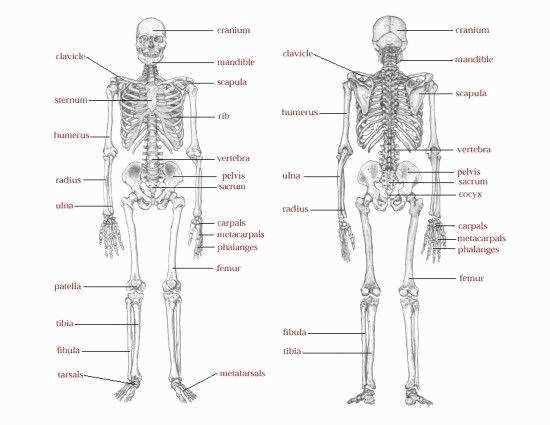
Start by organizing tasks that target the key components of the human skeleton. Focus on identifying and labeling bones, understanding their function, and exploring their locations. These exercises should be interactive to engage students, making learning both fun and educational.
Labeling Exercises for Bone Identification
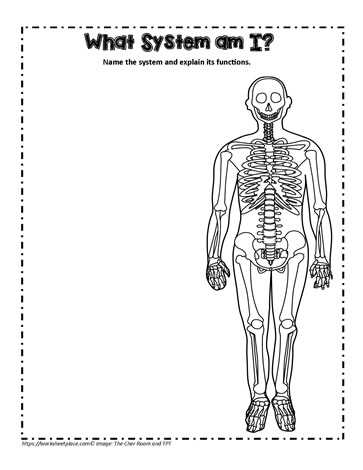
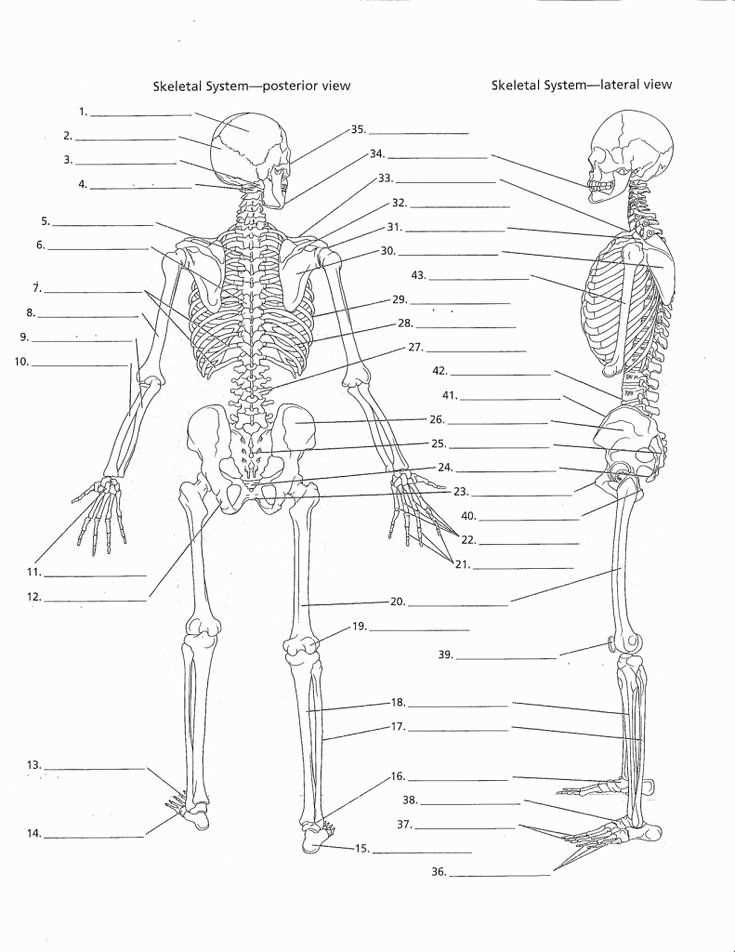
Provide diagrams of the human skeleton and challenge learners to correctly label each bone. Begin with the major bones like the femur, tibia, and skull, and gradually introduce smaller bones as students become more confident. For advanced learners, include detailed images with complex bone structures like the hand and foot bones.
Use a mix of multiple-choice questions and fill-in-the-blank formats to reinforce knowledge. Ensure each activity has a clear key so that students can check their answers and learn from any mistakes. To further enhance the experience, incorporate color-coding or shading to visually highlight different bone categories, such as the axial or appendicular skeleton.
Activities for Understanding Bone Functions
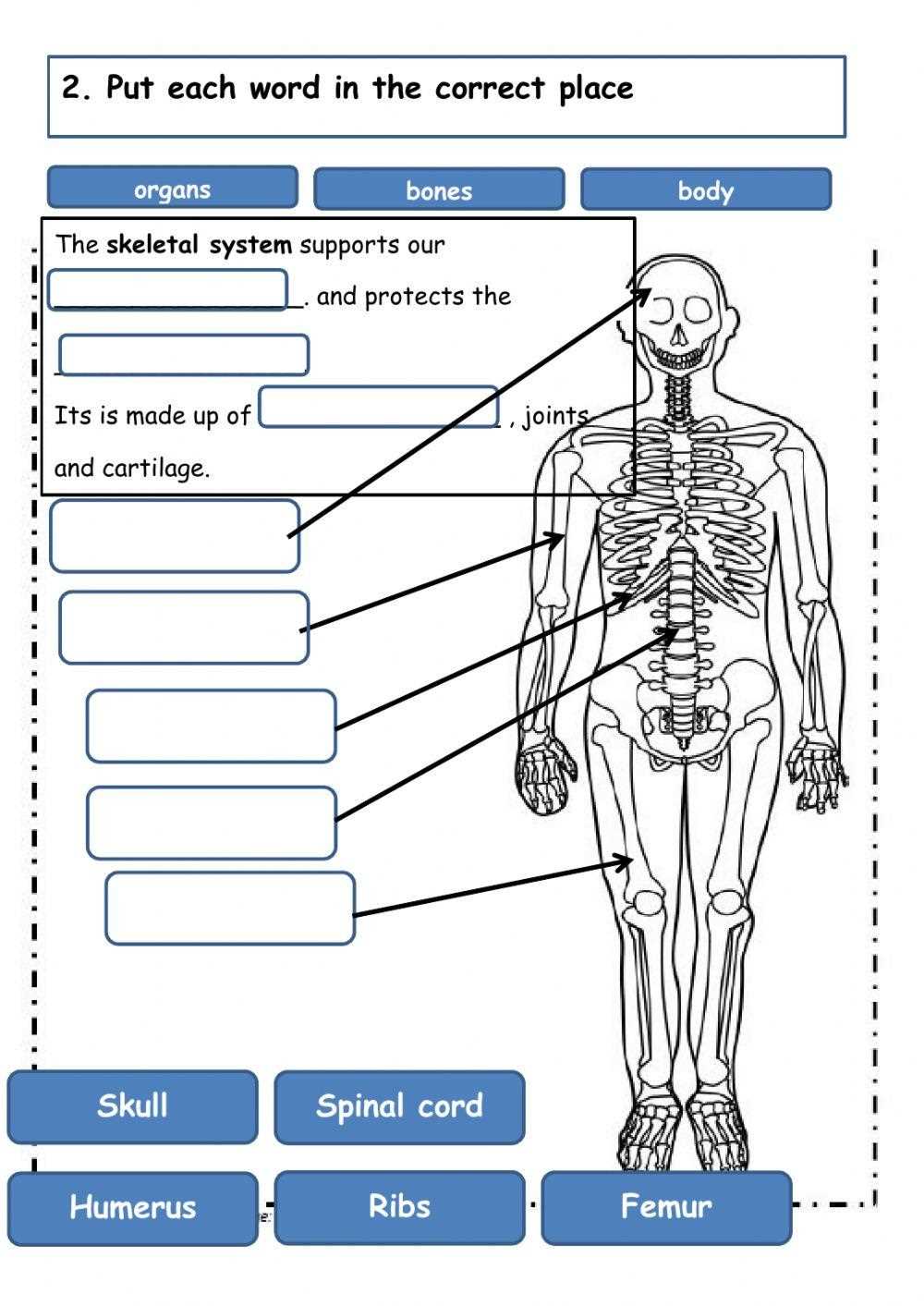
Incorporate exercises that explain the roles bones play in the body, such as supporting structure, protecting organs, and enabling movement. Create matching games where students pair bones with their functions, like matching the skull with brain protection or the femur with leg support and movement.
Interactive quizzes can also help students grasp the significance of bone health. Ask them to identify bones that are most likely to fracture during certain activities or in particular age groups. Use scenarios or real-life examples to make the content more relatable. For example, after a short lesson on the spine, present a scenario where the spine is critical for posture and flexibility in athletic activities.
Building Knowledge with Bone Jargon
- Osteology terms: Make sure to introduce key terms like “osteoblasts,” “cartilage,” and “joint” to expand students’ understanding of the skeletal system.
- Bone Density: Discuss bone density and why it decreases with age or due to diseases like osteoporosis. Include simple exercises to demonstrate how bones become weaker or more brittle.
Creating Interactive Learning Tools
For a hands-on approach, use 3D models or virtual simulations of the human skeleton. These tools allow students to rotate and zoom in on bones to better understand their structure. If resources are limited, printable models can be cut out and assembled as an alternative. These activities encourage tactile learning and visual exploration.
Finally, don’t forget to incorporate questions and discussions that encourage critical thinking. Ask students why certain bones are shaped the way they are, or how bone diseases might affect their function. These conversations help solidify concepts and allow students to connect what they’ve learned to real-world applications.
How to Utilize Educational Materials for Learning About the Human Skeleton
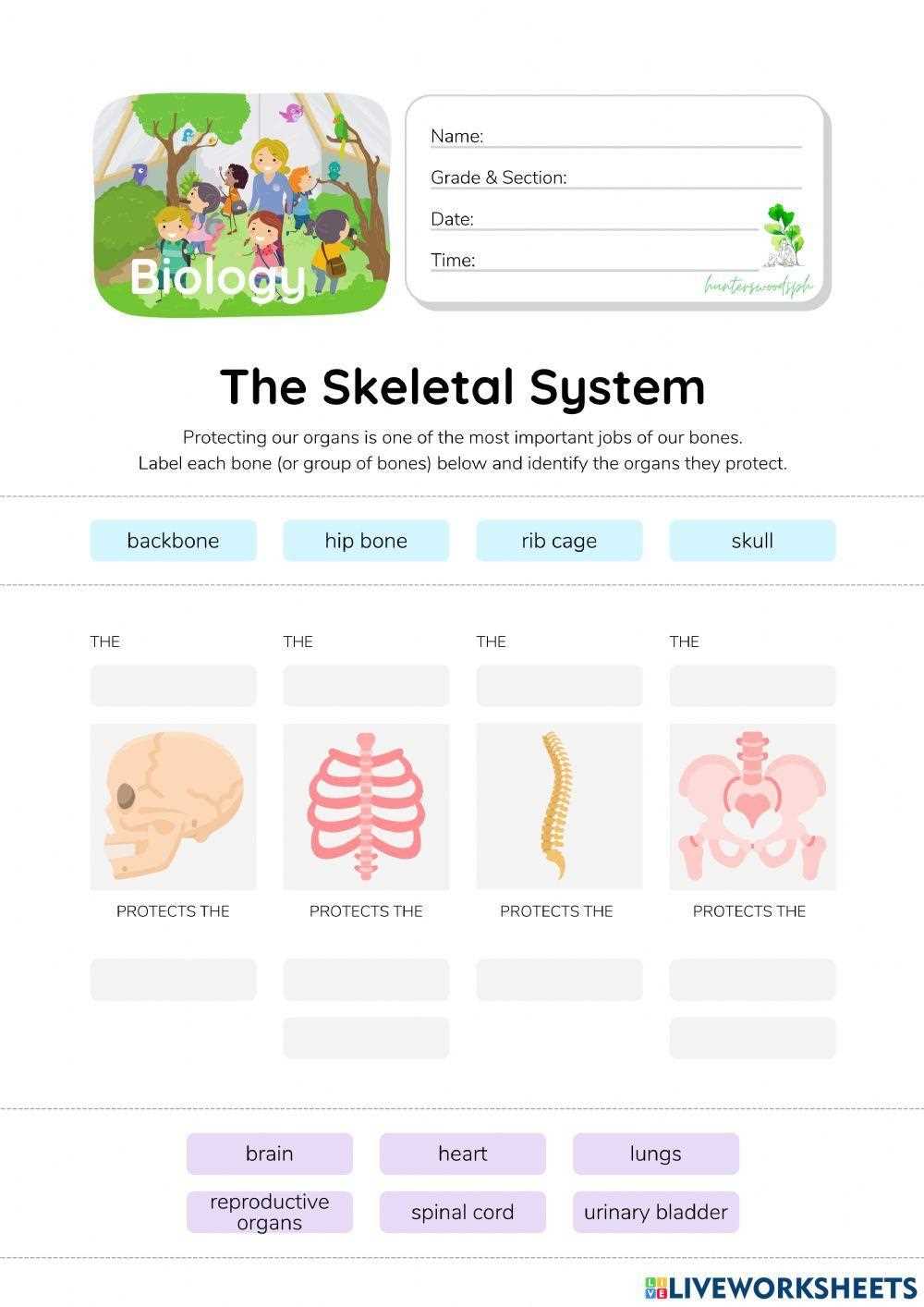
For students studying the human body, having access to clear, organized materials can significantly enhance their understanding. Start by providing diagrams of the human body with labeled bones. Focus on identifying the main skeletal structures such as the skull, spine, ribs, and limbs. Once these key bones are understood, gradually introduce more specific parts like hand bones or foot bones.
One of the most effective ways to engage learners is through activities that involve labeling different bones on an image. Begin with basic exercises where students match bone names to visual representations. As they become more comfortable, move to more challenging activities like filling in blank diagrams or identifying bones by function rather than name.
For students who prefer tactile learning, consider creating cut-out bone models that can be assembled. These hands-on activities reinforce the spatial understanding of how the bones fit together in the body. It also encourages active participation and can be a fun, interactive way to learn about bone structure.
For deeper learning, incorporate exercises that explain bone functions. For example, ask students to match bones with their functions–like the femur for weight-bearing or the ribs for protecting vital organs. These exercises will help them understand not just the names of bones, but their significance in the overall structure of the body.
To reinforce memory retention, provide short quizzes after each lesson. These can include matching, multiple-choice, or short-answer questions about the names and functions of the bones. Quizzes should range in difficulty so that learners of different levels can engage with the material and challenge themselves over time.
Visual aids are also a great way to make complex anatomical structures easier to comprehend. Use skeleton models or 3D renderings where learners can interact and see bones from different angles. This is especially useful for understanding how the body moves and how bones work together at joints.
As students gain a better grasp of basic bone knowledge, introduce more advanced topics such as bone diseases or the process of bone healing. Explain conditions like osteoporosis, arthritis, or fractures and ask students to identify which bones are most susceptible. Understanding these topics allows students to connect the theoretical aspects of the human body with real-world medical applications.
Lastly, encourage students to engage in group discussions or projects where they apply what they’ve learned. Having them work together to create a large-scale diagram or a presentation about the human skeleton will help solidify their knowledge and allow them to explain concepts to their peers, further reinforcing their understanding.