Engage Young Minds with Space-Themed Learning
Printable activities focusing on planets and celestial bodies serve as an excellent tool to enhance learning and spark curiosity. By incorporating hands-on tasks like coloring pages, puzzles, and charts, children can better understand the wonders beyond our planet.
Interactive Worksheets for Learning Planets
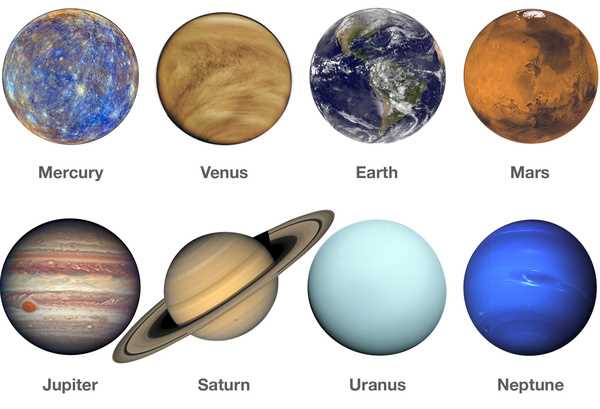
These materials include simple tasks such as matching each planet with its characteristics, ordering them by size or distance from the sun, or even creating a 3D model using printable templates. Such exercises promote memorization and help develop spatial awareness.
- Planet coloring sheets with corresponding fun facts.
- Planetary trivia quizzes to test knowledge.
- Diagram labeling to teach the order of planets.
Building Knowledge with Activity Pages
Crafting solar-related tasks allows children to visually engage with the subject matter. Printing out designs for solar exploration-themed board games or creating planetary “fact cards” can encourage group play and discussion, improving teamwork and communication skills.
Printable Charts and Visual Aids
Visual aids such as charts showing the relative sizes of planets, moons, and asteroids offer a clearer understanding of scale. A solar exploration map, which illustrates the path of the Voyager probes, makes the exploration feel tangible.
- Comparison charts for planet diameters and distances from the sun.
- Calendars marking significant space events, like rocket launches or moon phases.
By using printable resources, young learners gain a deeper appreciation of space, making complex concepts more digestible and fun.
Printable Learning Resources for Our Cosmic Neighborhood
For an engaging educational activity, consider providing your students or children with activities centered around our planetary companions. These activities can help them learn facts and explore the unique features of each celestial body. Use charts or worksheets that depict the characteristics of each planet, such as size, distance from the Sun, and composition, to deepen their understanding of space. Such exercises promote both curiosity and retention of scientific information.
If you’re looking to incorporate art with learning, you can offer templates for creating scaled models of each planet. These printable materials allow kids to color or cut out the planets and compare their sizes. Focus on producing high-quality templates with clear details, ensuring that the planets’ surface features, like craters and rings, are accurately represented.
Interactive maps that show the relative positions of the planets at any given time are another valuable tool. Create resources that let learners mark where each planet is in its orbit based on the month and year. This type of activity teaches kids how planetary movement works and encourages them to observe the skies.
For older learners, printable fact sheets about each planet, featuring advanced details such as their magnetic fields, rotation speeds, and moons, will provide a deeper dive into astronomy. These sheets should be visually appealing yet informative, with a balance of graphics and text that explains the science behind each celestial body’s characteristics.
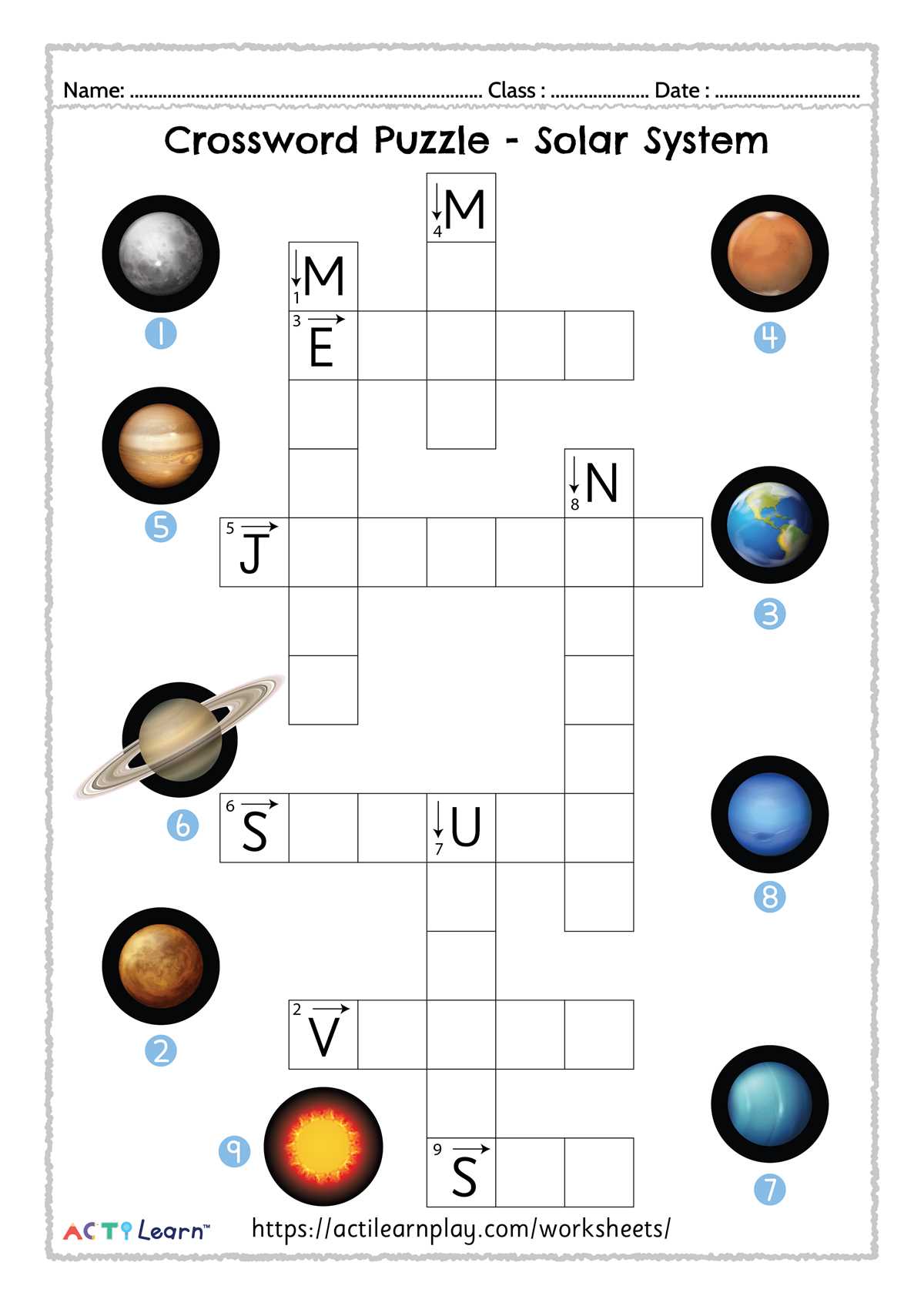
Printable games, such as crosswords or word searches with terms related to space exploration, also make learning more fun. This can serve as a great way to reinforce vocabulary while engaging kids with the concepts of gravitational forces, atmosphere, and planetary motion. Include interesting terms that might be less familiar to them, sparking questions and further exploration.
For educators, you can create a printable curriculum with suggested activities for different age groups, covering both theoretical concepts and hands-on projects. These printouts should guide learners through experiments, such as creating a model of craters or tracking planetary movements over time, ensuring they get both a creative and scientific perspective on the subject.